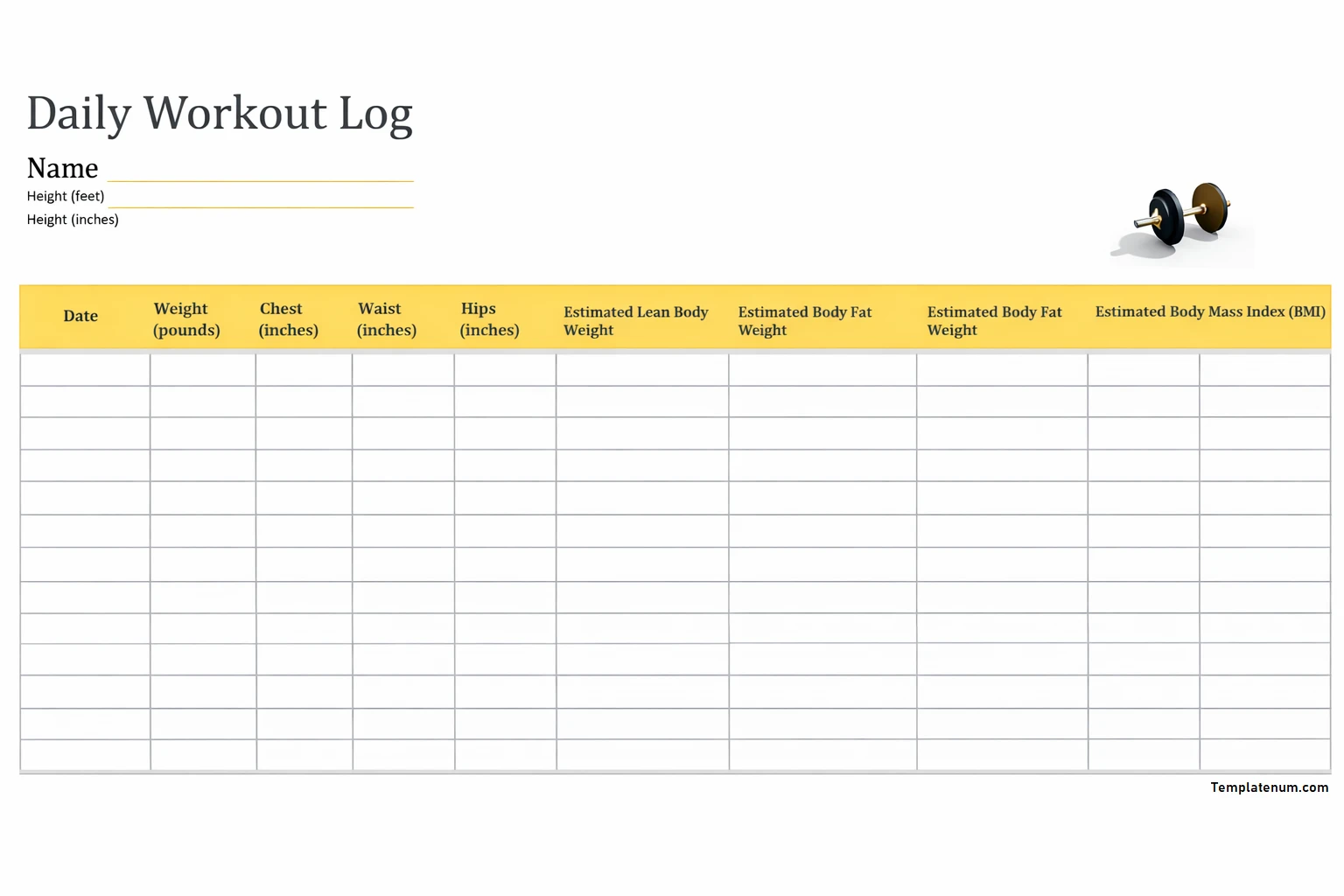
Embarking on a fitness journey can be a challenging yet rewarding experience. Whether you’re aiming to build strength, gain muscle, or simply improve your overall health, tracking your progress is essential for achieving your goals. One powerful tool that can help you stay on track and make consistent gains is a daily workout log.
By keeping a record of your workouts, you can ensure progressive overload, increase accountability, and stay motivated throughout your fitness journey.
What is a Daily Workout Log?
A daily workout log is a journal or digital document where you record details about each workout session you complete. This can include information such as the exercises you performed, the number of sets and reps, the weight lifted, the duration of your workout, and any notes about how you felt during the session.
By documenting these details consistently, you create a clear record of your efforts and accomplishments over time.
Why Use a Daily Workout Log?
There are several benefits to using a daily workout log as part of your fitness routine:
- Track Progress: By recording your workouts, you can easily see how far you’ve come and track your improvements over time.
- Ensure Progressive Overload: A workout log helps you ensure that you are progressively overloading your muscles, which is crucial for strength and muscle gains.
- Increase Accountability: Knowing that you have to record your workouts can help keep you accountable and motivated to stick to your training plan.
- Identify Patterns: By reviewing your workout log, you can identify patterns in your performance and make adjustments to optimize your training.
- Set Realistic Goals: Seeing your progress laid out in front of you can help you set realistic and achievable goals for the future.
- Adjust Your Training: If you notice a plateau or setback, your workout log can help you pinpoint the issue and make necessary changes to your training program.
Key Elements of a Daily Workout Log
When creating a daily workout log, there are several key elements to include:
- Date: Record the date of each workout session.
- Exercises: List the exercises you performed during the workout.
- Sets and Reps: Note the number of sets and reps completed for each exercise.
- Weight Lifted: Record the amount of weight lifted for each set.
- Duration: Note the total duration of your workout.
- Notes: Include any additional notes about the workout, such as how you felt or any modifications made.
How to Use a Daily Workout Log
Using a daily workout log is simple yet effective. Here are some steps to help you get started:
1. Choose Your Format
Decide whether you want to keep a physical journal or use a digital app to track your workouts. Choose a format that works best for you and is easy to maintain.
2. Set Specific Goals
Before starting your workout log, set specific goals that you want to achieve. This will give you direction and motivation to stay consistent with your training.
3. Record Each Workout
After each workout, take a few minutes to record the details in your workout log. Be consistent with your entries to ensure accurate tracking of your progress.
4. Review and Reflect
Regularly review your workout log to track your progress, identify areas for improvement, and celebrate your achievements. Use this information to adjust your training as needed.
5. Stay Consistent
Consistency is key when using a daily workout log. Make it a habit to record your workouts after each session to stay on top of your progress and hold yourself accountable.
6. Listen to Your Body
Pay attention to how your body responds to your workouts and make adjustments as needed. Your workout log can help you identify patterns and make informed decisions about your training.
7. Celebrate Your Wins
Don’t forget to celebrate your wins along the way. Whether it’s hitting a new personal best or sticking to your training plan for a month straight, acknowledge your progress and use it as motivation to keep pushing forward.
Tips for Successful Workout Logging
Here are some tips to help you make the most of your daily workout log:
- Be Detailed: Include as much information as possible in your workout log to accurately track your progress.
- Be Consistent: Make it a habit to record your workouts immediately after each session to avoid forgetting important details.
- Use it as a Motivational Tool: Your workout log can serve as a visual reminder of your hard work and dedication, motivating you to stay on track.
- Share Your Progress: Consider sharing your workout log with a friend or fitness coach for added accountability and support.
- Listen to Your Body: If you’re feeling fatigued or sore, don’t be afraid to take a rest day or adjust your training accordingly.
- Set Realistic Goals: Use your workout log to set achievable goals and track your progress towards them over time.
- Have Fun: Remember that fitness is a journey, not a destination. Enjoy the process and celebrate your accomplishments along the way.
By incorporating a daily workout log into your fitness routine, you can stay organized, motivated, and on track to reach your goals. Whether you’re a seasoned gym-goer or just starting, keeping a detailed record of your workouts can make a significant impact on your progress and overall success. So grab a journal or download a fitness app, and start logging your workouts today!
Daily Workout Log Template – DOWNLOAD
