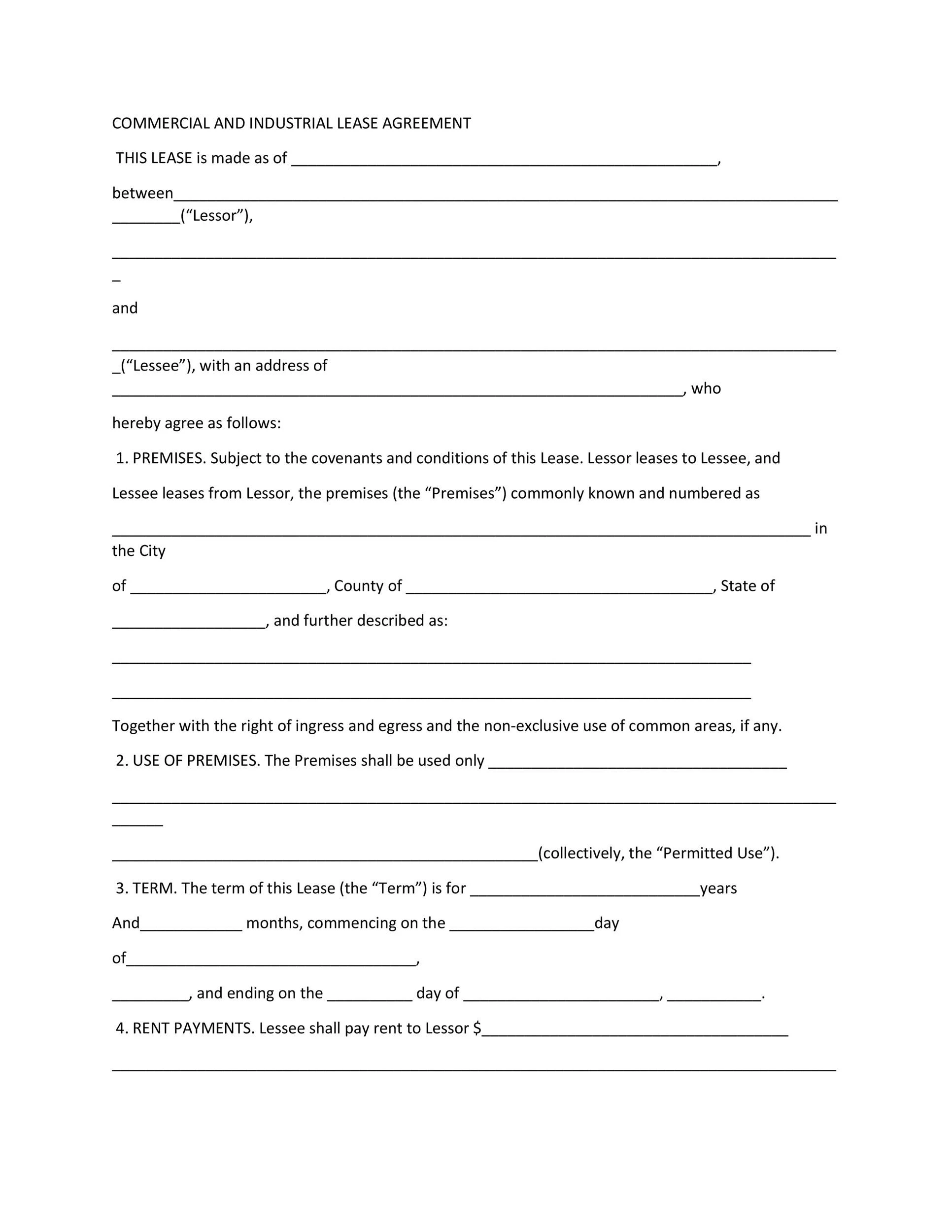
Are you a landlord looking to rent out commercial property to a business tenant? Or are you a business owner in need of office space, a retail store, or a warehouse for your operations? In either case, a commercial rental agreement is essential to establish a legally binding contract that outlines the terms and conditions of the rental arrangement between the landlord and the tenant.
A commercial rental agreement is a crucial document that sets out the rights and responsibilities of both parties involved in the rental of commercial property. It not only ensures that the tenant can use the premises for their business activities in exchange for rent but also protects the landlord’s investment and clarifies the obligations related to maintenance, use, and financial responsibilities.
What is a Commercial Rental Agreement?
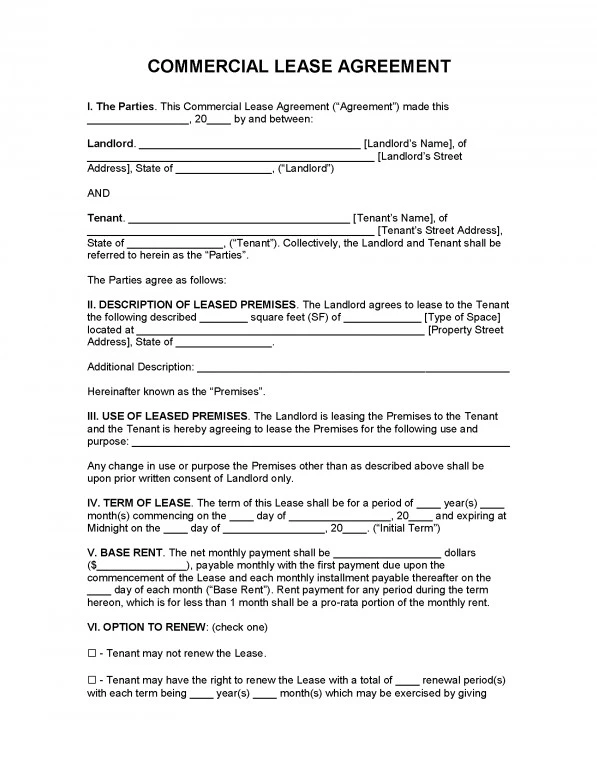
A commercial rental agreement is a legal contract between a landlord and a business tenant that governs the rental of commercial property. This agreement outlines the terms and conditions of the lease, including the rent amount, lease duration, permitted use of the property, maintenance responsibilities, and other important provisions to protect the interests of both parties.
1. Negotiating Terms
When drafting a commercial rental agreement, landlords and tenants have the flexibility to negotiate and customize the terms to meet their specific needs and requirements. This may include provisions related to rent adjustments, lease renewal options, subleasing rights, property improvements, and dispute resolution mechanisms.
2. Rental Payments
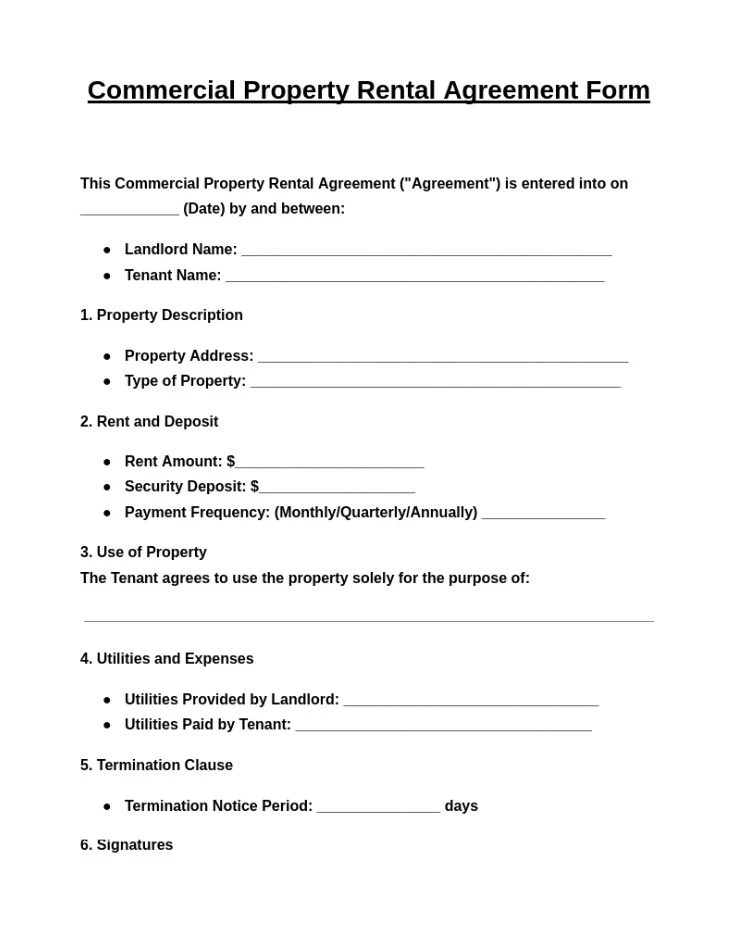
One of the key components of a commercial rental agreement is the specification of the rent amount, payment schedule, and any late fees or penalties for missed payments. Clear terms regarding rent increases, security deposits, and payment methods should be included to avoid any misunderstandings between the landlord and the tenant.
3. Property Use and Restrictions
The agreement should clearly outline the permitted use of the commercial space, including any restrictions on activities that may impact the property or violate zoning regulations. Landlords may specify rules regarding signage, noise levels, hours of operation, and other factors that could affect the property or neighboring tenants.
4. Maintenance and Repairs
Responsibilities for maintenance, repairs, and improvements to the property should be clearly defined in the commercial rental agreement. Landlords typically retain ownership of the property and are responsible for structural repairs, while tenants are often responsible for routine maintenance, cleaning, and minor repairs.
5. Lease Termination
The agreement should include provisions for lease termination, including notice periods, reasons for termination, and any penalties or consequences for early termination. Both parties should understand their rights and obligations in the event of lease termination to avoid disputes or legal issues.
6. Insurance and Liability
To protect against potential risks and liabilities, commercial rental agreements often require tenants to obtain liability insurance and property insurance to cover any damages or losses that may occur during the lease term. Landlords may also have insurance requirements to protect their interests in the property.
7. Compliance with Laws and Regulations
Both landlords and tenants are subject to various laws, regulations, and building codes that govern the use and maintenance of commercial properties. The commercial rental agreement should include provisions requiring compliance with all applicable laws and regulations to ensure the safety and legality of the property.
8. Dispute Resolution
In the event of disagreements or disputes between the landlord and the tenant, the commercial rental agreement should specify the procedures for resolving conflicts, such as mediation, arbitration, or litigation. Having clear dispute resolution mechanisms can help prevent costly legal battles and maintain a positive landlord-tenant relationship.
9. Renewal and Extension
Commercial rental agreements may include provisions for lease renewal or extension options to provide both parties with flexibility and security for future lease terms. Landlords and tenants can negotiate terms for lease extensions, rent adjustments, and other conditions to facilitate a smooth transition when the lease term expires.
Types of Commercial Rental Agreements
Commercial rental agreements can vary based on the type of commercial property being rented and the specific needs of the parties involved. Some common types of commercial rental agreements include:
- Triple Net Lease: In a triple net lease, the tenant is responsible for paying property taxes, insurance, and maintenance costs in addition to rent.
- Gross Lease: A gross lease includes a flat rent amount, and the landlord is responsible for all property expenses, including taxes, insurance, and maintenance.
- Percentage Lease: In a percentage lease, the tenant pays a base rent amount plus a percentage of their sales revenue, making it suitable for retail businesses.
- Short-Term Lease: Short-term leases are typically month-to-month or annual agreements that offer flexibility for tenants with uncertain business needs or temporary space requirements.
- Build-to-Suit Lease: A build-to-suit lease involves the construction of a custom-built property to meet the specific needs of the tenant, with the landlord financing and owning the property.
- Sublease Agreement: A sublease agreement allows a tenant to rent out a portion of their commercial space to another party, subject to the approval of the landlord.
Rules for Creating a Commercial Rental Agreement
When drafting a commercial rental agreement, landlords and tenants should consider the following rules to ensure a comprehensive and legally binding contract:
1. Include all essential terms and conditions of the lease, such as rent amount, lease duration, permitted use of the property, and maintenance responsibilities.
2. Clearly define the rights and obligations of both parties to avoid misunderstandings or disputes during the lease term.
3. Consult with legal professionals to ensure that the agreement complies with local laws and regulations governing commercial leases.
4. Customize the agreement to reflect the specific needs and preferences of both the landlord and the tenant, including provisions for rent adjustments, lease renewal options, and property improvements.
5. Review the agreement carefully before signing to verify that all terms are accurate, complete, and acceptable to both parties.
6. Keep detailed records of the commercial rental agreement, including any amendments, notices, or communications between the landlord and the tenant.
7. Monitor compliance with the terms of the agreement throughout the lease term and address any issues or violations promptly to maintain a positive landlord-tenant relationship.
How to Create a Commercial Rental Agreement
Creating a commercial rental agreement involves several steps to ensure that all essential terms and conditions are included and that the agreement is legally binding and enforceable:
1. Identify the parties involved: Begin by identifying the landlord, tenant, and any additional parties involved in the lease agreement, such as guarantors or co-signers.
2. Describe the property: Clearly describe the commercial property being rented, including the address, square footage, zoning classification, and any unique features or amenities.
3. Specify the lease terms: Outline the rent amount, payment schedule, lease duration, renewal options, security deposit requirements, and any other financial terms of the lease.
4. Define permitted use: Specify the permitted use of the property, including any restrictions on activities, signage, alterations, or subleasing.
5. Establish maintenance responsibilities: Clearly define the responsibilities for maintenance, repairs, improvements, and utilities, including who is responsible for each task or expense.
6. Include insurance requirements: Specify the insurance coverage required for both the tenant and the landlord, including liability insurance, property insurance, and any additional coverage needed.
7. Address compliance with laws: Include provisions requiring compliance with all applicable laws, regulations, building codes, and environmental requirements to ensure the property’s legal use.
8. Include dispute resolution mechanisms: Specify procedures for resolving disputes, disagreements, or breaches of the agreement, such as mediation, arbitration, or litigation.
9. Review and sign the agreement: Review the commercial rental agreement with legal counsel, negotiate any necessary changes, and have all parties sign the document to make it legally binding.
Conclusion
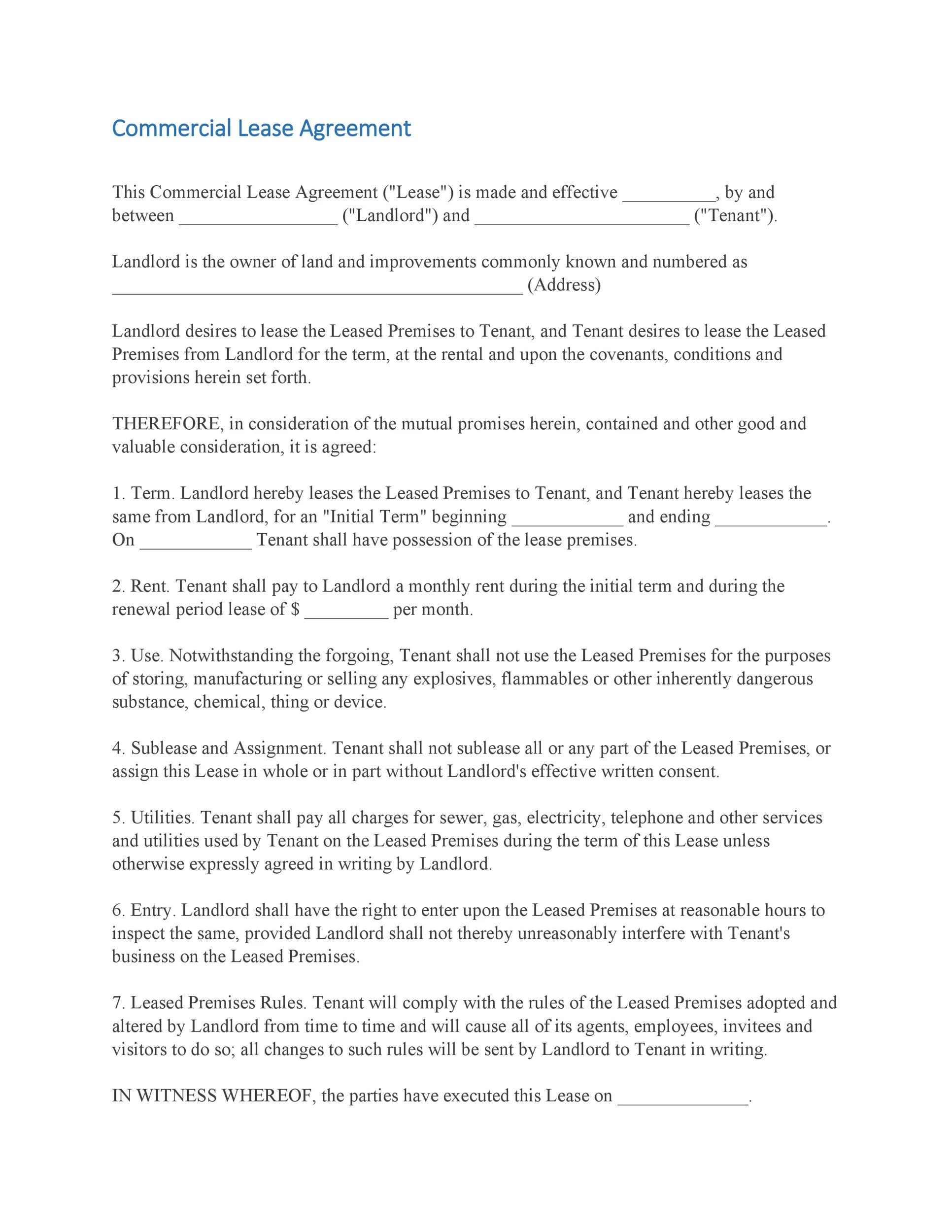
In summary, a commercial rental agreement is a vital document that establishes a legally binding contract between a landlord and a business tenant for renting commercial property. By outlining the terms and conditions of the lease, including rent, permitted use, maintenance responsibilities, and other key provisions, this agreement ensures that both parties understand their rights and obligations throughout the lease term. With proper negotiation, customization, and legal review, landlords and tenants can create a comprehensive and enforceable commercial rental agreement that protects their interests and fosters a successful landlord-tenant relationship.
Commercial Rental Agreement Template – Word
