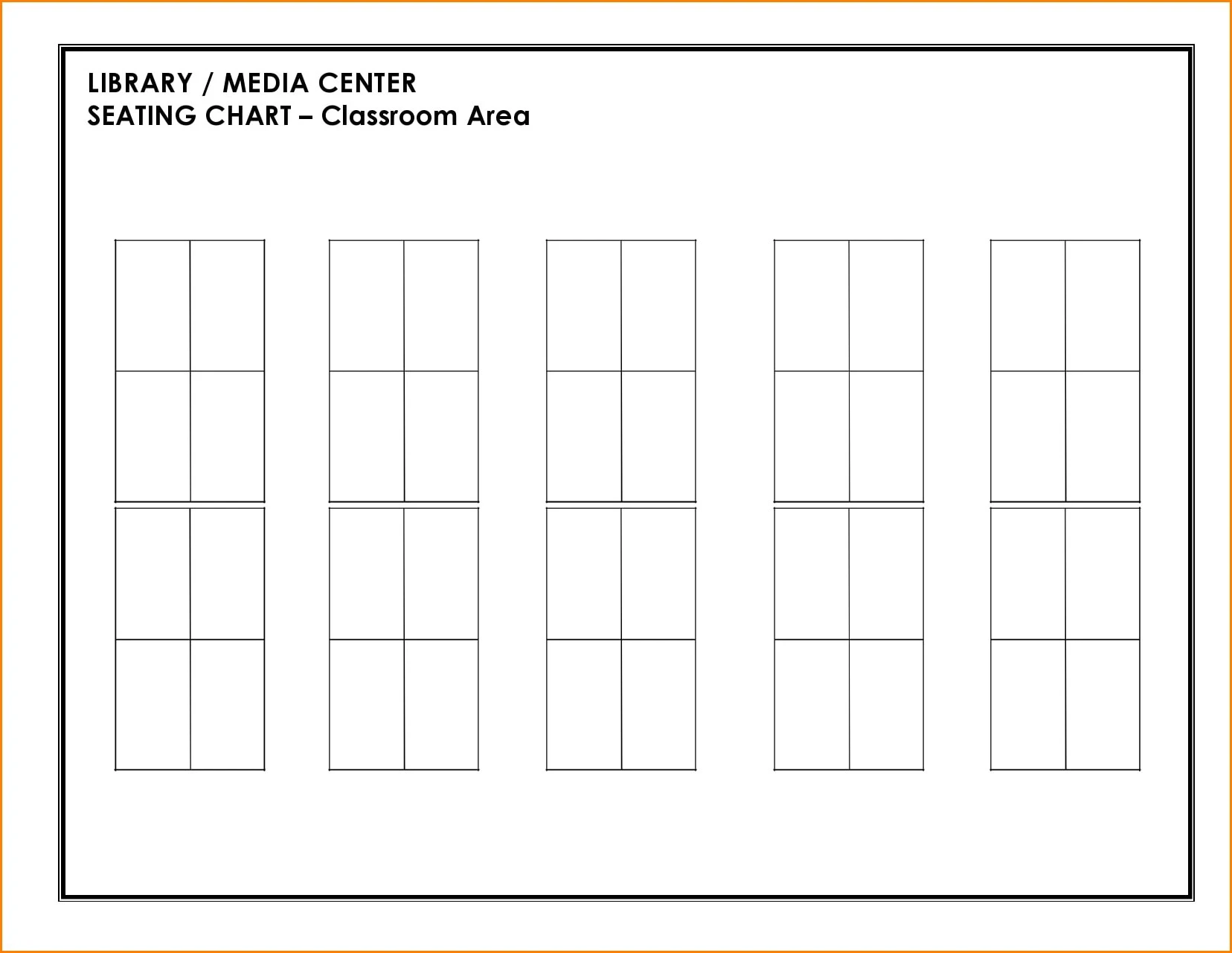
In a classroom setting, the arrangement of desks and chairs may seem like a mundane task, but it plays a crucial role in managing student behavior, reducing distractions, and creating a positive learning environment. A well-thought-out seating chart can have a significant impact on teacher-student interactions, student engagement, and overall classroom functionality. By strategically placing students, teachers can promote collaboration, accommodate special needs, and facilitate focused learning.
Let’s explore the benefits of classroom seating arrangements and how they can enhance the learning experience for both students and teachers.
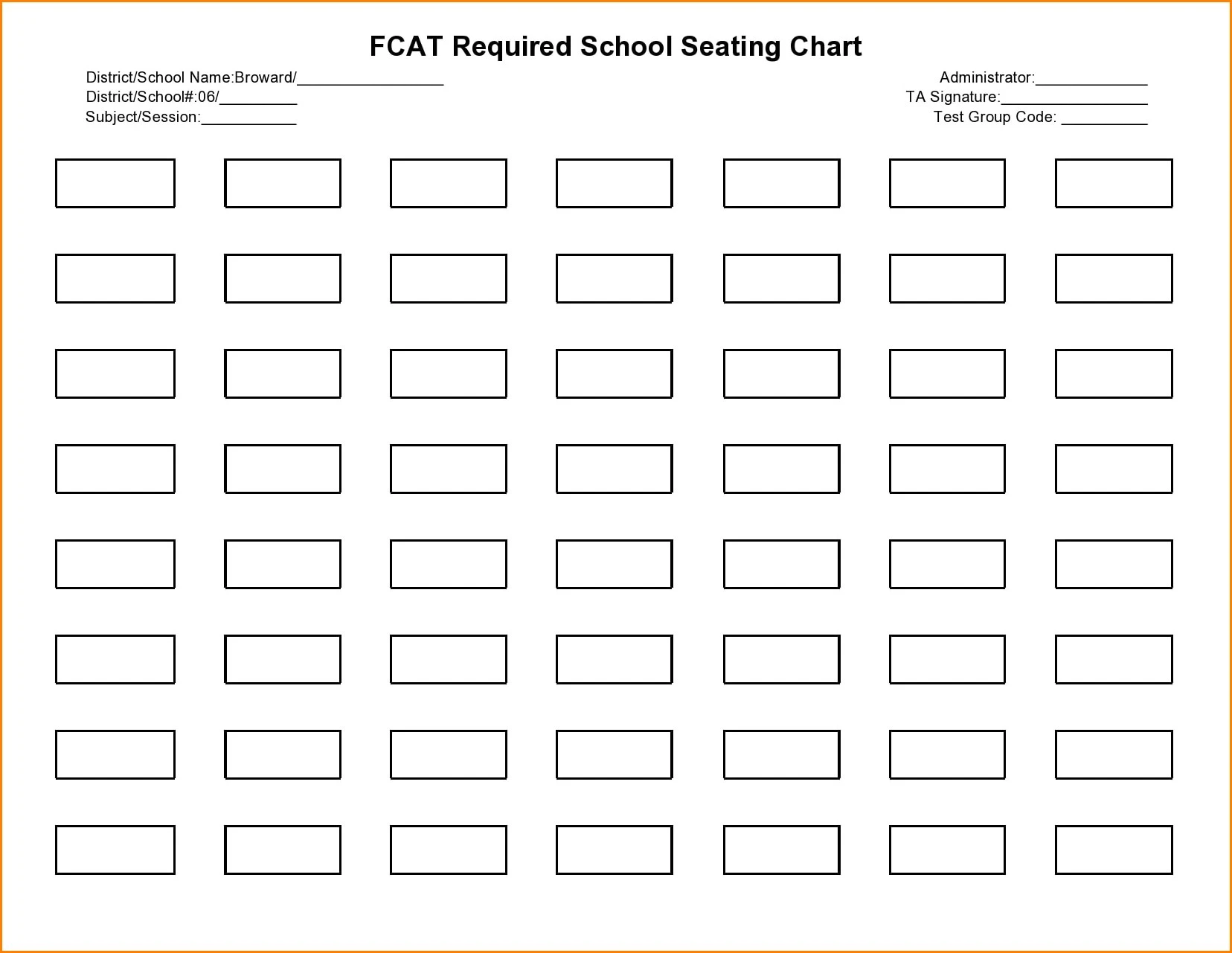
What is a Classroom Seating Chart?
A classroom seating chart is a visual representation of where each student will sit in the classroom. It is typically created by the teacher at the beginning of the school year or semester and may be adjusted as needed throughout the term.
The seating chart assigns specific seats to students, taking into account factors such as behavior, learning styles, and special needs. By carefully planning the seating arrangement, teachers can create a conducive learning environment that supports their teaching goals.
Why Classroom Seating Arrangements Matter?
The way students are seated in a classroom can have a significant impact on their behavior, engagement, and overall learning experience. Here are some reasons why classroom seating arrangements matter:
– Managing Student Behavior: A well-designed seating chart can help prevent behavioral issues by separating students who may distract each other or create disruptions.
– Minimizing Distractions: By strategically placing students, teachers can reduce distractions and create a focused learning environment.
– Fostering a Positive Learning Environment: Seating arrangements can promote positive interactions among students, encourage collaboration, and enhance the overall classroom atmosphere.
How Does Seating Arrangement Affect Learning?
The seating arrangement in a classroom can influence how students interact with each other, engage with the material, and participate in class activities. Here are some ways seating arrangements can affect learning:
– Proximity to the Teacher: Students seated closer to the teacher may receive more individualized attention and support.
– Peer Interactions: Seating students in groups or pairs can facilitate collaborative work and encourage peer-to-peer learning.
– Accommodating Special Needs: By considering the needs of students with disabilities or learning differences, teachers can create a supportive environment that allows all students to thrive.
– Promoting Focus: Strategic seating arrangements can help students stay focused on the lesson and minimize distractions.
– Encouraging Participation: Seating students in a way that encourages participation can boost engagement and create a more dynamic learning environment.
How to Arrange Classroom Seats
Creating an effective seating chart requires careful planning and consideration of various factors. Here are some tips for arranging classroom seats:
- Observe Student Interactions: Pay attention to how students interact with each other and consider grouping students based on their social dynamics.
- Consider Student Needs: Take into account any special needs or accommodations that students may require when arranging seats.
- Rotate Seating Assignments: Periodically change seating assignments to prevent complacency and encourage new interactions.
- Create Flexible Seating Options: Provide a variety of seating options, such as standing desks or bean bags, to accommodate different learning styles.
- Use Visual Cues: Label desks or assign specific colors to seats to help students easily locate their assigned spots.
Tips for Implementing Different Seat Configurations in the Classroom
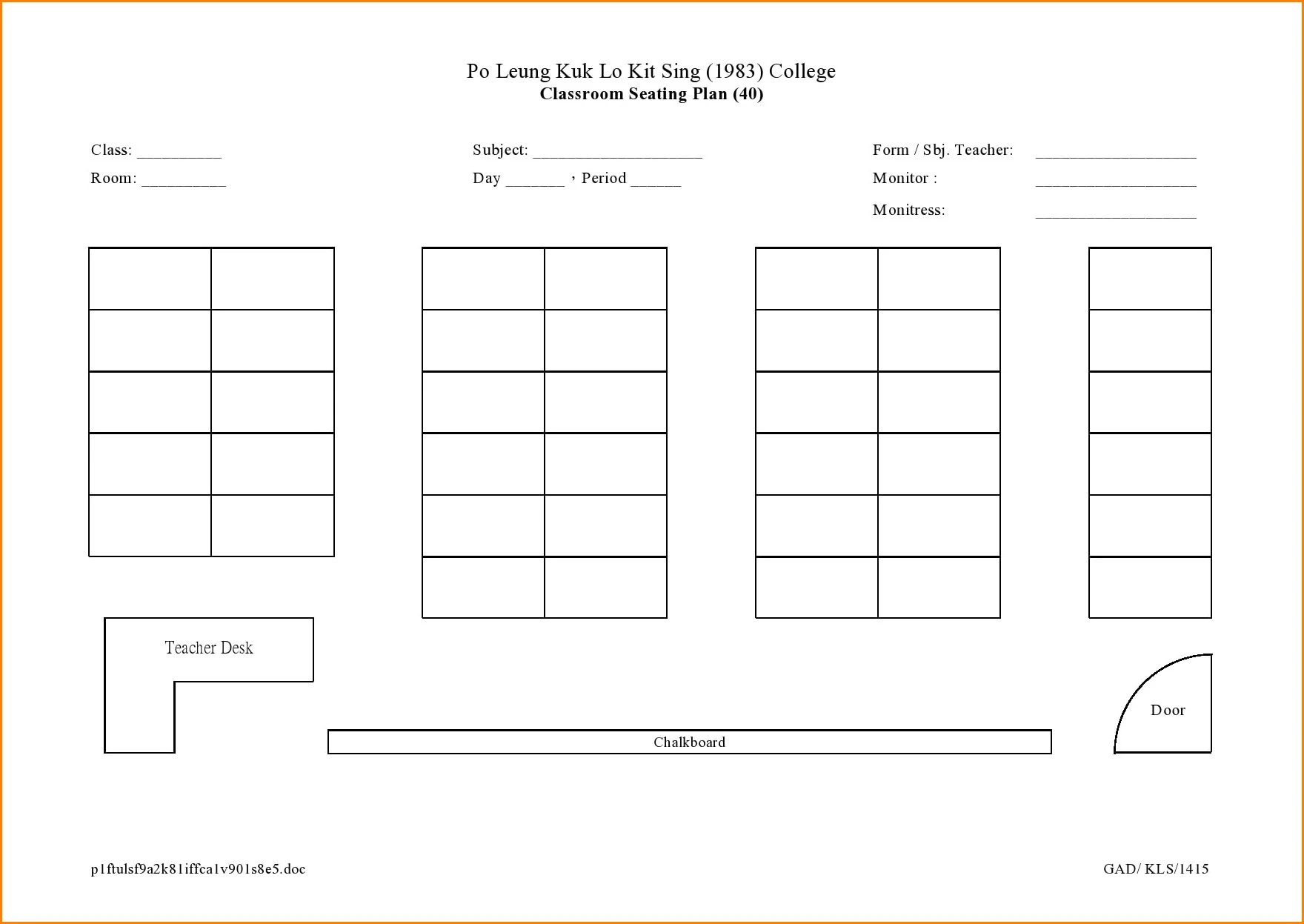
There are several seat configurations that teachers can use to promote different learning outcomes and classroom dynamics. Here are some common seat arrangements and their benefits:
– Traditional Rows: Suitable for lectures and individual work, this arrangement promotes focus and minimizes distractions.
– Clusters: Ideal for group work and collaborative activities, clusters encourage communication, teamwork, and peer-to-peer learning.
– U-Shape: This configuration is great for discussions and presentations, as it allows all students to see each other and the teacher.
– Horseshoe: Similar to the U-shape, the horseshoe arrangement promotes interaction and participation in large group discussions.
– Circle: Encourages equal participation and allows for open communication among all students.
– Flexible Seating: Incorporating a mix of seating options, such as standing desks, bean bags, or floor cushions, can accommodate different learning preferences and promote comfort and engagement.
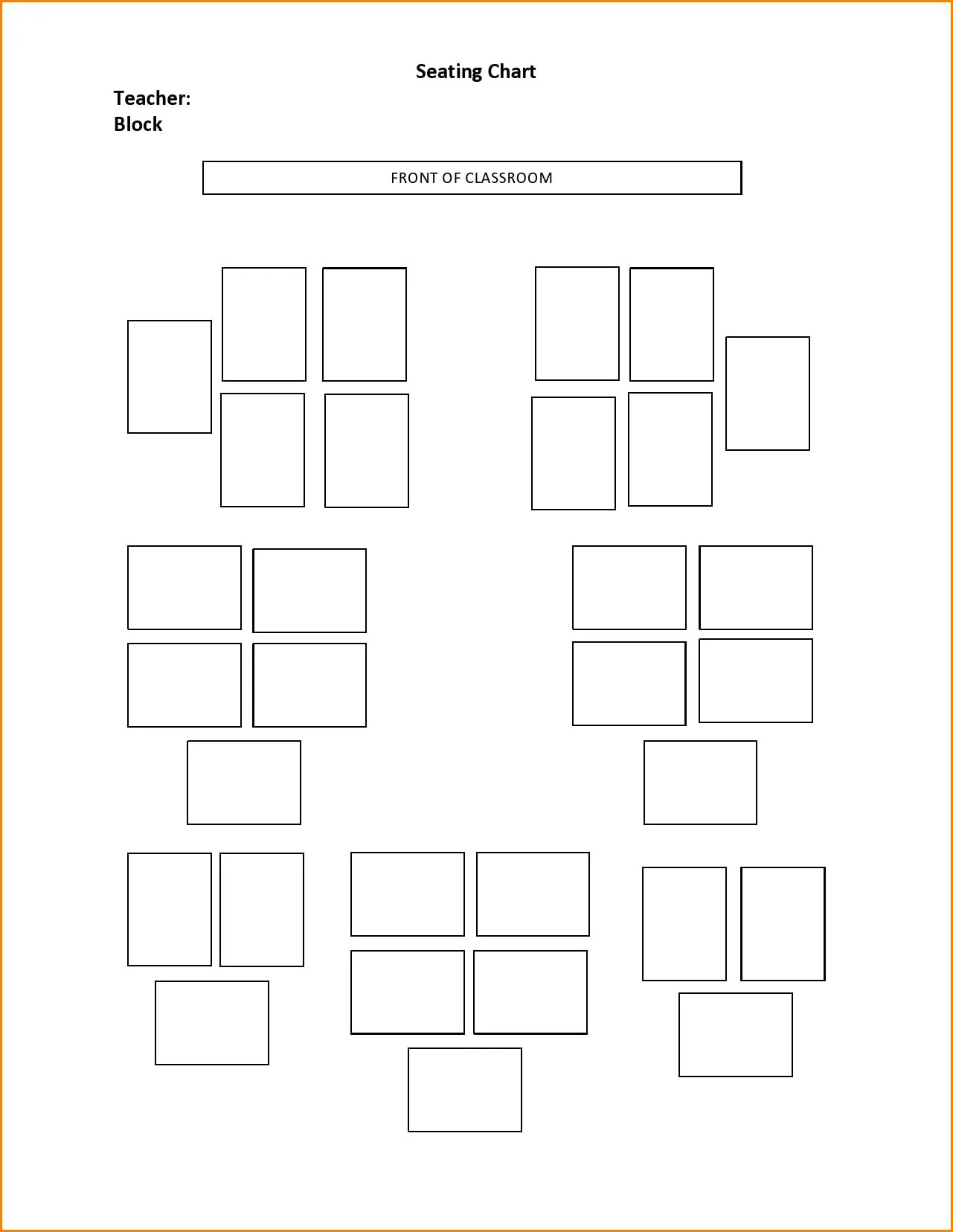
In conclusion, a well-designed seating chart is an essential tool for effective classroom management and can significantly impact student behavior, engagement, and learning outcomes. By strategically arranging seats, teachers can create a positive and productive learning environment that supports their teaching goals and enhances the overall classroom experience. By considering factors such as student needs, social dynamics, and learning styles, teachers can create a seating arrangement that fosters collaboration, minimizes distractions, and promotes student success.
Classroom Seating Chart Template – Word
