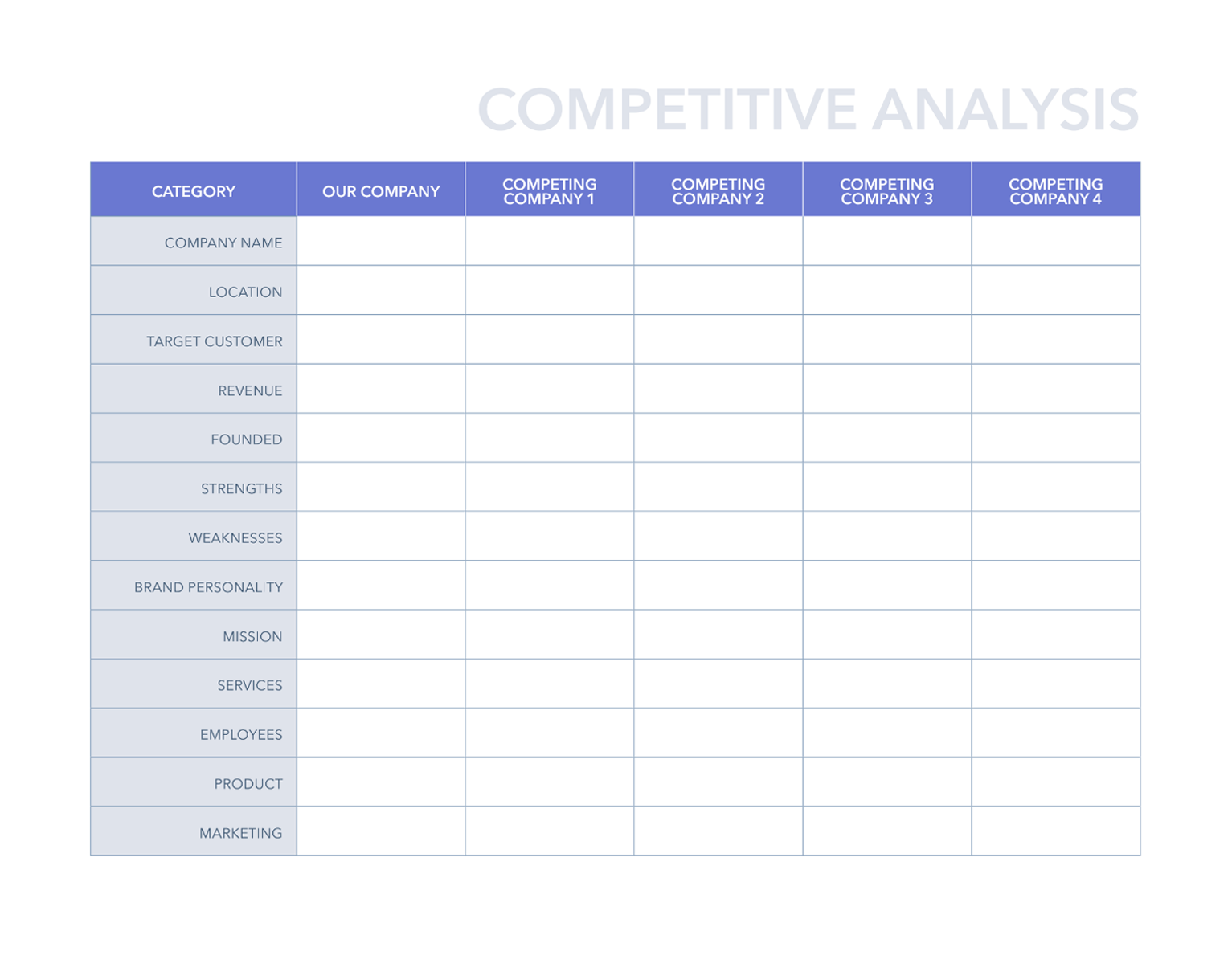
Competitor analysis is a crucial aspect of strategic planning for any business. By evaluating the strengths and weaknesses of competitors in the market, companies can gain valuable insights that help them identify market gaps, discover opportunities, predict competitor actions, and develop proactive strategies to gain a competitive advantage.
This analysis not only supports strategic decision-making but also informs product development, pricing strategies, and marketing campaigns to stay ahead of the competition.
What is Competitor Analysis?
Competitor analysis is the process of identifying and evaluating the strengths and weaknesses of competitors in the market. It involves gathering information about competitors’ products, services, pricing strategies, marketing tactics, and market share to understand their position in the industry.
By analyzing competitors, businesses can assess their own strengths and weaknesses relative to the competition and identify areas where they can improve to gain a competitive edge.
Why is Competitor Analysis Important?
Competitor analysis plays a crucial role in strategic planning and decision-making for businesses. Here are some reasons why competitor analysis is important:
- Identifying market gaps: By analyzing competitors, businesses can identify gaps in the market where they can offer unique products or services to fill a need that competitors are not addressing.
- Discovering opportunities: Competitor analysis helps businesses identify new opportunities for growth, expansion, or innovation by understanding what competitors are doing well and where they may be falling short.
- Predicting competitor actions: By monitoring competitors’ strategies and actions, businesses can anticipate their next moves and prepare proactive responses to stay ahead in the market.
- Developing proactive strategies: Competitor analysis enables businesses to develop proactive strategies to differentiate themselves from the competition, attract customers, and build a strong brand presence.
- Gaining a competitive advantage: By understanding competitors’ strengths and weaknesses, businesses can leverage their own strengths and improve upon weaknesses to gain a competitive advantage in the market.
What to Include in Competitor Analysis?
When conducting competitor analysis, it is important to gather comprehensive information about competitors to make informed decisions. Here are some key elements to include in your competitor analysis:
- Competitors’ products and services: Evaluate the quality, features, and pricing of competitors’ products and services to understand their competitive advantages.
- Competitors’ marketing strategies: Analyze competitors’ advertising, promotions, branding, and messaging to identify their target audience and positioning in the market.
- Competitors’ strengths and weaknesses: Identify areas where competitors excel and where they may be lacking to pinpoint opportunities for your business.
- Competitors’ market share: Determine how much of the market competitors hold and how this may impact your business’s market position.
- Competitors’ customer base: Understand who your competitors are targeting and how they are attracting and retaining customers in the market.
How to Conduct Competitor Analysis?
To conduct effective competitor analysis, follow these steps:
1. Identify your key competitors in the market and gather information about their products, services, pricing, and marketing strategies.
2. Analyze competitors’ strengths and weaknesses to identify areas where you can differentiate your business and gain a competitive advantage.
3. Monitor competitors’ actions and track changes in the market to anticipate their next moves and prepare proactive strategies.
4. Use competitive intelligence tools and resources to gather data and insights about competitors to inform your strategic decision-making.
5. Regularly review and update your competitor analysis to stay current with market trends and changes in the competitive landscape.
6. Use the information gathered from competitor analysis to develop strategic plans, set goals, and make informed decisions that will help your business succeed in the market.
Tips for Successful Competitor Analysis
Here are some tips to ensure successful competitor analysis for your business:
- Stay objective: Avoid biases and assumptions when analyzing competitors to make objective decisions based on data and facts.
- Focus on key competitors: Identify the most relevant competitors in your industry to prioritize your analysis and resources effectively.
- Keep track of changes: Monitor competitors regularly and track changes in the market to stay ahead of the competition and adapt your strategies accordingly.
- Collaborate with your team: Involve key stakeholders in the competitor analysis process to gain diverse perspectives and insights for informed decision-making.
- Use technology: Leverage competitive intelligence tools and software to gather data, analyze trends, and derive valuable insights about competitors in the market.
- Stay agile: Be prepared to adapt and pivot your strategies based on new information and developments in the market to maintain a competitive edge.
Competitor analysis is a valuable tool for businesses to gain a deeper understanding of the competitive landscape, identify opportunities, and develop strategies to stay ahead in the market. By conducting thorough competitor analysis and using the insights gained to inform strategic decision-making, businesses can position themselves for success and achieve sustainable growth in an increasingly competitive environment.
Competitor Analysis Template – Free Download
