Taking notes in class or during study sessions is a common practice for students to retain information, but not all note-taking methods are created equal. One effective method that has gained popularity is the Cornell Note-taking System. Developed by Walter Pauk, an education professor at Cornell University, this structured system provides a framework for organizing and reviewing notes to enhance learning and information retention.
In this article, we will explore the benefits of using Cornell notes and how students can maximize their effectiveness.
What are Cornell Notes What For Teaching?
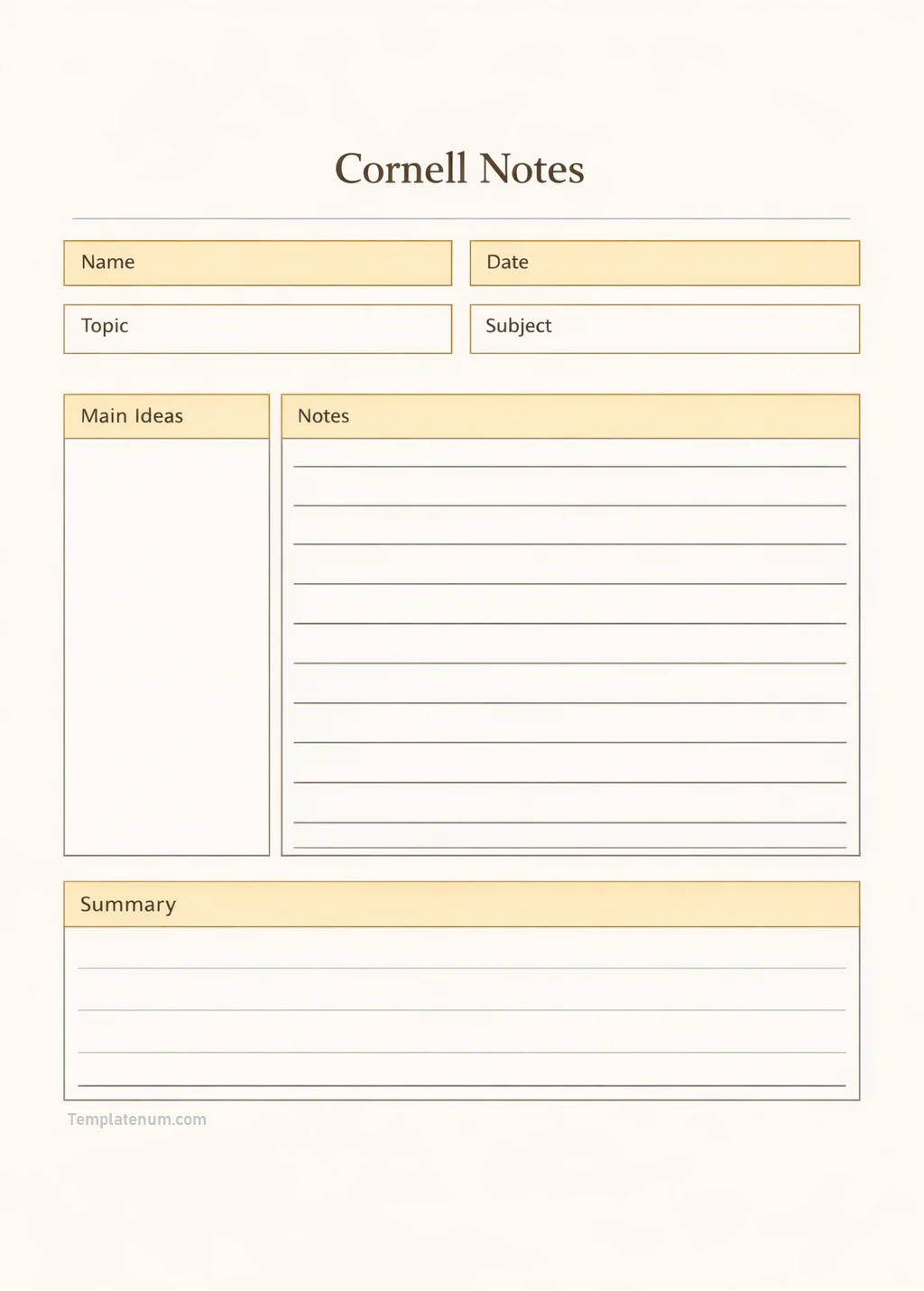
The Cornell Note-taking System is a structured method for taking, organizing, and reviewing notes that can help students improve their learning and retention of information. The method divides a page into sections for note-taking, cue questions, and summaries, encouraging active engagement with the material. By providing a clear structure for organizing information, Cornell notes make it easier for students to review and study effectively.
When using the Cornell Note-taking System, students divide their paper into three sections: a narrow column on the left for cues or questions, a larger area on the right for notes, and a summary section at the bottom of the page. This layout encourages students to engage with the material actively by summarizing key points, asking questions, and reviewing their notes regularly.
How Effective is The Cornell Note Taking System?
Research has shown that the Cornell Note-taking System can be highly effective in improving learning outcomes. By providing a structured framework for organizing information, Cornell notes help students focus on key concepts, identify important information, and make connections between different ideas. This active engagement with the material can lead to better comprehension and retention of information.
One of the key benefits of the Cornell Note-taking System is its emphasis on active learning. By encouraging students to summarize information, ask questions, and review their notes regularly, the method promotes deeper understanding and long-term retention. Additionally, the organized layout of Cornell notes makes it easier for students to review and study their notes efficiently.
When to Use The Cornell Method?
The Cornell Note-taking System can be used in a variety of settings, including lectures, study sessions, and readings. This versatile method is particularly useful for students who want to improve their note-taking skills and enhance their learning outcomes. Whether you are a high school student, college student, or lifelong learner, the Cornell Note-taking System can help you organize and review information effectively.
How Students Use The Cornell Note Taking System
Students can use the Cornell Note-taking System in a few simple steps to maximize its effectiveness. First, divide your paper into three sections: a narrow column on the left for cues or questions, a larger area on the right for notes, and a summary section at the bottom. During class or study sessions, take detailed notes in the right-hand section while leaving space in the cue column for questions or key points.
After class or study sessions, review your notes and summarize the main ideas in the bottom section. Use the cue column to create questions or prompts that will help you recall the information later. Regularly review your Cornell notes to reinforce your learning and make connections between different concepts.
- Stay organized: Keep your notes neat and well-structured to make reviewing easier.
- Engage actively: Summarize key points, ask questions, and connect ideas while taking notes.
- Review regularly: Set aside time to review your notes and quiz yourself on the material.
- Customize your system: Adapt the Cornell Note-taking System to suit your learning style and preferences.
- Seek feedback: Share your Cornell notes with peers or teachers for input and suggestions.
- Experiment with digital tools: Explore digital note-taking apps that offer features to enhance your Cornell notes.
- Practice consistency: Make Cornell note-taking a regular habit to improve your study skills over time.
Tips to Take Better Cornell Notes
To make the most of the Cornell Note-taking System, consider the following tips:
- Use abbreviations: Develop a shorthand system to speed up your note-taking process.
- Highlight key points: Use colors or symbols to emphasize important information in your notes.
- Stay focused: Pay attention to the main ideas and key concepts during lectures or readings.
- Review and revise: Regularly review and revise your Cornell notes to reinforce your learning.
- Stay organized: Keep your notes in a dedicated notebook or folder to stay organized.
- Practice active listening: Engage actively with the material by asking questions and making connections.
- Experiment with different formats: Explore different ways to format your Cornell notes to find what works best for you.
In conclusion, the Cornell Note-taking System is an effective method for improving learning outcomes and information retention. By providing a structured framework for organizing and reviewing notes, this method can help students engage actively with the material and enhance their comprehension. Whether you are a student looking to improve your study skills or a lifelong learner seeking to enhance your learning experience, consider using the Cornell Note-taking System to maximize your academic success.
Cornell Notes Template – Download
