When a dispute arises between parties, the first step in attempting to resolve it amicably is often through a demand letter.
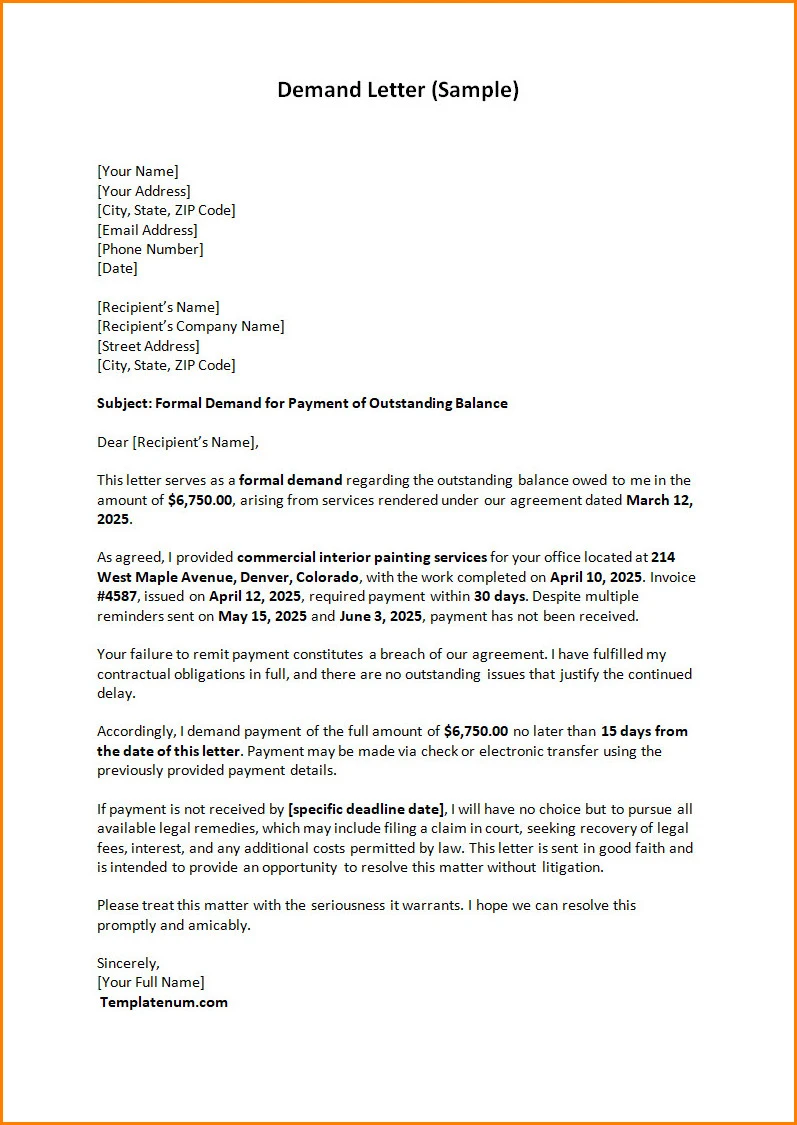
This formal communication is a crucial tool that can help parties avoid costly litigation and reach a settlement. By clearly outlining the grievance and stating the desired resolution, a demand letter sets the stage for further negotiations and can demonstrate a party’s seriousness in seeking a resolution.
What is a Demand Letter?
A demand letter is a written communication from one party to another, formally notifying them of a dispute and requesting specific actions to resolve it. These actions can include paying a sum of money, fulfilling a contract, or taking any other necessary steps to address the issue at hand.
Demand letters serve as a formal record of the grievance and provide a final opportunity for pre-litigation negotiation.
Why Send a Demand Letter?
Sending a demand letter can be highly beneficial for several reasons.
- Firstly, it establishes a clear timeline for resolving the dispute, giving the recipient a specified period to respond and take appropriate actions.
- Additionally, demand letters can help parties avoid the uncertainties and expenses of going to court by providing a structured platform for negotiation. By outlining the specific issues and desired outcomes, demand letters can facilitate a more focused discussion between the parties.
What to Include in a Demand Letter?
When drafting a demand letter, it is essential to include certain key components to make it effective. These elements typically include:
Description of the Dispute
A detailed description of the dispute, including the nature of the issue, relevant facts, and any actions or omissions that have led to the grievance. Providing a clear and concise overview of the problem can help the recipient understand the situation and determine the appropriate course of action.
Requested Actions
Specify the actions or remedies that the sender expects the recipient to take to resolve the issue. Whether it involves payment, performance of a contract, cessation of certain actions, or any other specific actions, clearly outlining the requested actions can help avoid confusion and set clear expectations for the recipient.
Timeline for Response
Set a reasonable deadline for the recipient to respond and take necessary actions. Establishing a specific timeframe for a response can help expedite the resolution process, prevent unnecessary delays, and demonstrate the sender’s seriousness in seeking a timely resolution.
Consequences of Non-Compliance
Clearly state the potential consequences if the recipient fails to address the issues outlined in the demand letter. Whether it involves further legal action, financial penalties, termination of contracts, or any other repercussions, outlining the consequences of non-compliance can encourage the recipient to take the necessary actions to resolve the dispute.
Contact Information
Provide your contact details for further communication and negotiation. Including your name, address, phone number, and email address can facilitate ongoing discussions, clarify any doubts or questions, and ensure that the recipient can easily reach out for further information or clarification.
How to Draft an Effective Demand Letter?
When drafting a demand letter, it is essential to follow certain guidelines to ensure its effectiveness. Here are some tips for successfully crafting a compelling demand letter:
Be Clear and Concise
Clearly state the facts of the dispute and the desired outcome concisely and straightforwardly. Avoid unnecessary legal jargon or complex language that may confuse the recipient. By presenting the information clearly and concisely, you can make it easier for the recipient to understand the issues at hand and respond accordingly.
Use Professional Language
Keep the tone of the demand letter professional and courteous, even if the dispute is contentious. Maintaining a respectful demeanor can help facilitate productive negotiations and create a positive atmosphere for resolving. Avoid using aggressive or confrontational language that may escalate tensions and hinder the negotiation process.
Provide Supporting Documentation
If applicable, include relevant documents, contracts, or evidence to support your claims and strengthen your position. Providing supporting documentation can help the recipient understand the basis of your grievance, validate your claims, and increase the credibility of your demands. Ensure that the documentation is clear, relevant, and organized for easy reference.
Offer a Resolution Path
Propose a clear path to resolution in the demand letter, whether it involves payment, contract fulfillment, cessation of certain actions, or any other specific actions. By offering a potential solution to the dispute, you can guide the recipient towards a mutually agreeable resolution and facilitate the negotiation process. Clearly outlining the steps to resolution can help streamline the process and increase the chances of settling.
Seek Legal Advice if Needed
If you are unsure about the legal aspects of drafting a demand letter or need guidance on the appropriate course of action, consider seeking advice from a legal professional. A lawyer can provide valuable insights, ensure that your demand letter complies with legal requirements, and offer guidance on the best strategies for resolving the dispute. Legal advice can help you navigate complex legal issues, protect your rights, and increase the effectiveness of your demand letter.
Follow Up Appropriately
After sending the demand letter, it is essential to follow up with the recipient within the specified timeline to confirm receipt, discuss potential next steps, and address any questions or concerns. Maintaining open communication can help keep the negotiation process on track, prevent misunderstandings, and expedite the resolution of the dispute. By following up appropriately, you can demonstrate your commitment to resolving the issue and increase the likelihood of reaching a favorable outcome.
Tips for Successful Negotiation
Successful negotiation is crucial in resolving disputes and reaching mutually beneficial agreements. Here are some tips for successful negotiation:
1. Understand Your Goals
Before entering into negotiations, clarify your goals, priorities, and desired outcomes. Understanding what you hope to achieve can help you stay focused during negotiations and make informed decisions that align with your objectives.
2. Listen Actively
Effective negotiation involves active listening and understanding the other party’s perspective. By listening attentively to their concerns, interests, and priorities, you can identify common ground, build rapport, and find creative solutions that meet both parties’ needs.
3. Be Flexible
Flexibility is key in negotiation, as it allows you to adapt to changing circumstances, explore different options, and find mutually acceptable solutions. Being open to compromise, considering alternative proposals, and adjusting your approach can help overcome obstacles and move towards a successful resolution.
4. Maintain a Positive Relationship
Building a positive relationship with the other party can enhance communication, foster trust, and facilitate constructive negotiations. By approaching the negotiation process with respect, professionalism, and a collaborative attitude, you can create a conducive environment for
- Establishing Trust. Building trust with the other party by demonstrating honesty, integrity, and reliability can help create a foundation for successful negotiations.
- Effective Communication. Clear and open communication is essential in negotiation to ensure that both parties understand each other’s positions, interests, and concerns.
- Seek Win-Win Solutions. Aim for solutions that benefit both parties and address the underlying interests and needs of each side, rather than focusing solely on individual demands.
- Stay Calm and Professional. Maintaining a calm and composed demeanor, even in the face of challenges or disagreements, can help create a positive atmosphere for negotiation and prevent conflicts from escalating.
- Consider Creative Solutions. Think creatively and explore innovative solutions that may not be immediately obvious, to find options that meet both parties’ needs and interests.
- Seek Mediation if Necessary. If negotiations reach an impasse, consider engaging a neutral mediator to facilitate discussions, help parties find common ground, and reach a mutually acceptable resolution.
5. Focus on Interests, Not Positions
During negotiations, focus on underlying interests and needs, rather than rigid positions or demands. By understanding the reasons behind each party’s stance, you can find creative solutions that address the root causes of the dispute and lead to more sustainable agreements.
6. Maintain Patience and Persistence
Negotiation can be a complex and time-consuming process, requiring patience, persistence, and perseverance. Stay committed to finding a resolution, even in the face of challenges or setbacks, and remain flexible in your approach to overcome obstacles and reach a successful outcome.
Free Demand Letter Template
A Demand Letter helps you formally request payment, action, or resolution clearly and professionally. It provides a structured format for outlining the issue, stating expectations, and setting a deadline, helping communicate seriousness while maintaining professionalism. With a well-prepared template, you can assert your rights effectively and encourage a timely resolution before escalating further.
Download our Demand Letter Template today to communicate your demands clearly and take confident action.
Demand Letter Template – DOWNLOAD
