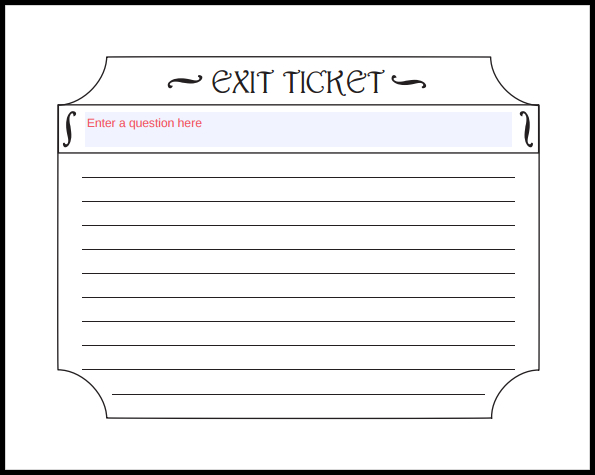
In the world of education, it’s crucial for teachers to continuously assess their students’ understanding and engagement to ensure effective learning outcomes. One tool that has gained popularity in recent years for this purpose is the exit ticket.
An exit ticket is a brief assessment given at the end of a lesson or class period to gauge how well students have grasped the material and to identify any areas where they may be struggling. This tool not only provides valuable feedback to teachers but also offers students a chance to reflect on their learning and provide input to their instructors.
Let’s explore the benefits and types of exit tickets, steps for creating effective ones, and when and how often you should use them in your classroom.
What is an Exit Ticket?
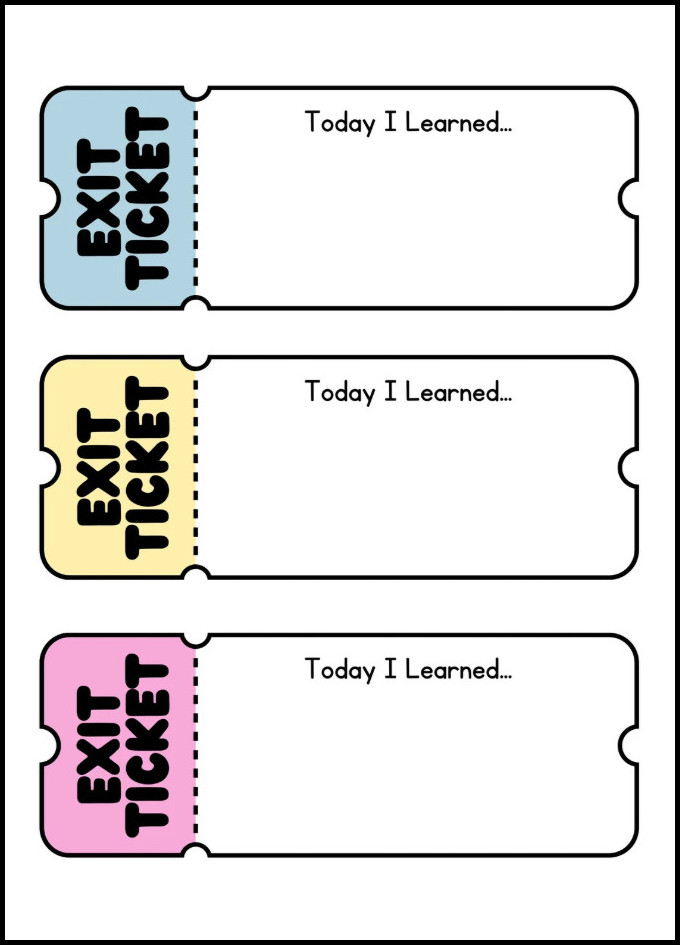
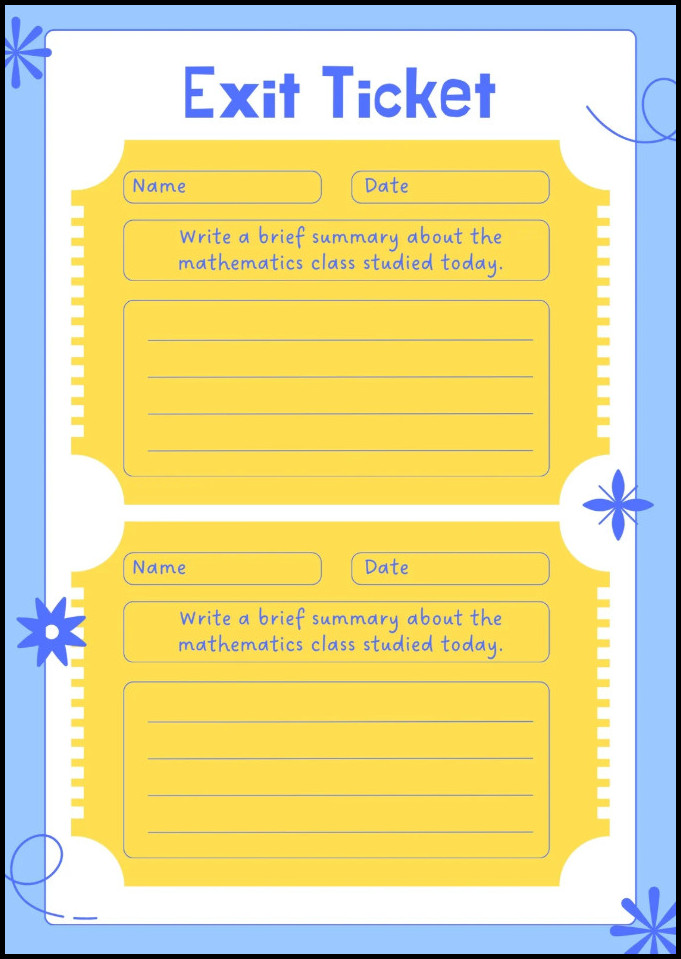
An exit ticket is a form of formative assessment that allows teachers to quickly gauge students’ understanding of the material covered in a lesson. It typically consists of a few short questions or prompts related to the content that was just taught. Exit tickets can take various forms, such as multiple-choice questions, short answer responses, reflections, or even drawings. The key is that they are meant to be completed by students independently and within a short timeframe, usually at the end of a class period.
Exit tickets serve as a valuable tool for both teachers and students. For educators, they provide real-time feedback on how well students have grasped the lesson, allowing for adjustments in instruction if necessary. For students, exit tickets offer a chance to reflect on their learning, identify areas of confusion, and provide feedback to their teachers. This feedback loop is essential for promoting student engagement and achievement in the classroom.
10 Benefits of Using Exit Tickets in The Classroom
Exit tickets offer numerous benefits to both teachers and students. Some of the key advantages of using exit tickets in the classroom include:
- Assessment of Understanding: Exit tickets provide a quick and efficient way to assess students’ comprehension of the material.
- Identifying Areas of Difficulty: They help teachers pinpoint specific concepts or skills that students may be struggling with.
- Feedback for Teachers: Exit tickets offer valuable feedback to teachers on the effectiveness of their instruction.
- Student Reflection: They encourage students to reflect on their learning and identify areas for improvement.
- Engagement: Exit tickets can help maintain student engagement and focus until the end of the lesson.
- Personalized Instruction: The feedback from exit tickets can inform personalized instruction based on individual student needs.
- Formative Assessment: Exit tickets are a form of formative assessment that can guide future lesson planning.
- Accountability: They hold students accountable for their learning and encourage active participation.
- Enhanced Communication: Exit tickets facilitate communication between teachers and students, fostering a supportive learning environment.
- Continuous Improvement: By using exit tickets regularly, teachers can continuously improve their teaching practices based on student feedback.
How Exit Tickets Support Differentiated Instruction
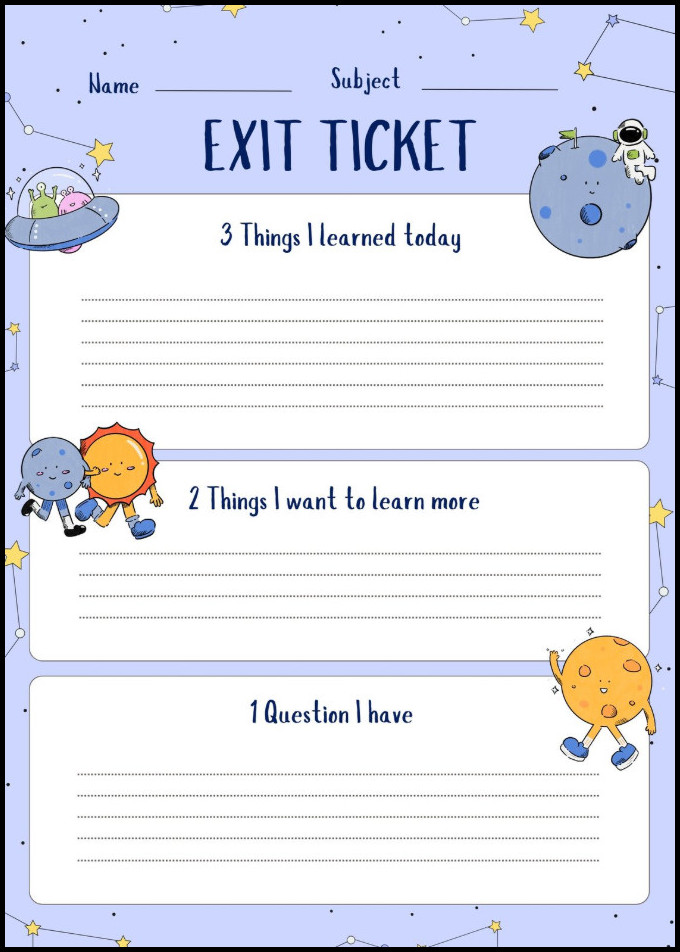
Differentiated instruction is an approach to teaching that recognizes and accommodates the diverse learning needs of students. Exit tickets can be a powerful tool for implementing differentiated instruction in the classroom. By analyzing the responses on exit tickets, teachers can gain insights into the individual strengths and weaknesses of their students.
This information can then be used to tailor instruction to meet the specific needs of each student, whether through additional support, enrichment activities, or modifications to the curriculum. Exit tickets can help teachers create a more inclusive and responsive learning environment that meets the needs of all learners.
Types of Exit Tickets
Exit tickets can come in various formats, depending on the learning objectives and the nature of the lesson. Some common types of exit tickets include:
- Multiple-Choice Questions: These are quick and easy to grade, providing a snapshot of students’ comprehension.
- Short Answer Responses: Students can demonstrate their understanding in their own words, allowing for more detailed feedback.
- Reflection Prompts: These encourage students to think critically about the lesson and make connections to their own experiences.
- Drawings or Diagrams: Visual representations can be effective for assessing understanding in subjects like science or art.
- Exit Ticket Journals: A more extended form of an exit ticket, where students can reflect on their learning over time.
How to Design Effective Exit Tickets
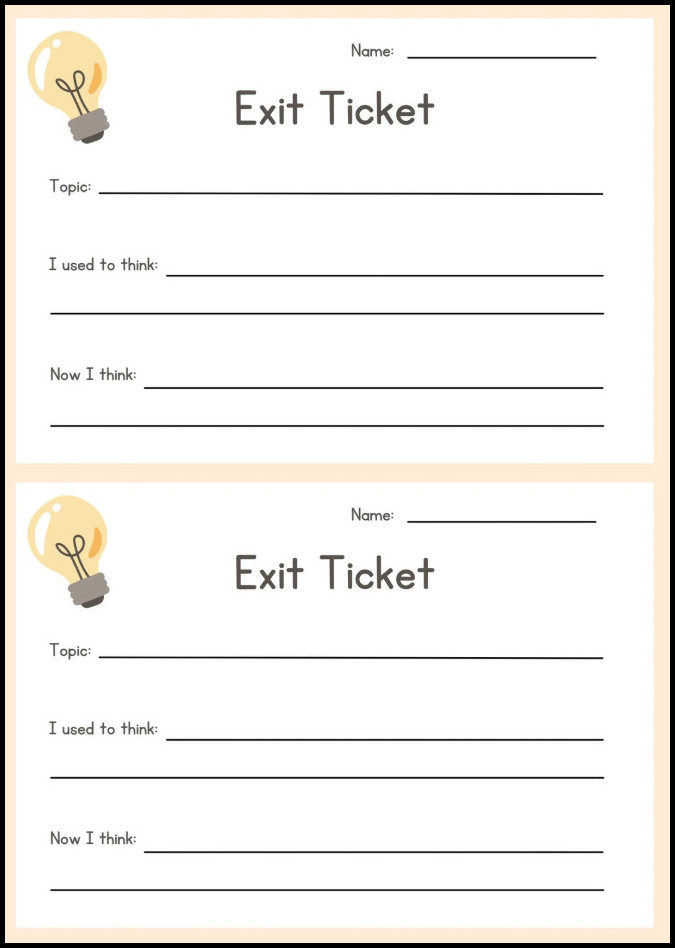
Designing effective exit tickets requires careful consideration of the learning objectives, question types, and feedback mechanisms. Teachers should follow these steps to create meaningful and impactful exit tickets:
Align with Learning Objectives
When designing exit tickets, it’s essential to align the questions with the specific learning objectives of the lesson. The questions should directly assess whether students have met the desired outcomes and mastered the key concepts or skills.
Keep it Brief
Exit tickets should be concise and focused to ensure that students can complete them within a reasonable timeframe. Limit the number of questions to the most critical concepts or skills that were covered in the lesson.
Use Clear Language
The questions on exit tickets should be written in clear and understandable language to ensure that students know what is expected of them. Avoid using jargon or complex terms that may confuse students.
Include a Variety of Question Types
To assess different levels of understanding, incorporate a mix of question types on the exit ticket, such as multiple-choice, short answer, and reflection questions. This variety allows students to demonstrate their comprehension in different ways.
Encourage Honest Feedback
Create a supportive and non-judgmental environment for students to provide honest feedback on the exit ticket. Encourage them to reflect on their learning openly and identify areas where they may need help.
Review and Analyze Responses
After collecting the exit tickets, take the time to review and analyze the responses to identify patterns or trends in student understanding. Use this information to inform your future instructional decisions.
When and How Often Should You Use an Exit Ticket?
The frequency of using exit tickets in the classroom can vary depending on the lesson objectives and instructional goals. Here are some guidelines for when and how often you should use exit tickets:
- Daily: Use exit tickets at the end of each class period to assess daily learning objectives and provide immediate feedback.
- Weekly: Incorporate exit tickets into your weekly lesson plans to gauge overall understanding and track progress over time.
- After Key Lessons: Use exit
- Before Assessments: Administer exit tickets before quizzes or tests to identify areas of weakness and tailor review sessions accordingly.
- During Group Work: Use exit tickets to assess individual understanding during group activities or collaborative projects.
- At the End of Units: Wrap up units or modules with exit tickets to evaluate overall comprehension and address any lingering questions or misconceptions.
