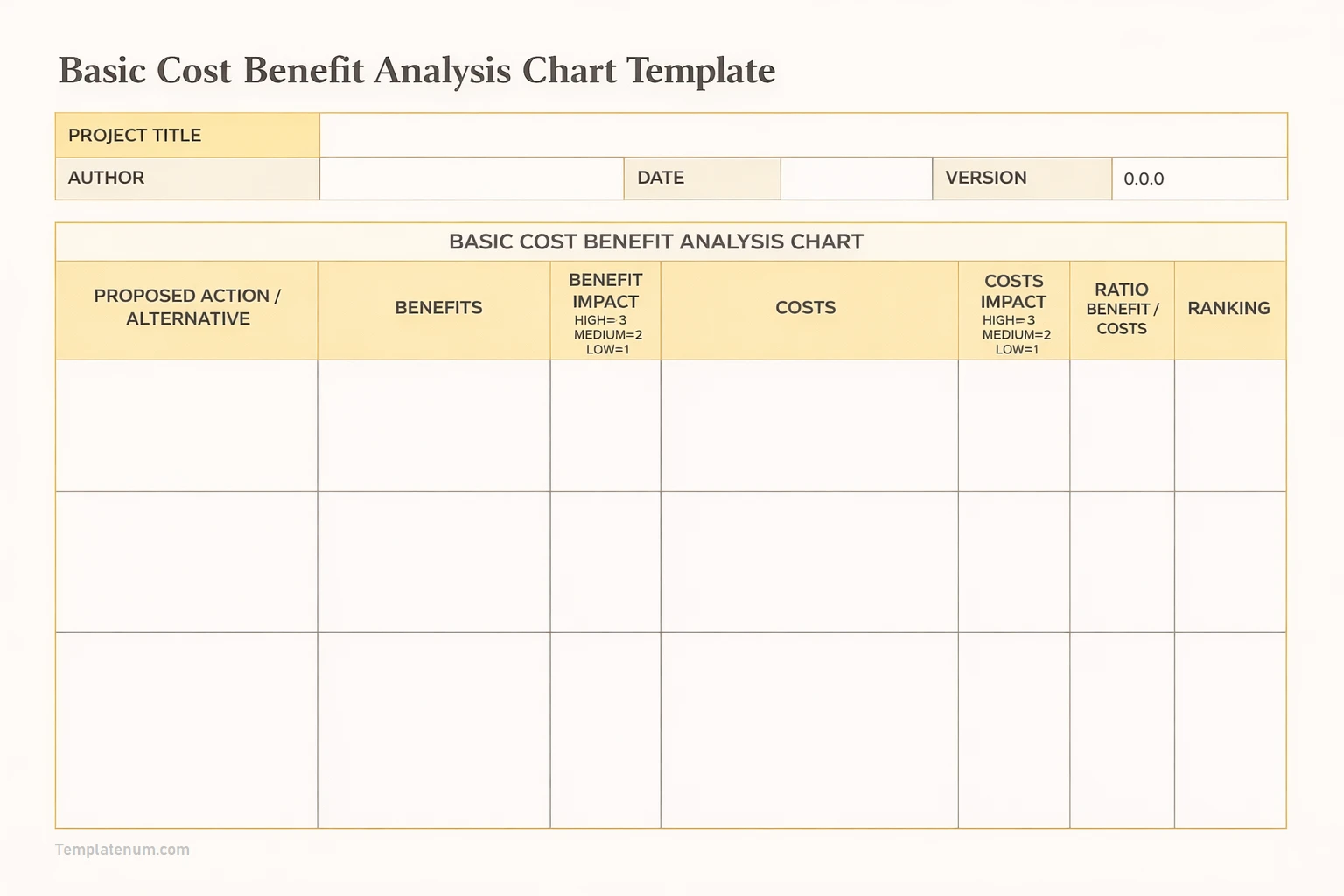
In the business world, making informed and data-driven decisions is crucial for success. One of the key tools that organizations use to evaluate the financial feasibility of a project or decision is cost-benefit analysis (CBA).
CBA involves comparing the total monetary costs and benefits of a proposed initiative to determine if the expected benefits outweigh the costs. By conducting a cost-benefit analysis, companies can gain valuable insights into the potential value of a project, optimize resource allocation, and make informed decisions that drive profitability and long-term success.
What Is a Cost-Benefit Analysis?
A cost-benefit analysis is a systematic process that helps organizations evaluate the financial implications of a decision or project. By quantifying both the costs and benefits of a proposed initiative, companies can assess whether the expected returns justify the investment.
This analysis provides a clear picture of the potential value of a project and helps decision-makers prioritize initiatives that offer the greatest return on investment.
Why Might a Company Perform a Cost-Benefit Analysis?
There are several reasons why a company might choose to conduct a cost-benefit analysis. Some of the key motivations include:
- Financial Planning: CBA helps organizations forecast the financial impact of a decision and plan their budgets accordingly.
- Risk Assessment: By weighing the potential costs and benefits of a project, companies can assess the risks involved and make informed decisions.
- Resource Optimization: CBA enables companies to allocate resources effectively and prioritize projects that offer the highest return on investment.
- Strategic Decision-Making: By conducting a cost-benefit analysis, companies can make strategic decisions that align with their long-term goals and drive profitability.
Key Components of a Cost-Benefit Analysis
The key components of a cost-benefit analysis include:
- Identifying Costs and Benefits: The first step in conducting a CBA is to identify all the costs and benefits associated with a project or decision.
- Quantifying Costs and Benefits: Once the costs and benefits have been identified, they need to be quantified in monetary terms to facilitate comparison.
- Discounting Future Costs and Benefits: Future costs and benefits are discounted to their present value to account for the time value of money.
- Calculating Net Present Value: The net present value (NPV) of a project is calculated by subtracting the total costs from the total benefits.
Process of Conducting a Cost-Benefit Analysis
The process of conducting a cost-benefit analysis typically involves the following steps:
- Define the Scope: Clearly define the scope of the analysis and determine the objectives of the project or decision.
- Identify Costs and Benefits: Identify all the costs and benefits associated with the project, both tangible and intangible.
- Quantify Costs and Benefits: Assign monetary values to the costs and benefits to facilitate comparison.
- Discount Future Costs and Benefits: Discount future costs and benefits to their present value using an appropriate discount rate.
- Calculate Net Present Value: Calculate the net present value of the project by subtracting the total costs from the total benefits.
- Make a Decision: Evaluate the results of the cost-benefit analysis and make an informed decision based on the projected returns and risks involved.
Conclusion
In conclusion, cost-benefit analysis is a valuable tool that helps organizations evaluate the financial implications of a decision or project. By comparing the total monetary costs and benefits, companies can make informed decisions that drive profitability and long-term success. By conducting a cost-benefit analysis, organizations can optimize resource allocation, prioritize initiatives with the highest return on investment, and make strategic decisions that align with their long-term goals.
Cost-Benefit Analysis Template – Download
