What is a Fitness Schedule?
A fitness schedule is more than just a list of workouts you plan to do each week. It is a strategic plan that outlines your exercise routine in detail for a specific period of time.
A well-designed fitness schedule takes into consideration your fitness goals, current fitness level, and time availability to create a personalized plan that works for you. Think of it as a roadmap that guides you towards achieving your desired level of fitness.
Why You Need a Fitness Schedule?
Implementing a fitness schedule into your routine can have numerous benefits that extend beyond just physical fitness. By having a structured plan in place, you set yourself up for success and create a solid foundation for reaching your fitness goals. Let’s explore some of the key reasons why having a fitness schedule is crucial for your overall well-being.
Motivation and Accountability
One of the greatest benefits of having a fitness schedule is that it helps you stay motivated and accountable. When you have a plan in place, you are more likely to stick to your workouts and stay on track with your fitness goals. Knowing that you have a scheduled workout to complete can provide the motivation needed to get moving, even on days when you may not feel like exercising. Additionally, having a set schedule creates a sense of accountability, as you are more likely to follow through with your workouts when they are planned.
Consistency and Progress Tracking
Consistency is key when it comes to achieving fitness goals, and a structured fitness schedule can help you establish a consistent workout routine. By scheduling your workouts in advance, you are more likely to make exercise a priority and incorporate it into your daily routine. Consistency not only helps you make progress towards your goals but also allows you to track your progress over time. By keeping a record of your workouts, you can see how far you have come and make adjustments to your schedule as needed to continue making progress.
Prevention of Overtraining and Injury
Having a fitness schedule can also help prevent overtraining and reduce the risk of injury. By planning your workouts ahead of time, you can ensure that you are allowing your body an adequate amount of rest and recovery between sessions. Overtraining can lead to burnout, decreased performance, and an increased risk of injury. By following a structured schedule that includes rest days, you can prevent overtraining and give your body the time it needs to repair and recover.
Integration into Your Routine
Integrating exercise into your daily routine is much easier when you have a fitness schedule in place. By setting aside specific times for your workouts, you can make exercise a habit and part of your daily routine. This can help you overcome barriers such as lack of motivation, time constraints, or competing priorities. When exercise becomes a regular part of your day, you are more likely to stick with it over the long term and make significant progress towards your fitness goals.
Enhanced Results and Efficiency
With a structured fitness schedule, you can maximize your workouts and ensure that you are making the most of your time in the gym or at home. By planning out your exercises, sets, reps, and rest periods in advance, you can increase the efficiency of your workouts and achieve better results in less time. This level of organization and planning can help you push past plateaus, break through barriers, and reach new levels of fitness that may not have been possible without a structured schedule.
What to Include in Your Fitness Schedule?
When creating your fitness schedule, there are several key components to consider to ensure that it is effective, sustainable, and tailored to your individual needs. Let’s take a closer look at what you should include in your fitness schedule to help you reach your fitness goals and maintain a healthy lifestyle.
Goal Setting and Goal Tracking
One of the first steps in creating a fitness schedule is to set clear, achievable goals for yourself. Whether you are looking to lose weight, build muscle, improve endurance, or simply maintain your current fitness level, having specific goals in mind can help you stay focused and motivated. Your goals should be realistic, measurable, and time-bound, so you can track your progress and make adjustments to your schedule as needed.
Exercise Selection and Variety
To create a well-rounded fitness schedule, it is important to include a variety of exercises that target different muscle groups and aspects of fitness. This can help prevent muscle imbalances, reduce the risk of overuse injuries, and keep your workouts interesting and engaging. Include a mix of cardio, strength training, flexibility exercises, and activities that you enjoy to create a balanced and effective workout routine.
Duration and Frequency of Workouts
Determining the duration and frequency of your workouts is an essential part of creating an effective fitness schedule. Consider factors such as your fitness level, goals, available time, and recovery needs when planning your workouts. Aim for a mix of shorter, more intense workouts and longer, lower-intensity sessions to keep your body challenged and avoid burnout. Be realistic about the time you can commit to exercise each week and schedule your workouts accordingly.
Rest and Recovery Days
Incorporating rest and recovery days into your fitness schedule is crucial for allowing your body to repair and rebuild after intense workouts. Rest days are just as important as exercise days, as they give your muscles time to recover, reduce the risk of injury, and prevent burnout. Listen to your body and adjust your schedule as needed to ensure that you are getting an adequate amount of rest and recovery between workouts.
Progression and Periodization
Progression and periodization are key components of an effective fitness schedule that help you continue making progress and avoid hitting plateaus. Progression involves gradually increasing the intensity, duration, or difficulty of your workouts over time to challenge your body and promote adaptation. Periodization involves varying your training volume, intensity, and frequency to prevent overtraining, optimize recovery, and peak for specific events or goals. By incorporating progression and periodization into your schedule, you can ensure that you are continually improving and seeing results.
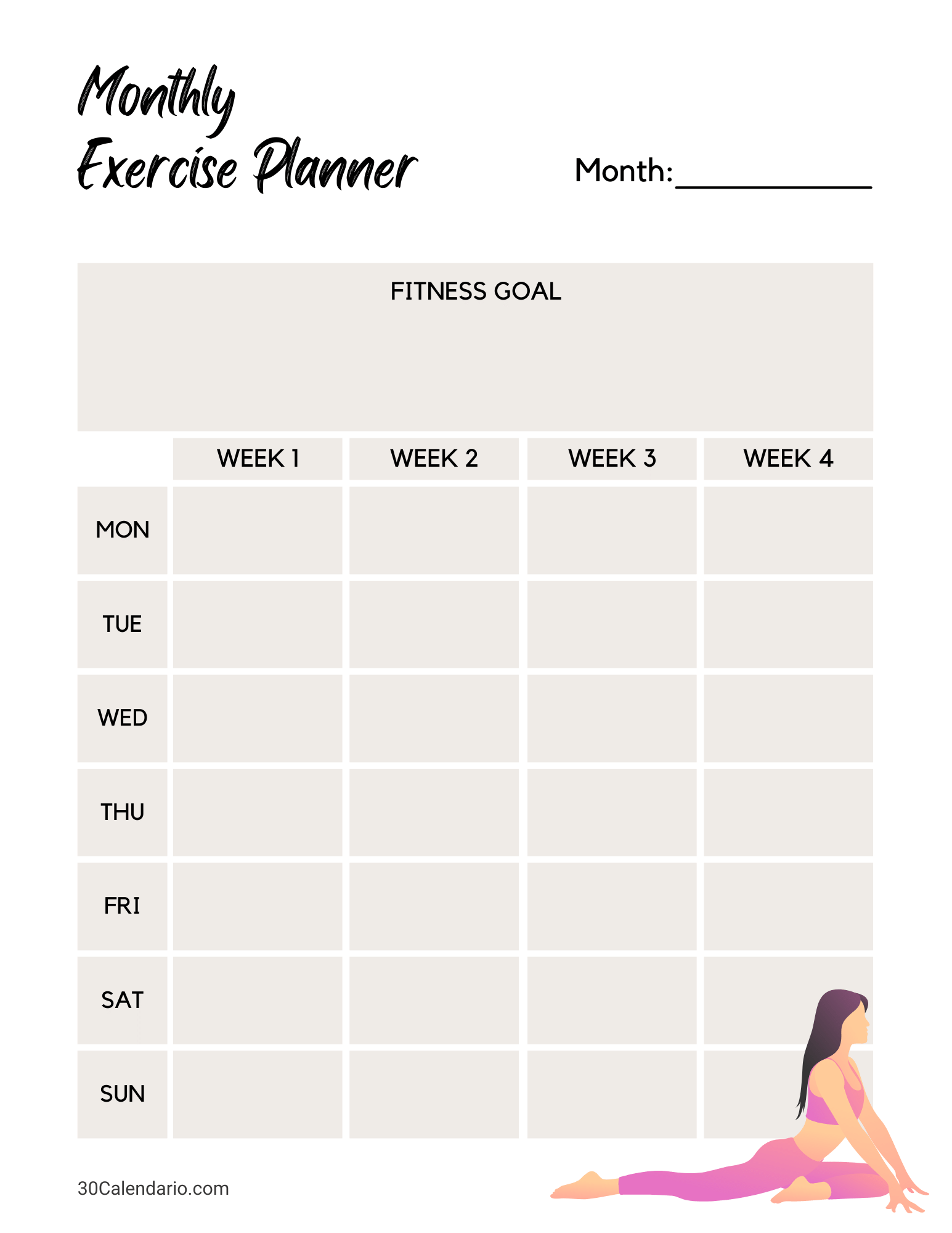
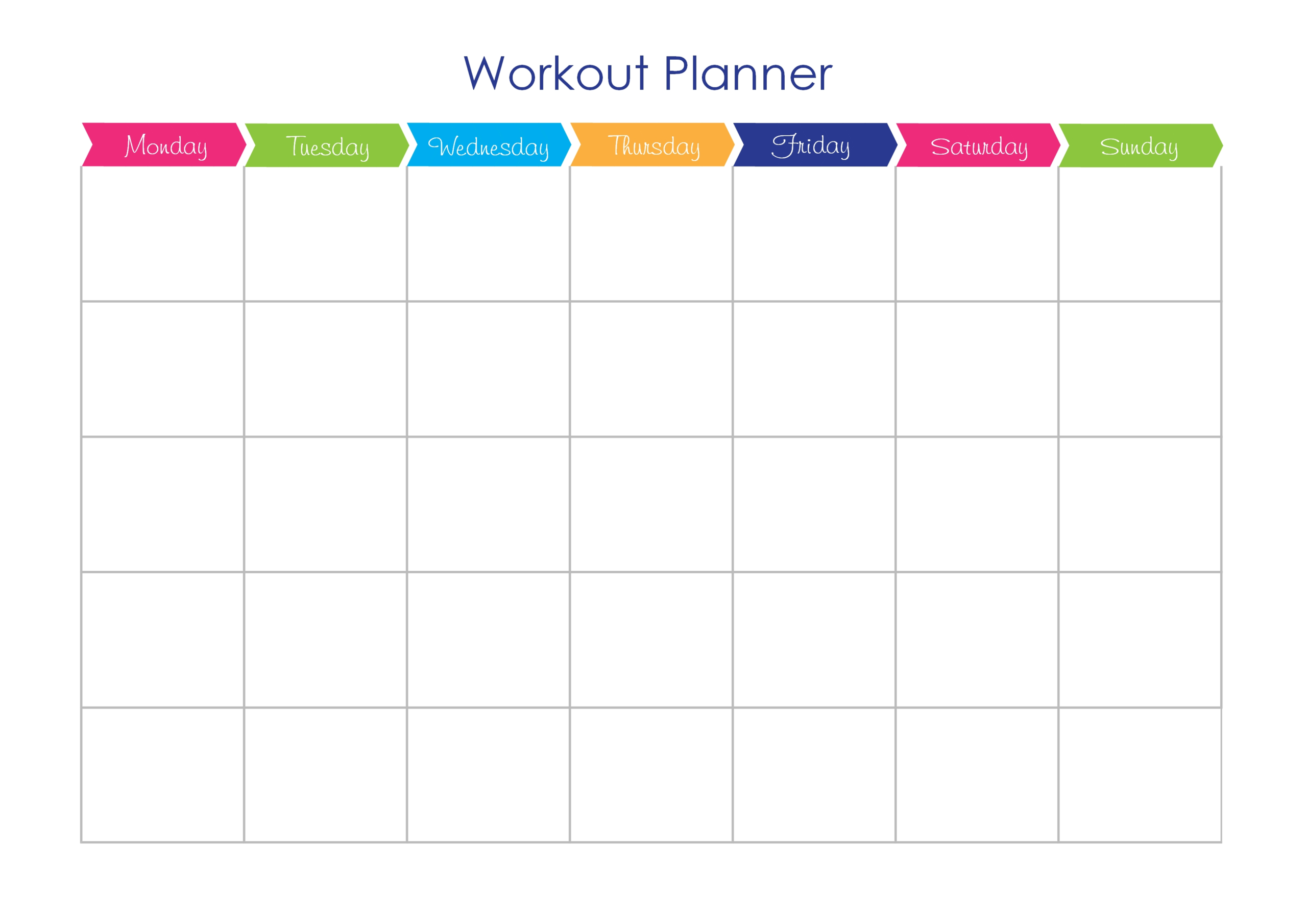
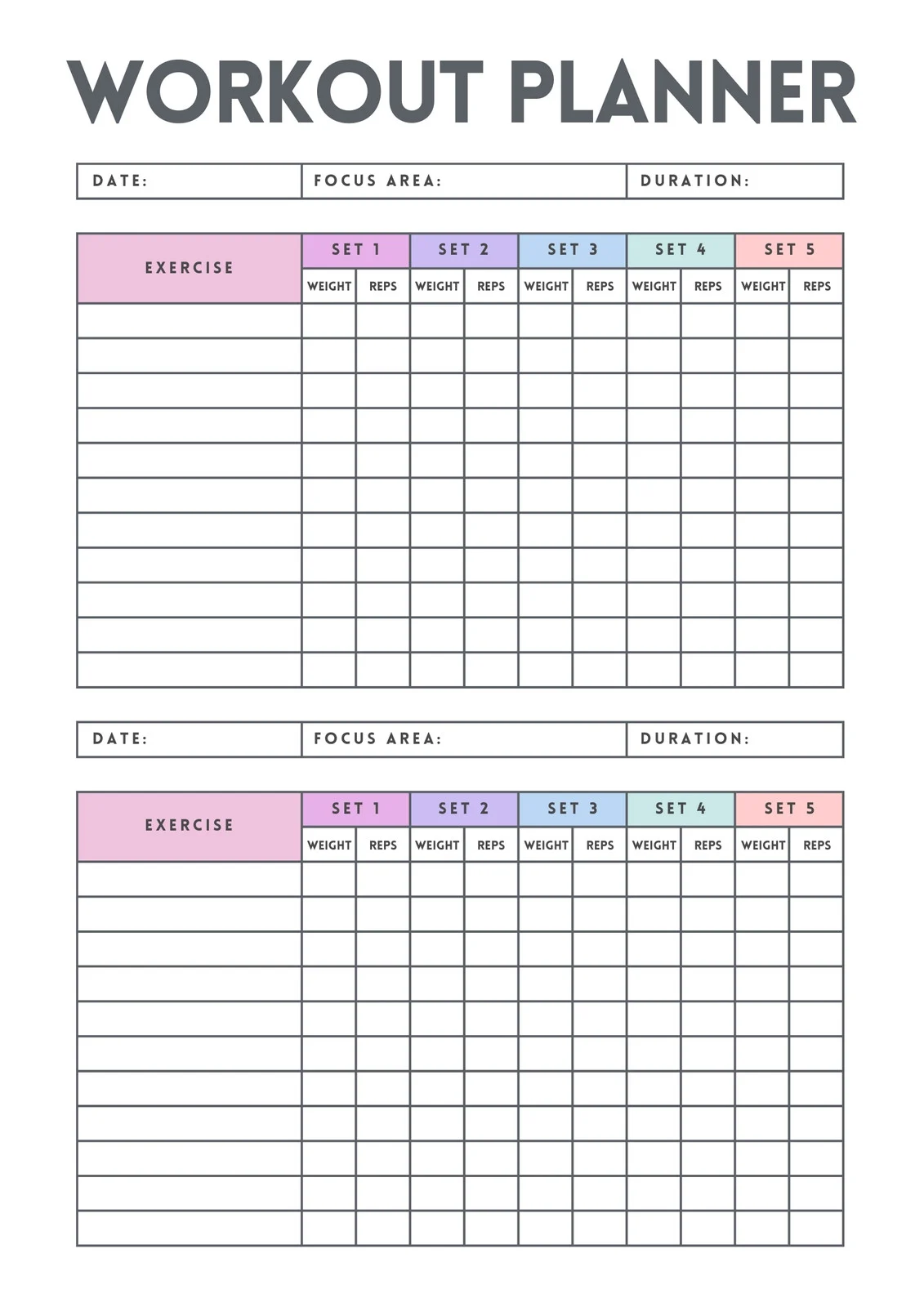
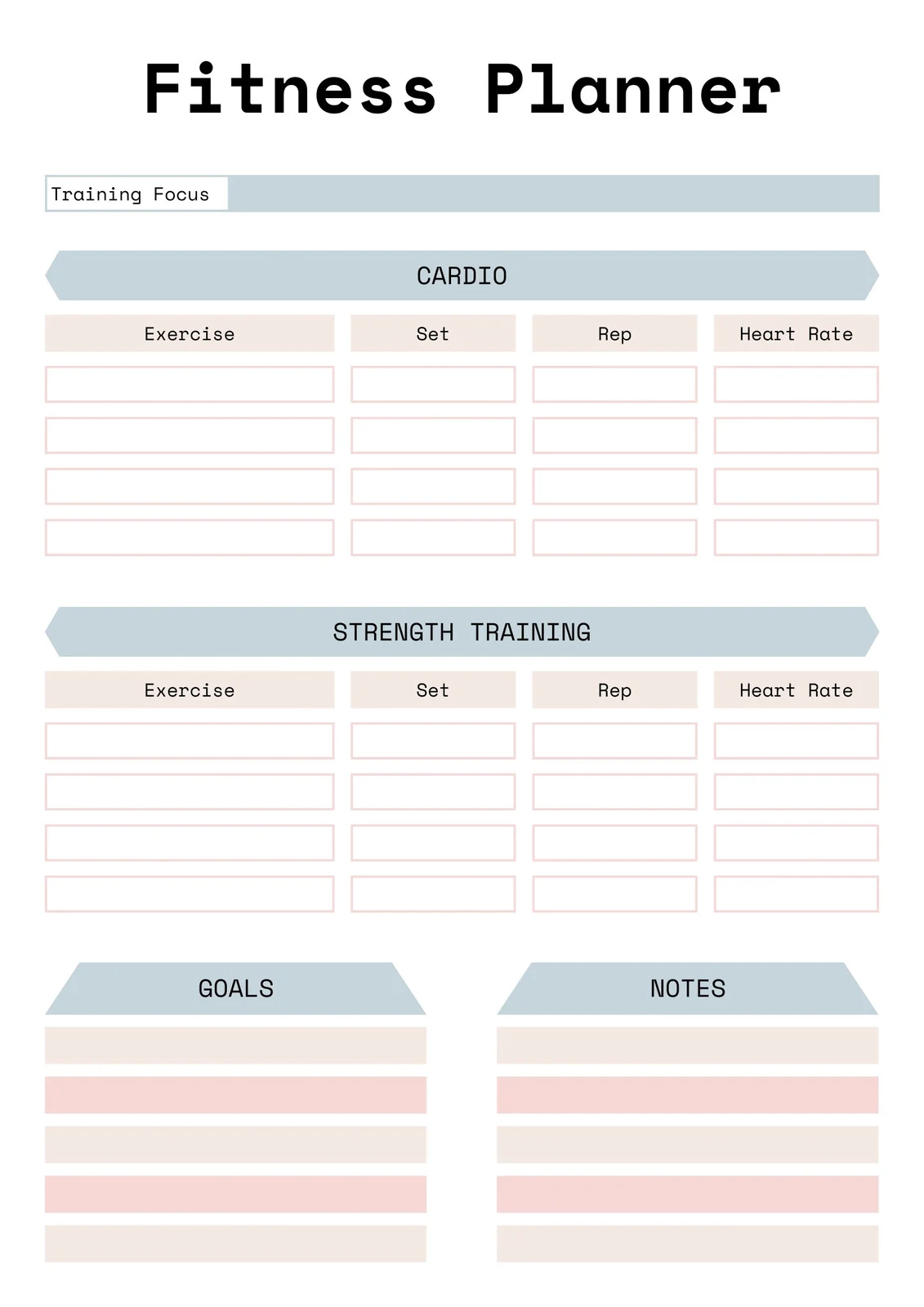
Examples
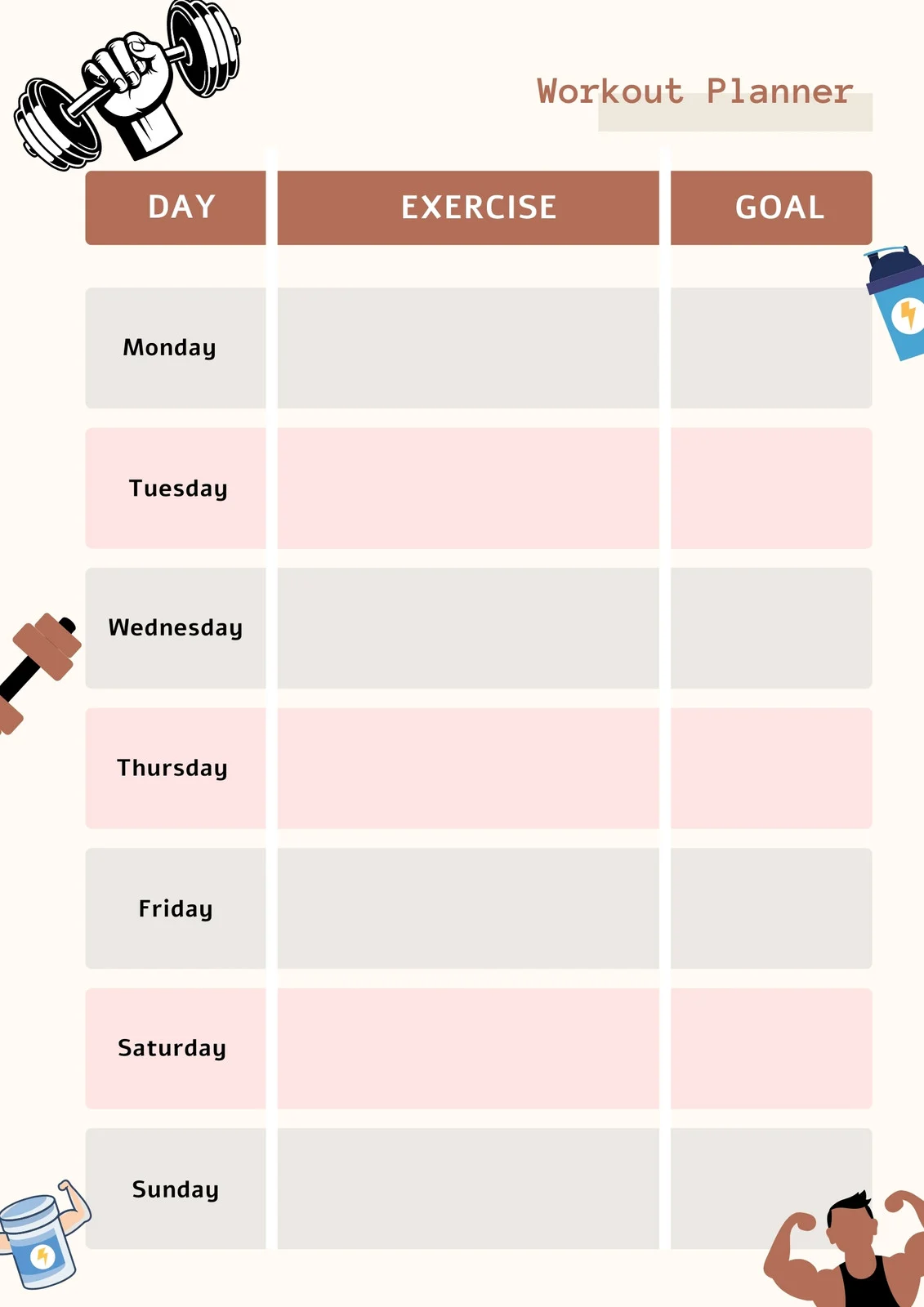
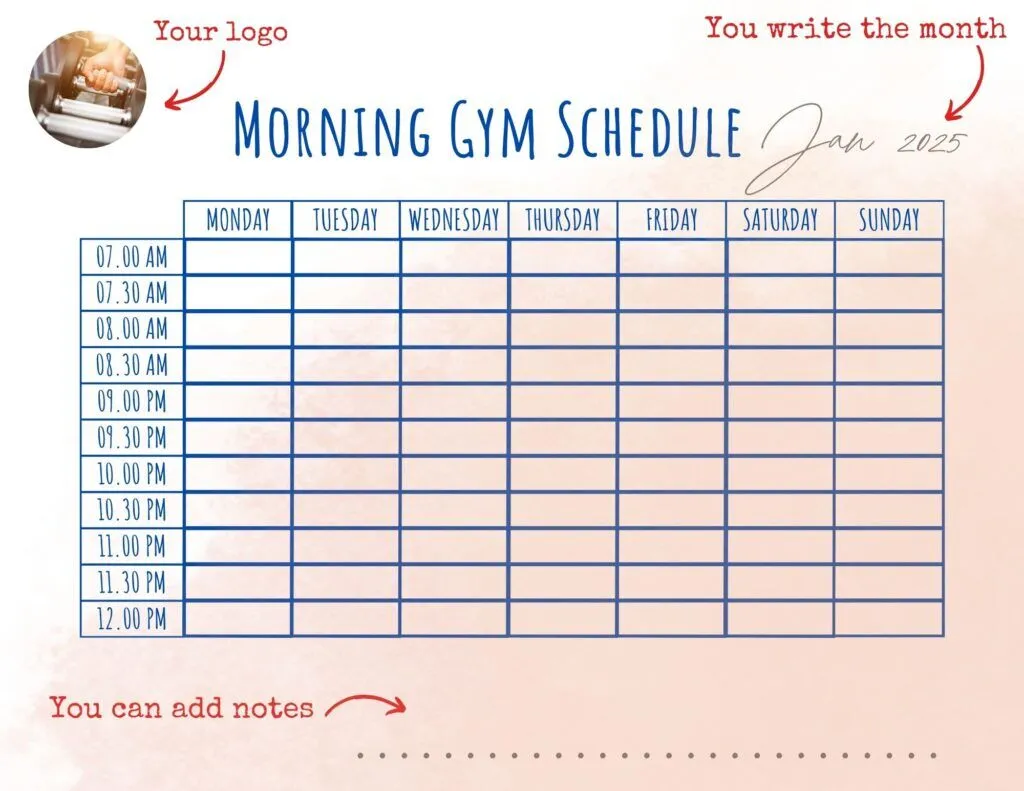
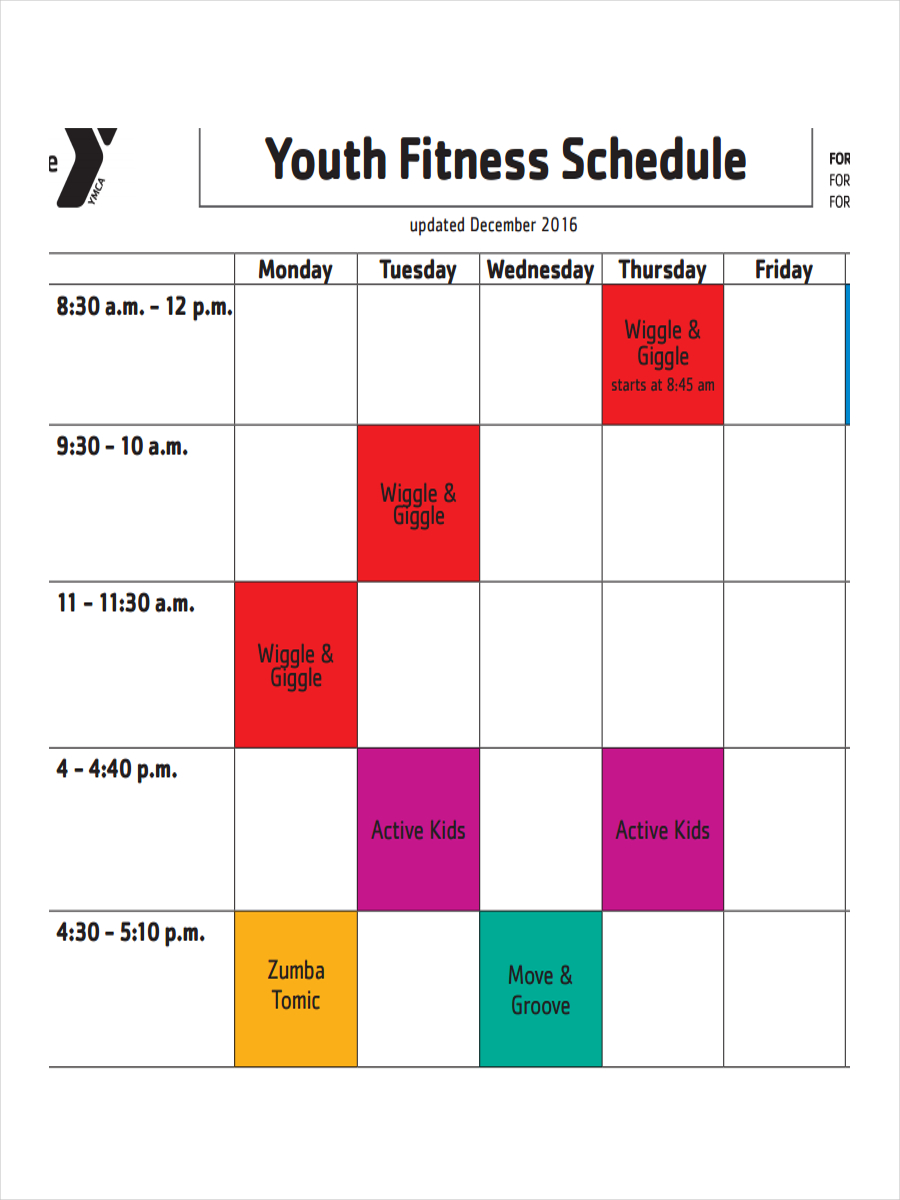
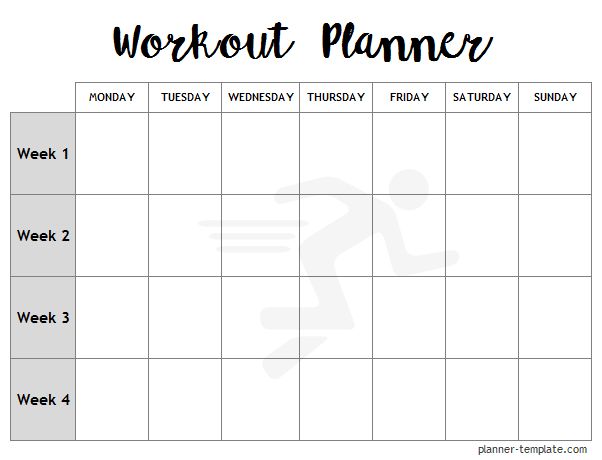
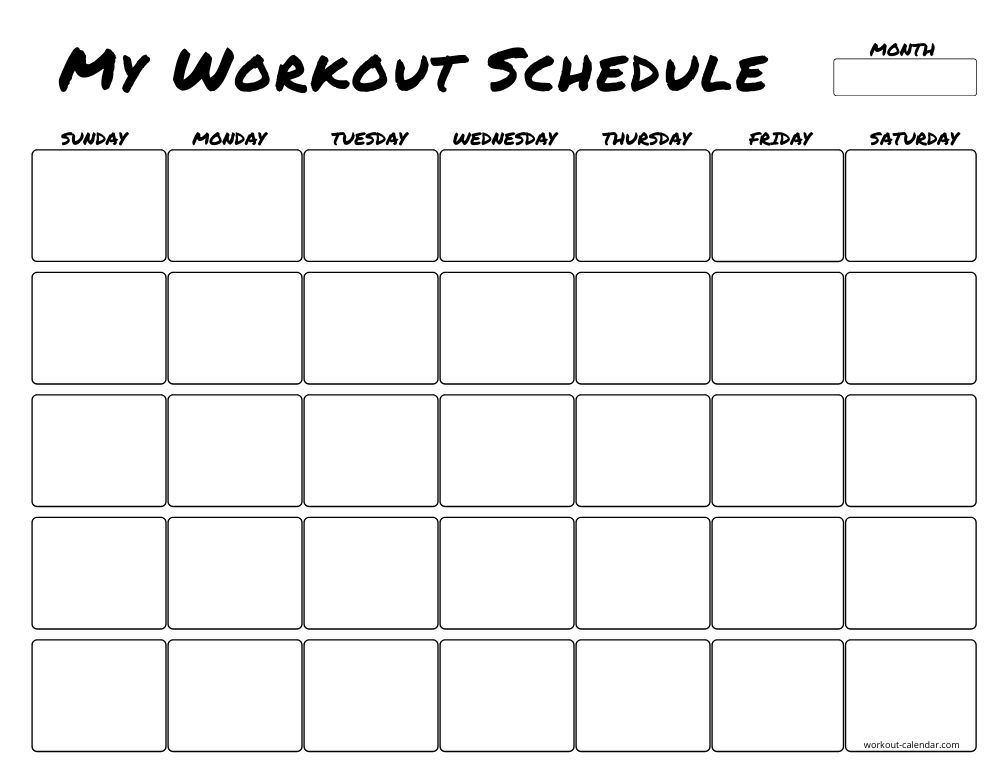
How to Create a Fitness Schedule
Now that you understand the importance of having a fitness schedule and what to include in it, let’s dive into the steps for creating a personalized plan that works for you. By following these guidelines and tips, you can develop a fitness schedule that is effective, sustainable, and tailored to your individual needs and goals.
Step 1: Set Clear Goals
Before creating your fitness schedule, take some time to set clear, specific goals for yourself. Whether you want to lose a certain amount of weight, increase muscle mass, improve cardiovascular fitness, or achieve a specific performance goal, having a clear objective in mind will help guide your workout plan. Make sure your goals are realistic, achievable, and measurable, so you can track your progress and make adjustments as needed.
Step 2: Assess Your Fitness Level
Consider your current fitness level, strengths, weaknesses, and any limitations you may have when designing your fitness schedule. This will help you tailor your workouts to meet your individual needs and avoid injury or overtraining. If you are unsure of your fitness level, consider working with a personal trainer or fitness professional to assess your current abilities and create a plan that is safe and effective for you.
Step 3: Choose Your Activities
Select a variety of activities and exercises that target different muscle groups and aspects of fitness to create a well-rounded workout routine
Step 3: Choose Your Activities (continued)
Consider incorporating a mix of cardio, strength training, flexibility exercises, and other activities that you enjoy and that align with your fitness goals. This variety not only keeps your workouts interesting but also ensures that you are working different muscle groups and improving different aspects of your fitness. Mixing up your routine can also help prevent boredom, overuse injuries, and plateaus in your progress.
Step 4: Plan Your Workouts
Once you have selected your activities, it’s time to plan out your workouts for the week. Consider factors such as the duration of each workout, the intensity level, and the specific exercises you will perform. Be sure to include a mix of cardio, strength training, and flexibility exercises to create a balanced routine that targets all areas of fitness. Plan your workouts based on your goals, schedule, and fitness level, and be prepared to make adjustments as needed to stay on track.
Step 5: Schedule Your Workouts
Now that you have planned your workouts, it’s time to schedule them into your weekly calendar. Choose specific days and times for each workout and treat them as non-negotiable appointments. By committing to a set schedule, you are more likely to stick to your workouts and make exercise a priority in your daily routine. Be realistic about the time you can dedicate to exercise and choose times that work best for you, whether it’s early in the morning, during lunch, or in the evening.
Step 6: Track Your Progress
Tracking your progress is an essential part of any fitness schedule. Keep a workout journal or use a fitness tracking app to record your workouts, track your performance, and monitor your progress towards your goals. By keeping a record of your workouts, you can see how far you have come, identify areas for improvement, and make adjustments to your schedule as needed. Regularly review your progress and celebrate your successes along the way to stay motivated and committed to your fitness journey.
Step 7: Stay Flexible
While having a structured fitness schedule is important for consistency and progress, it’s also essential to stay flexible and adaptable. Life can be unpredictable, and there may be times when you need to adjust your schedule due to unforeseen circumstances or changes in your routine. Be willing to make modifications to your plan as needed, but always strive to stay on track with your workouts and make exercise a priority in your daily life.
Tips for Successful Fitness Schedule
Creating and sticking to a fitness schedule can be challenging, but with the right strategies and mindset, you can set yourself up for success and achieve your fitness goals. Here are some additional tips to help you create and maintain a successful fitness schedule that works for you:
1. Start Slow and Gradually Increase Intensity
When starting a new fitness schedule, it’s important not to do too much too soon. Begin with manageable workouts and gradually increase the intensity, duration, and frequency as your fitness level improves. This gradual progression will help prevent burnout, reduce the risk of injury, and allow your body to adapt to the increased demands of exercise.
2. Be Consistent and Make Exercise a Habit
Consistency is key when it comes to seeing results from your fitness schedule. Make exercise a regular part of your routine by scheduling workouts at the same time each day or week and treating them as non-negotiable appointments. By making exercise a habit, you are more likely to stick with your schedule and achieve your fitness goals over the long term.
3. Listen to Your Body and Rest When Needed
Pay attention to how your body responds to exercise and rest, and be sure to listen to any signals of fatigue, soreness, or discomfort. It’s important to rest when needed and give your body time to recover between workouts. Overtraining can lead to burnout, decreased performance, and an increased risk of injury, so be mindful of your body’s needs and adjust your schedule accordingly.
4. Set Realistic Goals and Track Your Progress
Set clear, achievable goals for yourself and track your progress regularly to stay motivated and on track with your fitness journey. Use a workout journal, fitness app, or tracking device to record your workouts, track your performance, and monitor your progress towards your goals. Celebrate your successes along the way and use setbacks as learning opportunities to make adjustments to your schedule and continue moving forward.
5. Seek Support and Accountability
Having support and accountability can greatly enhance your success with a fitness schedule. Consider enlisting the help of a workout buddy, personal trainer, or fitness coach to help keep you motivated, accountable, and on track with your workouts. Joining a fitness class, online community, or challenge can also provide the support and encouragement you need to stay committed to your schedule and reach your fitness goals.
6. Stay Positive and Enjoy the Process
Remember that fitness is a journey, and progress takes time, dedication, and patience. Stay positive, motivated, and focused on the process rather than just the result. Enjoy the feeling of accomplishment after a challenging workout, the energy boost from exercise, and the physical and mental benefits of staying active. Celebrate small victories along the way and embrace the journey towards a healthier, fitter you.
By following these tips and guidelines, you can create a fitness schedule that is effective, sustainable, and tailored to your individual needs and goals. Remember that consistency, motivation, and dedication are key to achieving success with your fitness schedule, so stay committed, stay focused, and enjoy the journey towards a healthier, fitter you.
