Maintaining a healthy diet is essential for overall well-being. However, it can be challenging to keep track of what we eat on a daily basis. This is where a food diary comes in handy.
A food diary is a powerful tool that can help you understand your eating habits and patterns, and identify the foods – both good and not-so-good – that you consume regularly. By keeping a record of your meals and snacks, you can gain valuable insights into your dietary choices and make informed decisions to improve your nutrition.
What is a Food Diary?
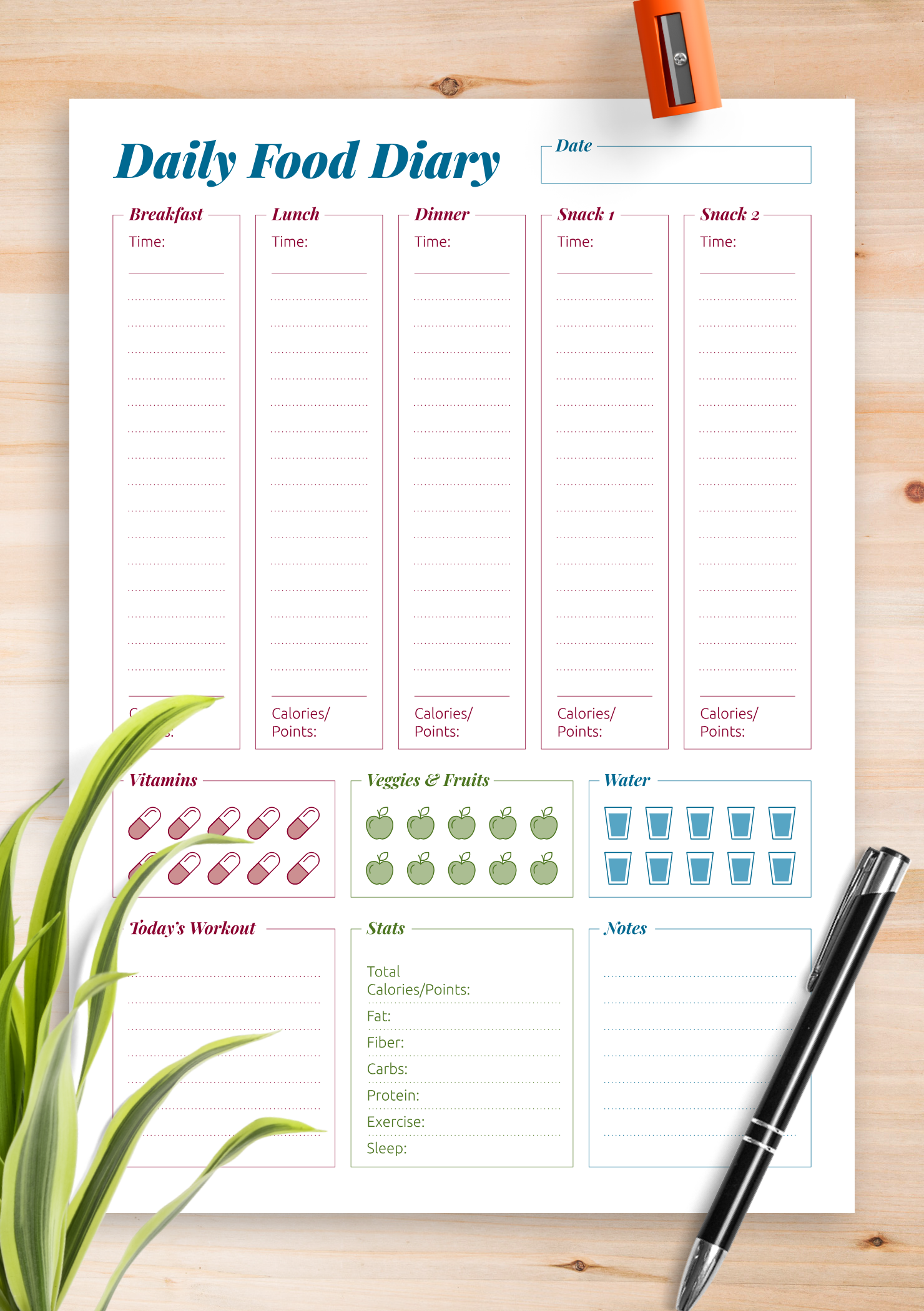
A food diary is a journal or log where you record everything you eat and drink throughout the day. It typically includes details such as the type of food or beverage, portion size, time of consumption, and any notes or observations related to the meal. By writing down what you eat, you create a visual representation of your dietary intake, which can help you evaluate your eating habits objectively.
Why You Should Keep a Food Diary?
Keeping a food diary can provide valuable insights into your eating habits and help you make positive changes to your diet. Here are some reasons why you should consider incorporating a food diary into your routine:
Enhanced Awareness and Accountability
By recording your meals and snacks, you become more aware of what you eat and when. This increased mindfulness can help you make healthier choices and hold yourself accountable for your dietary decisions. Additionally, having a visual representation of your food intake can motivate you to stay on track with your nutrition goals.
Understanding Eating Patterns
A food diary can reveal patterns in your eating habits, such as emotional eating, stress-induced cravings, or mindless snacking. By identifying these patterns, you can take proactive steps to address underlying issues and develop healthier eating routines. Understanding your eating patterns is crucial for making sustainable changes to your diet.
Monitoring Nutrient Intake
One of the key benefits of keeping a food diary is the ability to track your nutrient intake. By recording the foods you consume, along with portion sizes, you can assess whether you are meeting your daily requirements for essential nutrients. This information can help you make adjustments to your diet to ensure you are getting the necessary vitamins, minerals, and macronutrients.
What Should You Include in a Food Diary?
When keeping a food diary, it’s important to include detailed information about your meals and snacks. Here are some key components to include in your food diary entries:
Recording Food and Beverage Choices
Include everything you eat and drink in your food diary, from main meals to snacks and beverages. Be specific about portion sizes and ingredients to accurately track your calorie and nutrient intake. By documenting your food choices, you can identify patterns and make adjustments to improve your diet.
Noting Time of Consumption
Record the times when you consume each meal or snack in your food diary. This information can help you identify patterns in your eating habits, such as late-night eating or prolonged gaps between meals. Understanding the timing of your meals can provide insights into your hunger cues and help you establish a more structured eating schedule.
Including Notes and Observations
Make notes in your food diary about how you felt before and after eating, any cravings or triggers you experienced, and any emotional or social factors that influenced your food choices. These observations can help you identify connections between your eating habits and your emotions, stress levels, or social situations.
Monitoring Portion Sizes
Pay attention to portion sizes when recording your meals in the food diary. Use measuring cups, scales, or visual cues to estimate portion sizes accurately. Over time, you may notice trends in portion sizes that can help you adjust your servings to align with your nutritional needs and weight management goals.
Examples
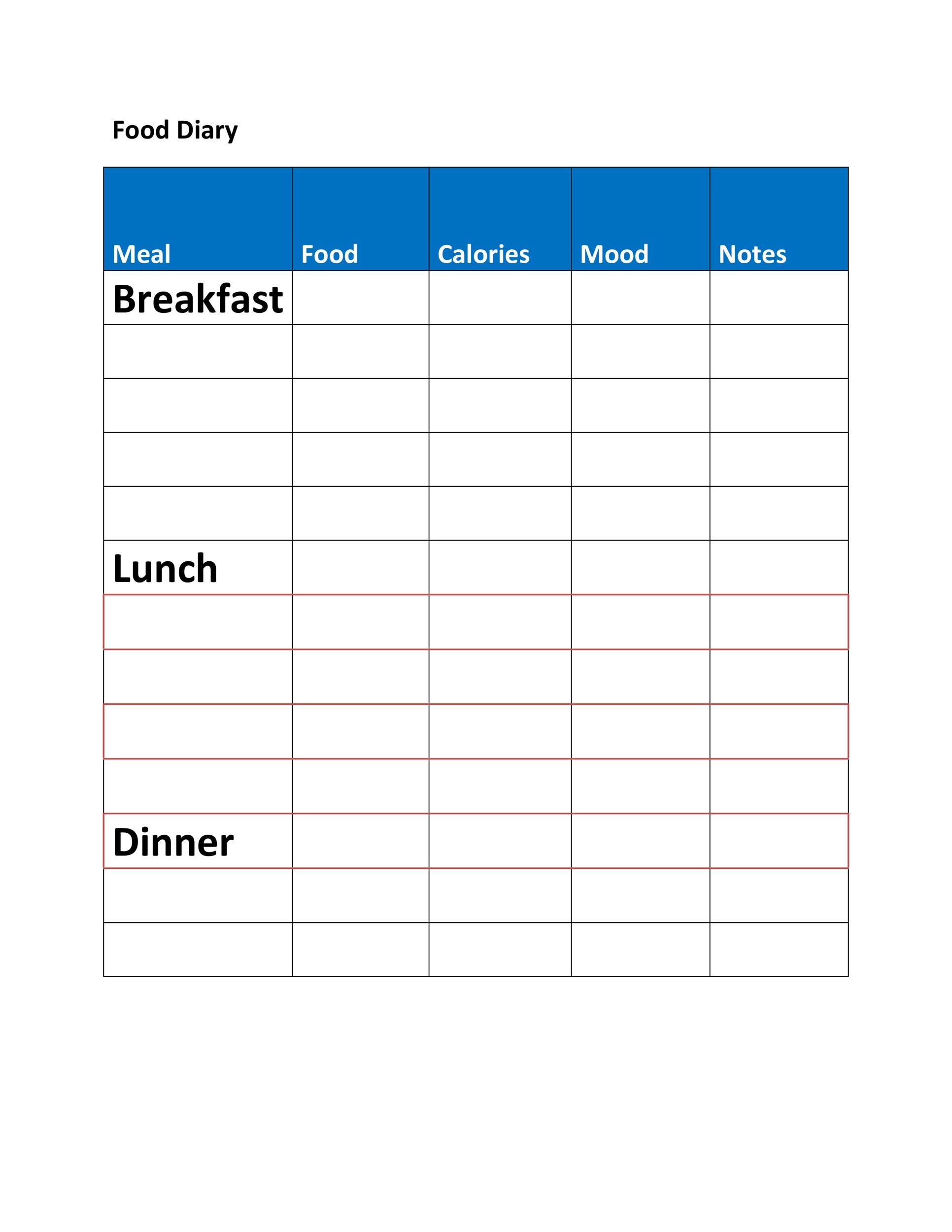
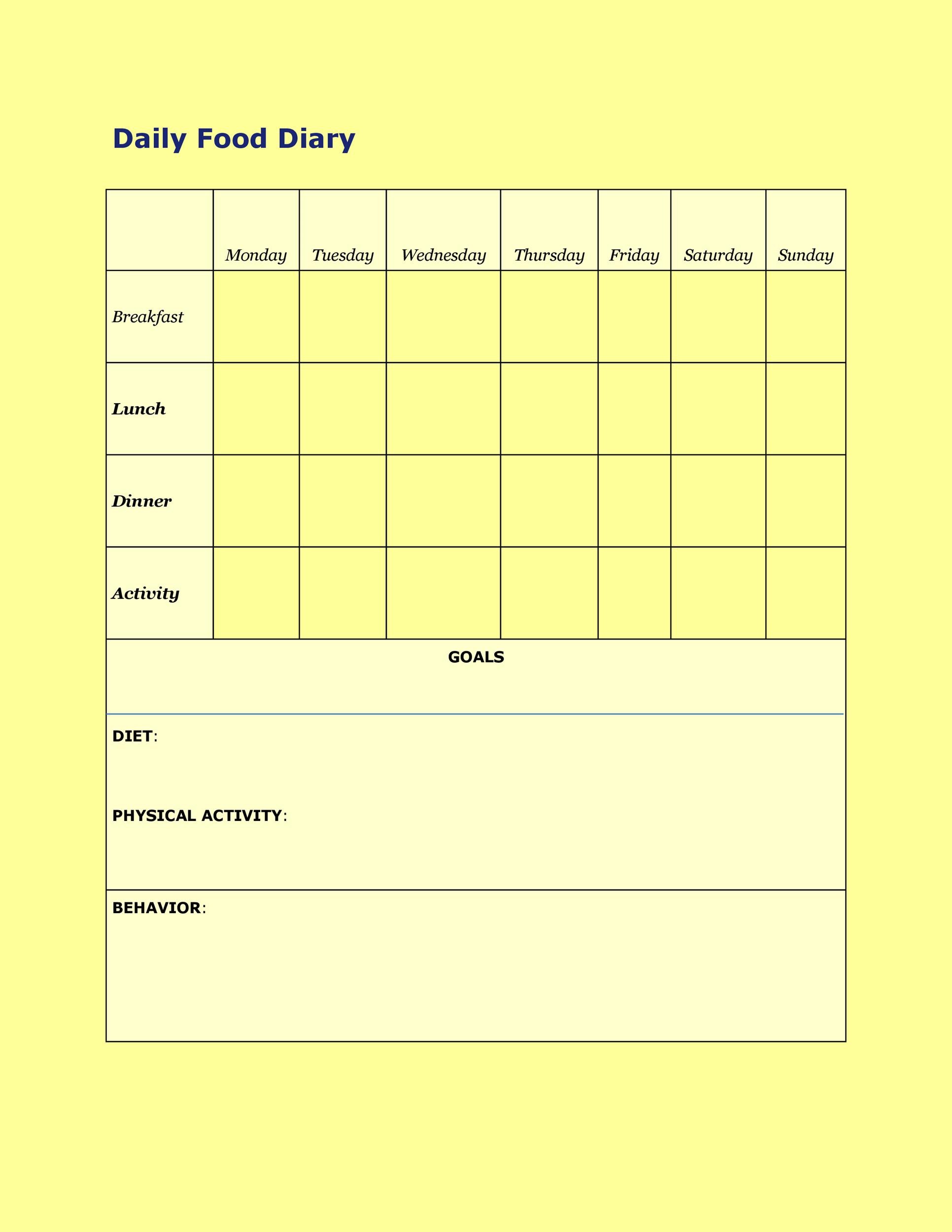
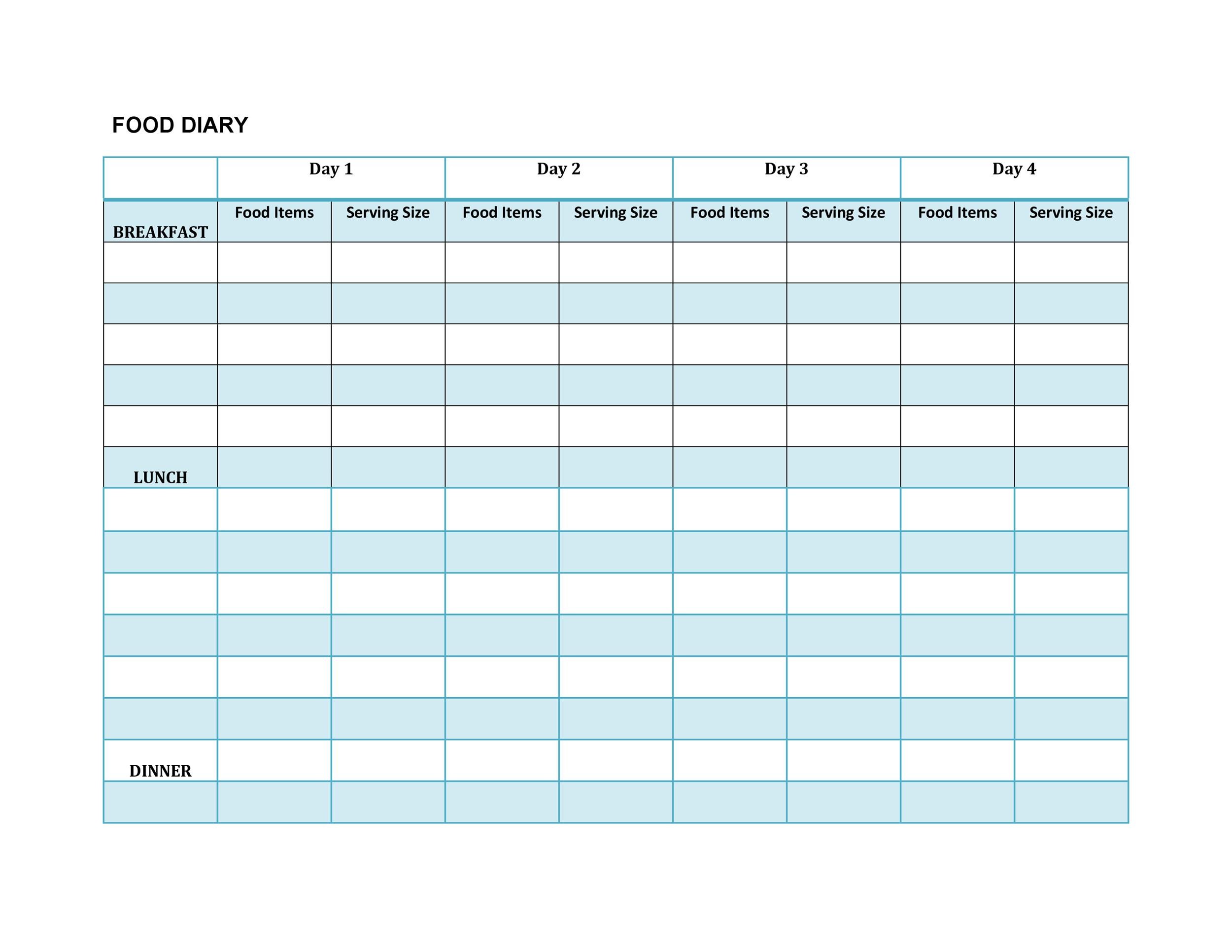
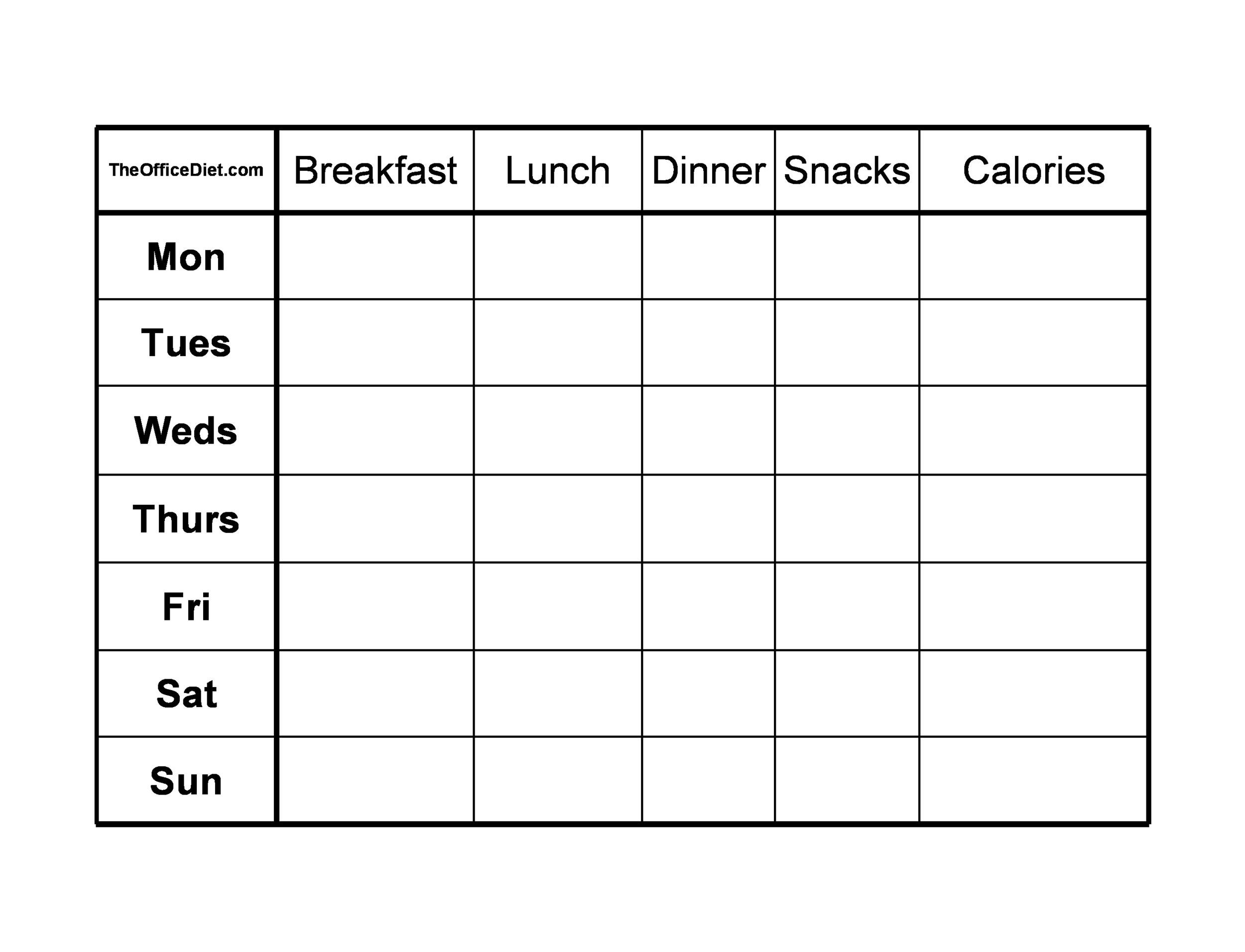
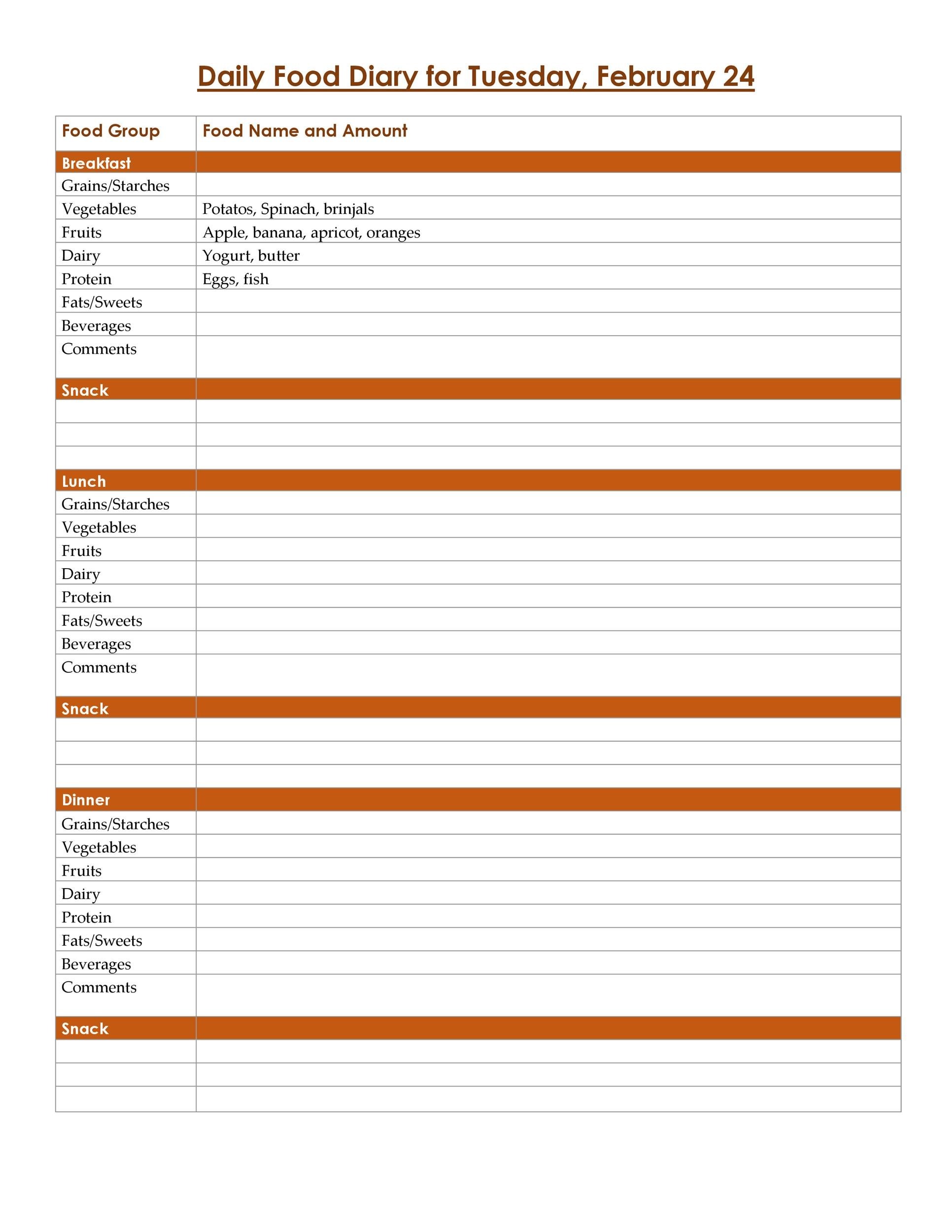
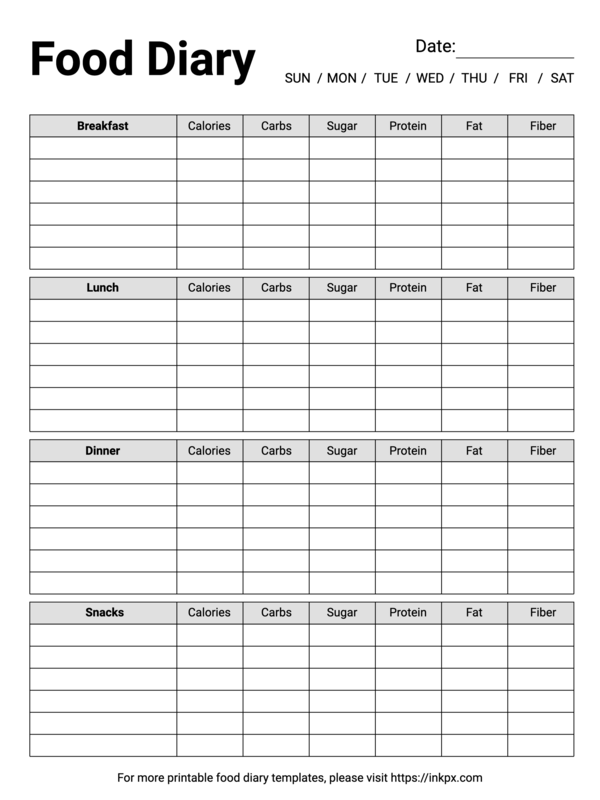
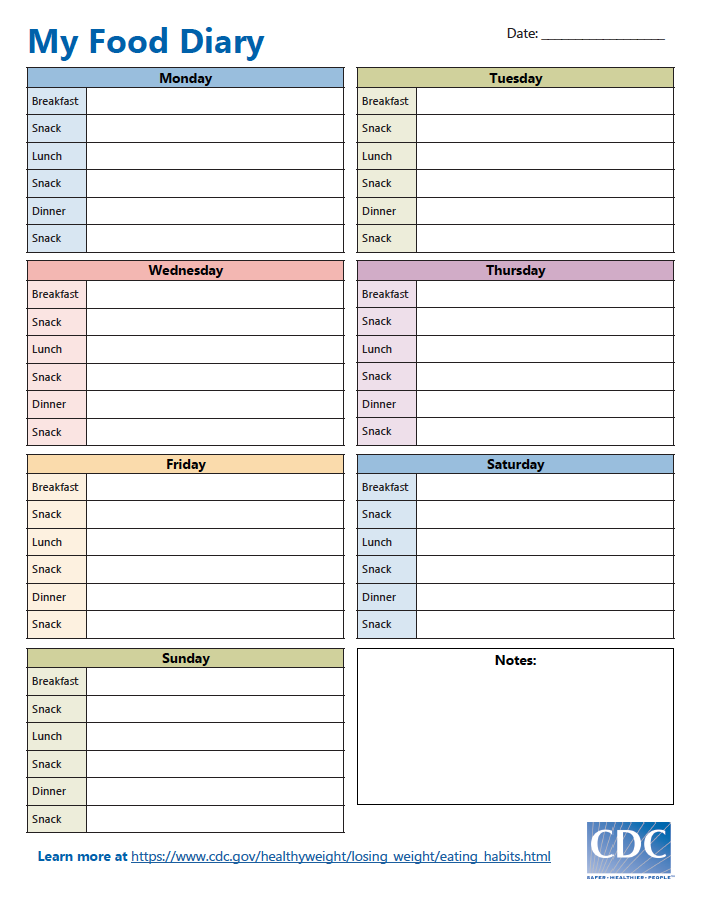
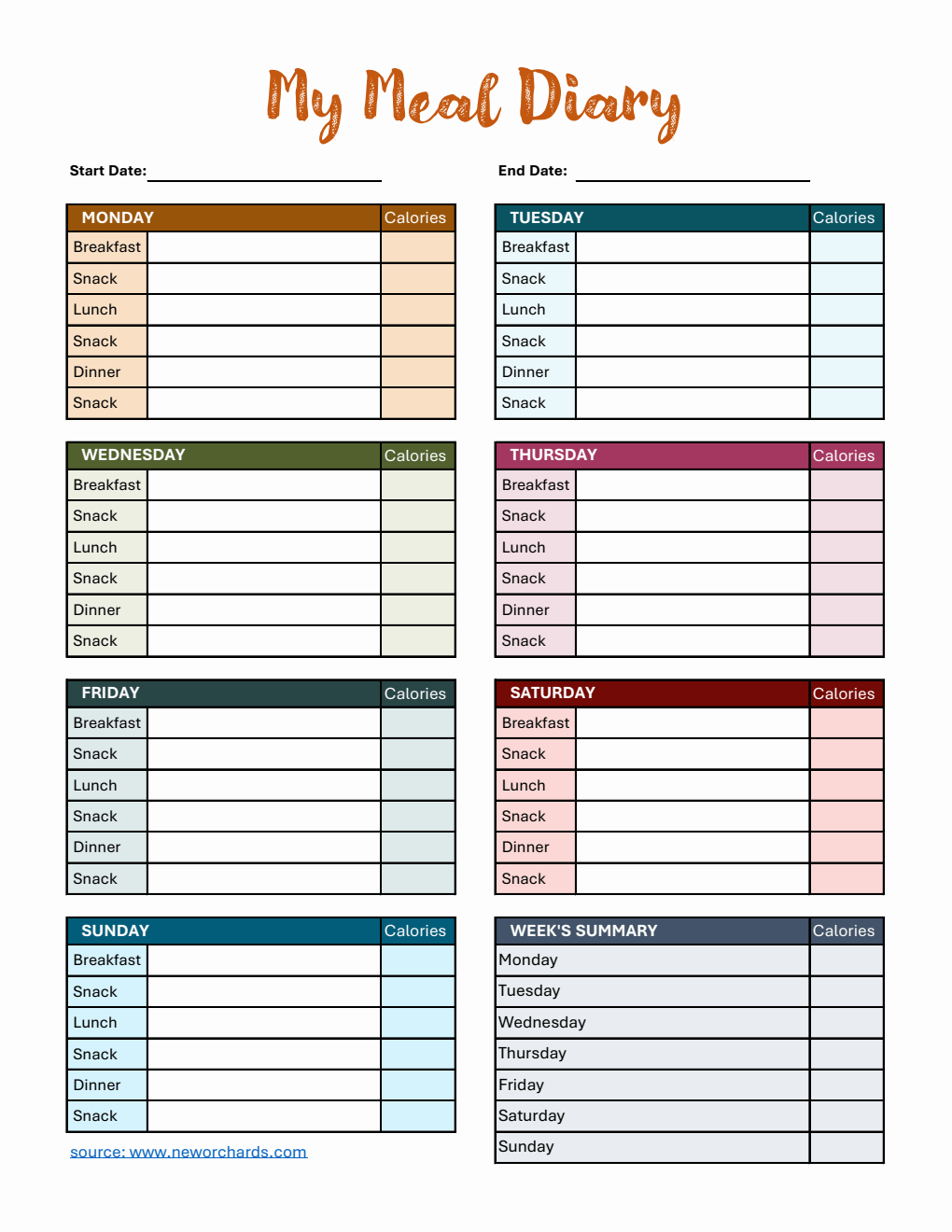
Things to Consider When Keeping a Food Diary
While keeping a food diary can be a valuable tool for improving your eating habits, there are some things to keep in mind to make the process more effective and sustainable:
Consistency is Key
Make a habit of recording your meals and snacks consistently every day. Set aside time at the end of each day to update your food diary to ensure accuracy and completeness. Consistency in food journaling will provide you with a comprehensive overview of your dietary habits.
Be Honest and Transparent
It’s essential to be honest and transparent when recording your food intake in the diary. Remember that the purpose of a food diary is to help you make positive changes to your diet, so accuracy is crucial. Avoid omitting or underestimating portions to ensure you have a true reflection of your eating habits.
Review and Reflect Regularly
Periodically review your food diary entries to identify patterns, trends, and areas for improvement. Reflect on your eating habits and make adjustments as needed to align with your health goals. Consider discussing your food diary with a healthcare professional or nutritionist for additional insights and guidance.
Tips for Successful Food Journaling
To make the most of your food diary experience, consider the following tips for successful food journaling:
Set Clear and Achievable Goals
Define clear and achievable goals for keeping a food diary, such as improving your nutrient intake, identifying trigger foods, or managing portion sizes. Setting specific goals will help you stay focused and motivated throughout the process.
Plan Your Meals in Advance
Pre-plan your meals and snacks to make tracking easier and ensure you meet your nutritional needs. Consider meal prepping or creating a weekly meal plan to streamline your food diary entries and promote healthier eating habits.
Seek Support and Accountability
Share your food diary with a trusted friend, family member, or healthcare professional for support and accountability. Having someone to discuss your progress with can provide encouragement and valuable feedback to help you stay on track with your nutrition goals.
Celebrate Small Victories
Celebrate small victories and improvements in your eating habits while keeping a food diary. Recognize your accomplishments, such as trying new foods, resisting unhealthy cravings, or meeting your nutrient goals. Positive reinforcement can help you stay motivated and committed to your dietary changes.
Experiment with New Foods and Recipes
Use your food diary as a learning tool to experiment with new foods, recipes, and eating patterns. Explore different cuisines, ingredients, and cooking methods to expand your culinary horizons and discover what works best for your taste preferences and nutritional needs.
Maintain a Positive Mindset
Approach food journaling with a positive mindset and view it as a tool for self-improvement and empowerment. Embrace the process of keeping a food diary as a journey towards better health and well-being, and stay optimistic about the positive changes you can make through mindful eating habits.
Food Diary Template – Download
