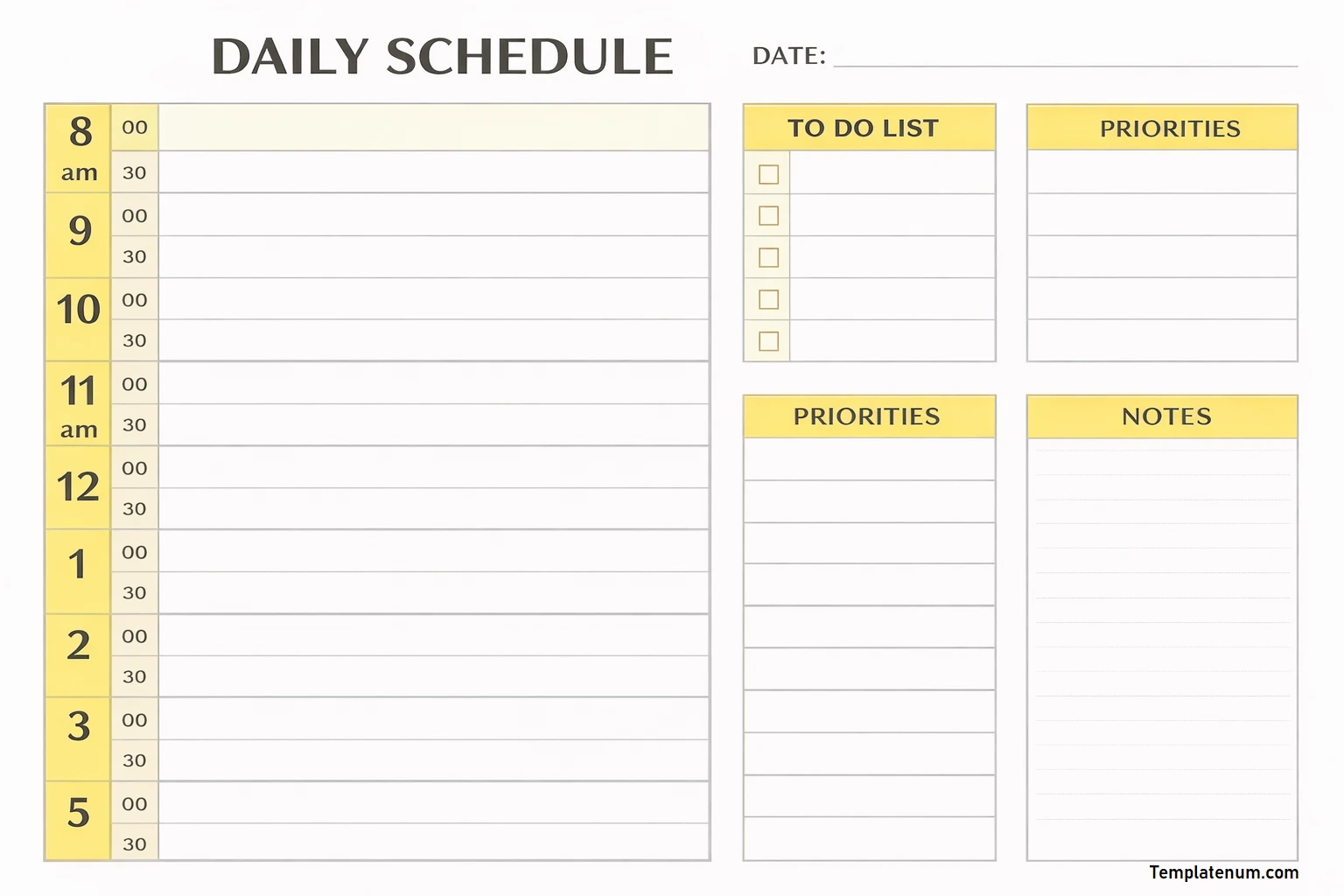
Life can often feel chaotic and overwhelming, with demands coming at us from all angles. From work deadlines to family obligations, it’s easy to feel like we’re constantly playing catch-up. However, there is a simple yet powerful tool that can help bring order to the chaos: a daily schedule.
By establishing a predictable routine, you can reduce stress, increase productivity, and create a sense of control over your day.
In this article, we’ll explore the benefits of having a daily schedule and provide practical tips on how to create one that works for you.
What Is a Schedule?
A schedule is essentially a plan that outlines how you will spend your time. It includes specific activities, tasks, and appointments, organized by time slots throughout the day.
Having a schedule allows you to allocate your time effectively, prioritize important tasks, and stay on track with your goals. It provides a framework for your day, helping you to make the most of your time and avoid wasting it on unproductive activities.
Why a Daily Schedule Is So Important?
There are several reasons why having a daily schedule is crucial for maintaining a healthy work-life balance and achieving your goals:
- Time Management: A schedule helps you make the most of your time by allocating it to the most important tasks and activities.
- Reduced Stress: Knowing what to expect each day can reduce feelings of uncertainty and overwhelm, leading to lower stress levels.
- Increased Productivity: By having a plan for your day, you can focus on completing tasks efficiently and avoid wasting time on distractions.
- Improved Work-Life Balance: A schedule allows you to allocate time for work, family, self-care, and leisure activities, helping you maintain a healthy balance.
How To Create a Daily Schedule
Creating a daily schedule doesn’t have to be complicated. Here are eight simple steps to help you get started:
1. Set Your Goals
Before you create your schedule, it’s essential to identify your goals and priorities. What do you want to achieve each day? By setting clear goals, you can focus your time and energy on the most important tasks.
2. Identify Your Priorities
Once you know your goals, prioritize your tasks based on their importance and urgency. This will help you allocate your time effectively and ensure that you’re focusing on what truly matters.
3. Allocate Time Blocks
Divide your day into time blocks based on your goals and priorities. Assign specific tasks to each block, making sure to leave room for breaks and transitions between activities.
4. Be Realistic
When creating your schedule, be realistic about how much time each task will take. Avoid overloading your day with too many tasks, as this can lead to feelings of overwhelm and burnout.
5. Stay Flexible
While having a schedule is important, it’s also essential to stay flexible. Unexpected things can arise throughout the day, so be prepared to adjust your schedule as needed.
6. Review and Reflect
At the end of each day, take a few minutes to review your schedule and reflect on what worked well and what could be improved. Use this feedback to refine your schedule for the next day.
7. Make Time for Self-Care
Don’t forget to include time for self-care activities in your schedule, such as exercise, meditation, or hobbies. Taking care of yourself is essential for maintaining overall well-being.
8. Stick to Your Schedule
Lastly, commit to sticking to your schedule as much as possible. Consistency is key to creating a routine that reduces stress and improves efficiency.
Example
Here’s an example of what a daily schedule might look like:
- 6:00 am – 7:00 am: Morning routine (exercise, breakfast)
- 7:00 am – 9:00 am: Work on important project
- 9:00 am – 10:00 am: Respond to emails
- 10:00 am – 12:00 pm: Meetings and calls
- 12:00 pm – 1:00 pm: Lunch break
- 1:00 pm – 3:00 pm: Complete tasks from to-do list
- 3:00 pm – 4:00 pm: Break and recharge
- 4:00 pm – 6:00 pm: Wrap up work for the day
- 6:00 pm – 8:00 pm: Dinner and relax
Tips for Using a Daily Schedule
Here are some additional tips for effectively using a daily schedule:
- Use a digital calendar or planner: Utilize technology to keep track of your schedule and set reminders for important tasks.
- Block out distractions: Create a dedicated workspace free from distractions to help you focus on your tasks.
- Include buffer time: Allow extra time between tasks to account for unexpected delays or emergencies.
- Celebrate small wins: Acknowledge your accomplishments throughout the day to stay motivated and positive.
- Adjust as needed: Be open to adjusting your schedule based on feedback and changing priorities.
- Practice self-discipline: Stick to your schedule by practicing self-discipline and avoiding procrastination.
By incorporating these tips and strategies into your daily routine, you can create a schedule that works for you and helps you achieve your goals with less stress and more efficiency. Remember, consistency is key, so make a commitment to yourself to stick to your schedule and watch as your productivity and well-being improve.
Daily Schedule Template – DOWNLOAD
