Expense reports play a critical role in modern business operations by helping organizations monitor spending, reimburse employees accurately, and maintain financial transparency. Whether a company is a small startup, a growing enterprise, or a multinational corporation, managing employee expenses efficiently is essential for maintaining profitability and operational control.
An expense report is more than just a document listing purchases and travel costs; it is a structured financial record that supports budgeting, tax compliance, auditing, and decision-making. Businesses that implement effective expense reporting systems often experience improved accountability, better cash flow management, and fewer financial discrepancies. In today’s competitive environment, understanding how expense reports work and how to optimize them can significantly improve organizational performance and employee satisfaction.
What Is an Expense Report?
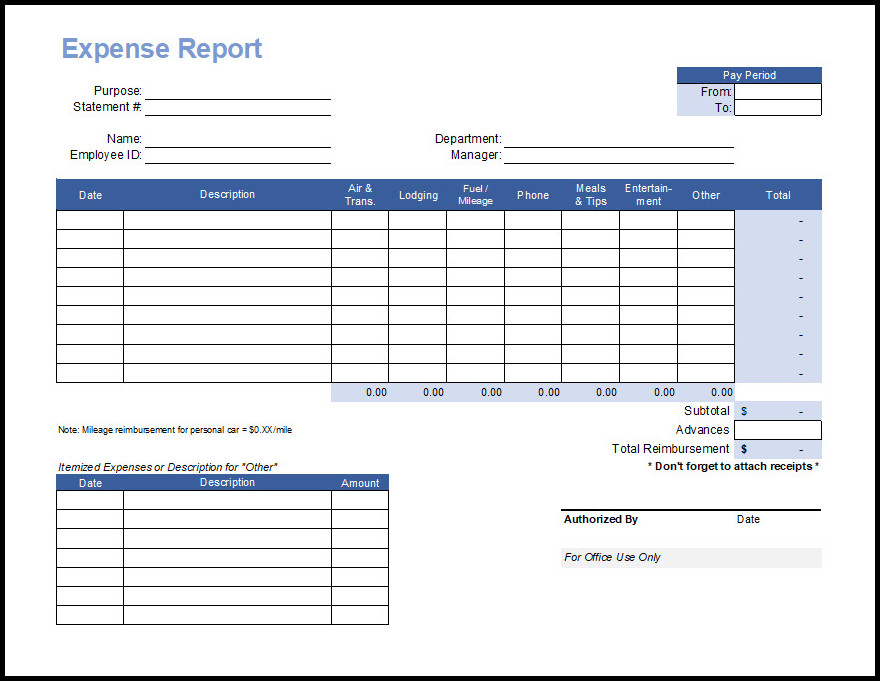
An expense report is a formal document used by employees to record business-related expenses incurred during work activities. These expenses are usually paid out-of-pocket by employees and later reimbursed by the employer after approval. Expense reports are commonly used for travel expenses, client meetings, office supplies, training programs, transportation, meals, lodging, and entertainment related to business operations.
The main purpose of an expense report is to create a transparent record of spending. Companies rely on these reports to track expenditures, prevent fraud, and ensure that employee purchases align with corporate policies. Expense reports are also important for tax documentation because many business expenses may qualify for deductions under applicable regulations.
Traditional expense reports were often paper-based and manually processed, requiring physical receipts and handwritten forms. However, digital transformation has significantly improved the process. Many organizations now use expense management software and mobile applications that allow employees to upload receipts, categorize expenses, and submit reports electronically. This shift reduces paperwork, minimizes human error, and speeds up reimbursements.
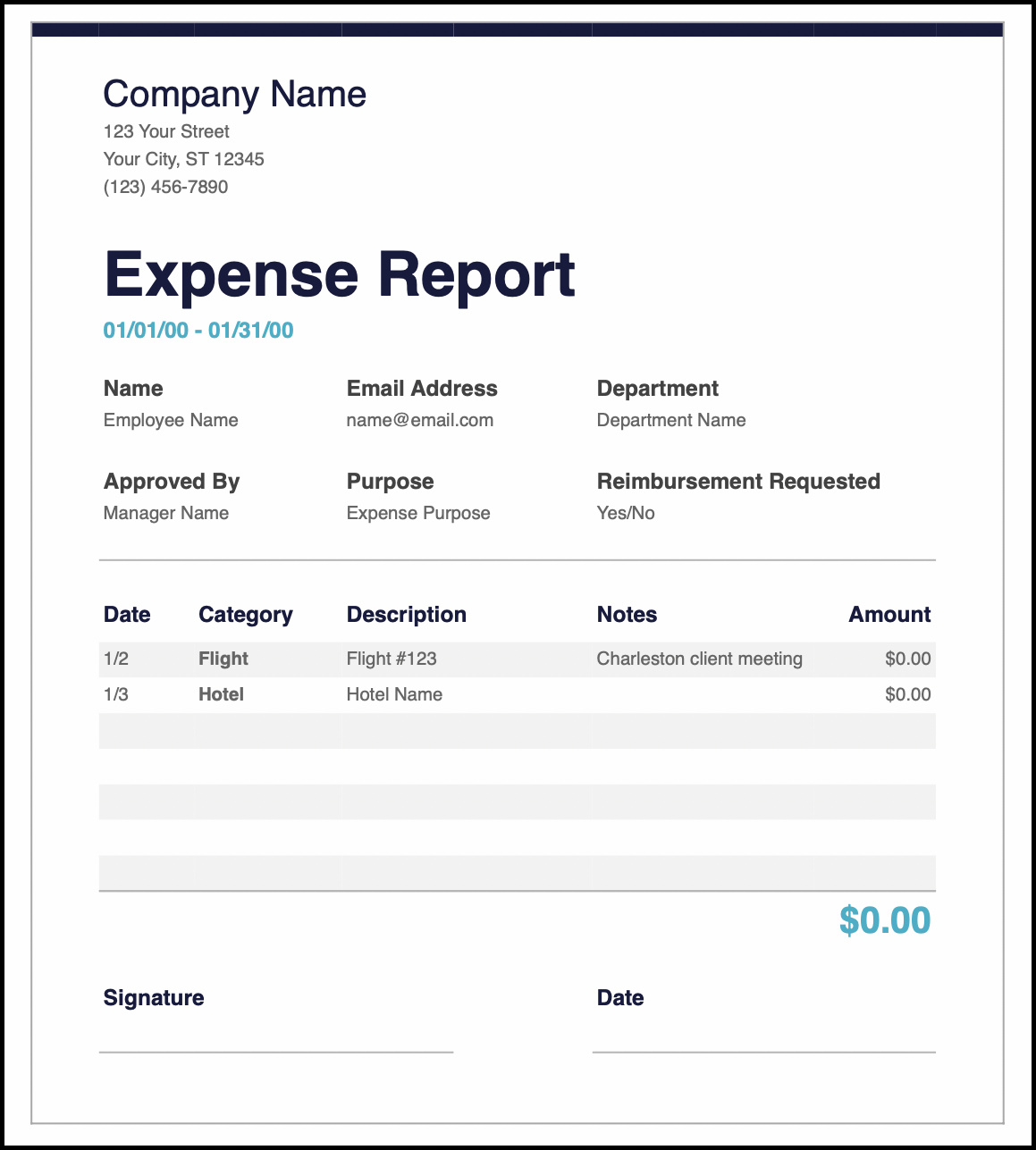
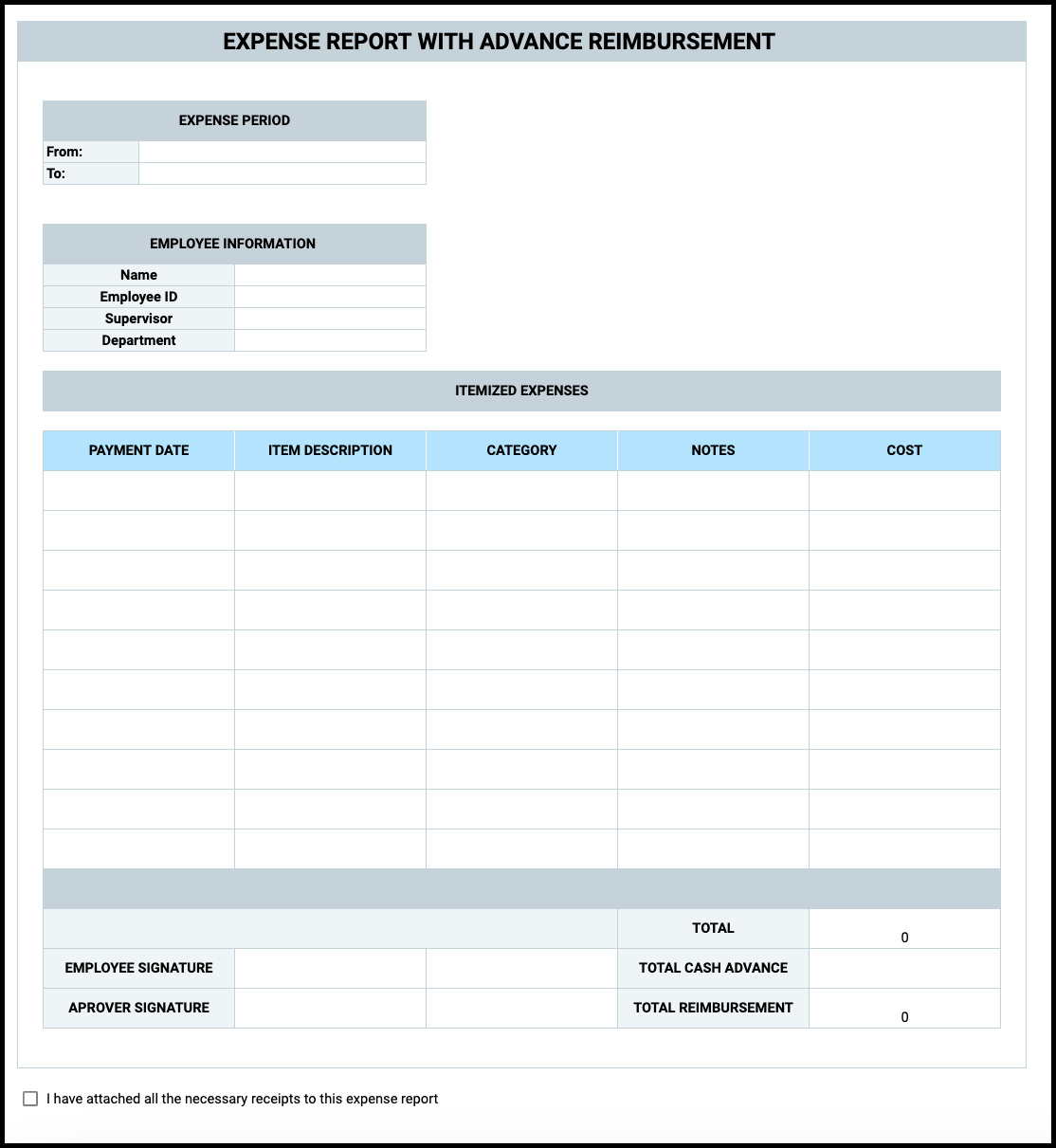
Expense reports typically include detailed information such as:
- Date of Expense. The exact date when the purchase or payment was made.
- Expense Category. Classification of the spending, such as travel, meals, accommodation, or office supplies.
- Amount Spent. The monetary value of the expense.
- Purpose of Expense. A description explaining why the expense was necessary for business activities.
- Receipts and Documentation. Proof of purchase used for verification and auditing purposes.
- Approval Signatures. Authorization from managers or finance departments confirming the legitimacy of the expense.
Expense reports are beneficial for both employees and employers. Employees receive reimbursement for valid business costs, while employers maintain control over organizational spending. In industries involving frequent travel or fieldwork, expense reports become especially important because they ensure financial consistency across departments and teams.
Moreover, expense reports support corporate accountability. Businesses can analyze spending trends, identify unnecessary costs, and create more effective budgeting strategies. For example, if a company notices rising travel expenses in quarterly reports, management can adjust travel policies or negotiate better rates with vendors.
Ultimately, expense reports are foundational financial tools that help organizations maintain operational efficiency while ensuring fairness and compliance in employee reimbursements.
Why Expense Reports Are Important for Businesses?
Expense reports are essential because they provide structure and accountability within financial operations. Without a reliable expense reporting system, businesses risk losing control over spending, creating reimbursement disputes, and exposing themselves to compliance issues. Proper expense management contributes directly to organizational stability and profitability.
One of the most significant advantages of expense reports is financial transparency. Every business transaction related to employee spending is documented clearly, reducing the possibility of hidden or unauthorized expenses. Transparency strengthens trust between employees and management while supporting accurate financial reporting.
Expense reports also help companies maintain compliance with tax regulations. Many governments require businesses to provide documentation for deductible expenses during tax filings or audits. Incomplete or inaccurate records may result in penalties, rejected deductions, or legal complications. By maintaining organized expense reports, companies can demonstrate compliance and reduce audit risks.
Another critical reason expense reports matter is budget management. Businesses often allocate budgets for departments, projects, and travel activities. Expense reports allow managers to compare actual spending against planned budgets. This comparison helps organizations identify overspending and make informed financial decisions.
Operational efficiency also improves through proper expense reporting. Digital expense management systems automate approval workflows, reimbursement calculations, and record storage. Automation reduces administrative burdens and accelerates reimbursement timelines, improving employee satisfaction.
Expense reports also assist in fraud prevention. Detailed documentation requirements discourage employees from submitting false claims or duplicate reimbursements. Many expense management platforms include automated policy checks that flag suspicious transactions or policy violations.
In addition, expense reports contribute to strategic planning. Companies can analyze historical spending data to identify patterns and opportunities for cost reduction. For example, organizations may discover that remote meetings reduce travel expenses significantly, encouraging more virtual collaboration.
Businesses that neglect expense reporting often face problems such as:
- Uncontrolled Spending. Lack of visibility into employee expenses can lead to financial waste.
- Delayed Reimbursements. Poor processes create frustration among employees waiting for repayments.
- Accounting Errors. Missing receipts or inaccurate calculations affect financial records.
- Tax Compliance Risks. Insufficient documentation may create legal or tax-related complications.
- Fraud and Misuse. Weak oversight increases opportunities for false expense claims.
By implementing structured expense reporting systems, businesses gain stronger financial control and improve operational accountability. Expense reports are not simply administrative tasks; they are strategic financial management tools that support sustainable business growth.
How to Create an Effective Expense Report
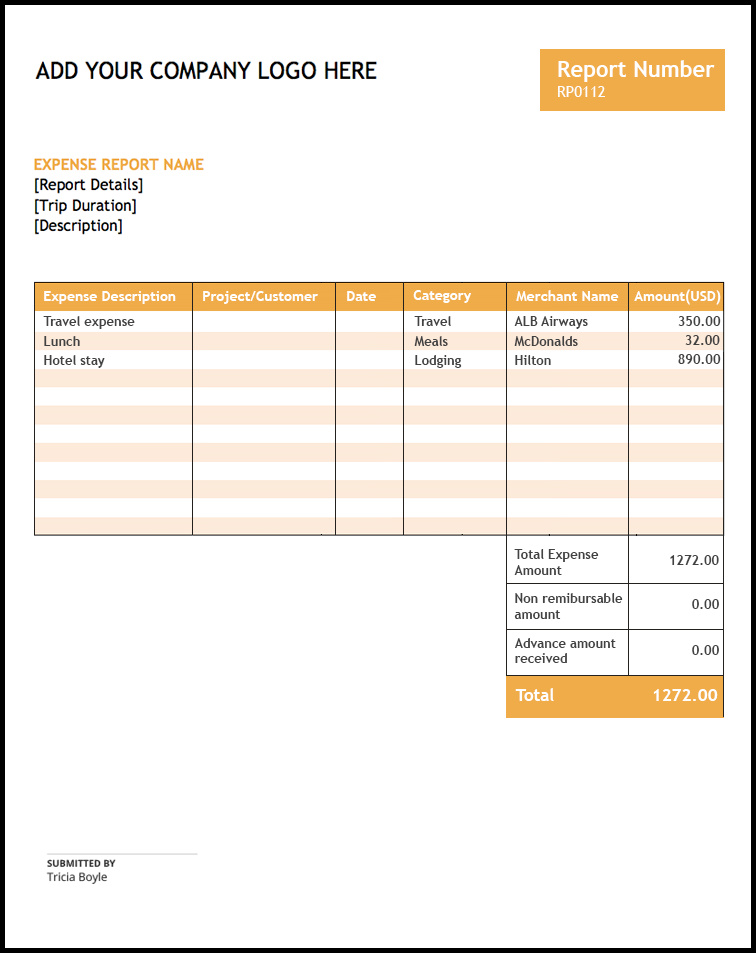
Creating an effective expense report requires accuracy, organization, and attention to detail. A well-prepared report simplifies approval processes and ensures timely reimbursement. Employees and finance departments both benefit when expense reports follow a standardized format.
The first step in creating an expense report is collecting all necessary receipts and supporting documents. Every business-related expense should have proof of purchase, such as invoices, receipts, digital confirmations, or transportation tickets. Keeping receipts organized from the beginning prevents missing information later.
Next, expenses should be categorized appropriately. Common categories include transportation, accommodation, meals, office supplies, entertainment, and communication expenses. Proper categorization helps finance teams track spending patterns and allocate costs accurately within accounting systems.
Employees should also provide clear explanations for each expense. Vague descriptions can delay approvals because managers may not understand the business purpose of the expenditure. For example, instead of writing “meal expense,” an employee should specify “client lunch meeting for project discussion.”
Accuracy is essential when entering amounts and dates. Even small mistakes can create accounting discrepancies or reimbursement delays. Employees should double-check calculations and ensure all currency conversions are accurate for international travel expenses.
Most businesses now use digital tools for expense reporting. Expense management software often includes features such as:
- Receipt Scanning. Employees can upload receipts directly through mobile apps.
- Automatic Expense Categorization. Software can classify expenses automatically.
- Approval Workflows. Reports move electronically through managers and finance teams.
- Policy Compliance Checks. Systems flag expenses that exceed company limits.
- Integration with Accounting Software. Expense data transfers directly into financial systems.
Another important aspect is submitting expense reports promptly. Delayed submissions create administrative complications and may affect monthly or quarterly financial statements. Many organizations establish deadlines requiring employees to submit reports within a certain timeframe after travel or project completion.
Managers reviewing expense reports should verify compliance with company policies before approving reimbursements. This process includes checking receipt authenticity, expense necessity, and adherence to spending limits.
Businesses can further improve expense reporting by creating clear policies that define reimbursable expenses, submission procedures, and approval requirements. Employees who understand expectations are more likely to submit accurate and complete reports.
Ultimately, effective expense reports streamline financial operations while supporting transparency, compliance, and employee satisfaction.
How Expense Reports Support Financial Management
Expense reports are closely connected to broader financial management strategies within organizations. They provide detailed insights into operational spending and help businesses maintain financial discipline. Without accurate expense reporting, organizations may struggle to control costs, forecast budgets, or identify wasteful spending patterns.
One major financial benefit of expense reports is improved budgeting accuracy. Historical expense data allows companies to estimate future costs more effectively. For example, organizations can analyze previous travel expenses to determine realistic budgets for upcoming business trips or conferences.
Expense reports also improve cash flow management. Businesses must monitor outgoing funds carefully to maintain liquidity. Detailed expense records help finance departments predict reimbursement obligations and avoid unexpected financial strain.
Another important contribution is supporting audits and financial reviews. Auditors often examine expense reports to verify that company spending aligns with policies and accounting standards. Well-organized reports reduce audit stress and demonstrate strong internal controls.
Expense reports can also reveal operational inefficiencies. By analyzing expense data, businesses may identify departments with unusually high spending or recurring unnecessary costs. This information enables management to implement corrective measures and optimize resources.
Technology has further enhanced the role of expense reports in financial management. Advanced analytics tools can generate insights from expense data, including spending trends, vendor usage, and reimbursement patterns. These insights support strategic decision-making and long-term planning.
Expense reporting also contributes to employee accountability. Employees become more mindful of spending when they know expenses must be documented and justified. This awareness often leads to more responsible financial behavior.
Companies with effective expense reporting systems frequently experience:
- Better Cost Control. Clear visibility into spending reduces unnecessary expenses.
- Faster Financial Reporting. Organized data improves accounting efficiency.
- Enhanced Decision-Making. Detailed spending analysis supports strategic planning.
- Improved Compliance. Accurate records simplify tax and audit processes.
- Higher Employee Trust. Efficient reimbursement systems improve workplace satisfaction.
In competitive industries, financial management can determine long-term success. Expense reports provide the detailed operational data businesses need to remain financially stable and strategically agile.
Tips for Successful Expense Report Management
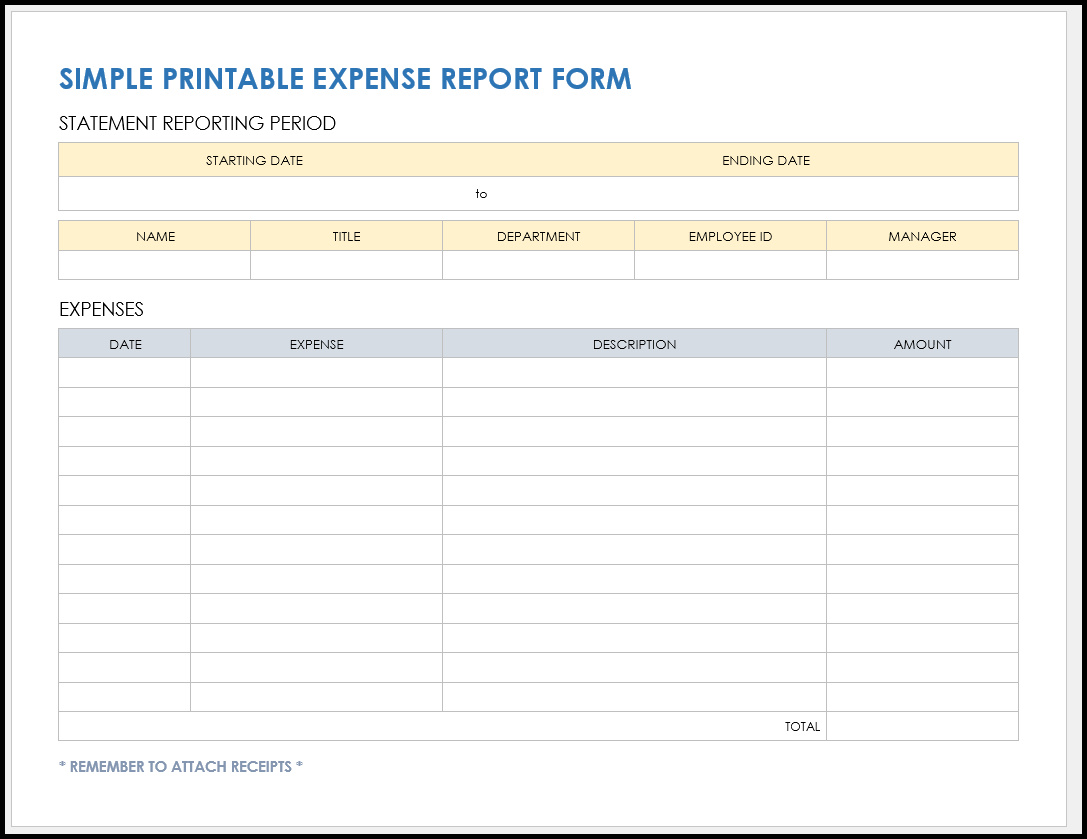
Managing expense reports successfully requires clear processes, reliable technology, and employee cooperation. Organizations that establish efficient expense management practices often reduce administrative burdens while improving accuracy and compliance.
1. Establish Clear Expense Policies
Businesses should create detailed expense policies outlining reimbursable expenses, spending limits, approval procedures, and submission deadlines. Clear guidelines reduce confusion and help employees understand expectations. Policies should be updated regularly to reflect changing business needs and travel conditions.
2. Encourage Timely Submissions
Employees should submit expense reports as soon as possible after incurring expenses. Prompt submissions improve accounting accuracy and ensure faster reimbursements. Delayed reports often lead to lost receipts and incomplete documentation.
3. Use Digital Expense Management Software
Modern expense management systems simplify reporting processes through automation and mobile accessibility. Digital platforms reduce paperwork, improve accuracy, and speed up approvals. Cloud-based systems also provide secure storage for receipts and financial records.
4. Require Detailed Documentation
Every expense should include supporting documentation and a clear business purpose. Detailed records strengthen accountability and reduce the likelihood of disputes or rejected claims.
5. Train Employees Regularly
Training programs help employees understand expense policies and reporting procedures. New employees especially benefit from onboarding sessions explaining reimbursement rules and software usage.
6. Monitor Spending Trends
Finance departments should analyze expense reports regularly to identify unusual spending patterns or opportunities for cost savings. Monitoring trends supports strategic budgeting and operational efficiency.
7. Implement Approval Workflows
Structured approval workflows ensure that managers review expenses before reimbursements are processed. Multi-level approvals may be necessary for large expenditures or executive travel expenses.
8. Conduct Periodic Audits
Regular audits help businesses verify compliance with expense policies and detect fraudulent claims. Audits also identify process weaknesses that may require improvement.
Common Challenges in Expense Reporting
Despite the benefits of expense reports, many organizations face challenges in managing them effectively. One common issue is missing or incomplete receipts. Employees may lose documentation during travel or fail to collect receipts for smaller purchases, creating difficulties during reimbursement reviews.
Another challenge is inconsistent policy compliance. Employees may misunderstand reimbursement rules or accidentally submit expenses outside approved categories. Without proper training and communication, policy violations become more frequent.
Manual processing is another significant obstacle. Paper-based expense systems require substantial administrative effort and increase the risk of errors. Finance teams often spend excessive time reviewing reports, verifying receipts, and entering data manually.
Fraudulent expense claims also present risks for businesses. Examples include duplicate submissions, exaggerated expenses, or personal purchases disguised as business costs. Strong oversight and automated compliance checks help reduce these risks.
International business travel introduces additional complexities such as currency conversion, varying tax regulations, and language barriers in receipts and invoices. Companies operating globally often require advanced expense management systems capable of handling multiple currencies and tax requirements.
Another common challenge is delayed reimbursements. Employees who wait too long for repayments may become dissatisfied, affecting morale and productivity. Efficient approval workflows and automation help address this issue.
Organizations can overcome these challenges by investing in technology, strengthening internal controls, and maintaining transparent communication regarding expense policies and procedures.
The Future of Expense Reports in Modern Business
The future of expense reporting is increasingly shaped by automation, artificial intelligence, and digital transformation. Businesses are moving away from traditional manual processes and adopting intelligent systems that simplify expense management while improving accuracy.
Artificial intelligence is already transforming expense reporting by automating receipt scanning, expense categorization, and policy compliance checks. AI-powered systems can detect anomalies, flag suspicious transactions, and reduce administrative workloads significantly.
Mobile technology is another major trend. Employees can now capture receipts instantly using smartphones, submit reports remotely, and receive reimbursement updates in real time. This flexibility is especially valuable for remote workers and traveling professionals.
Integration capabilities are also improving. Modern expense management platforms connect seamlessly with accounting software, payroll systems, and corporate credit card programs. These integrations create unified financial ecosystems that improve efficiency and data accuracy.
Data analytics will continue playing a larger role in expense management. Businesses can use expense data to identify spending trends, negotiate vendor discounts, and optimize travel strategies. Predictive analytics may even help companies forecast future expense patterns more accurately.
Sustainability is becoming another important consideration. Digital expense reporting reduces paper usage and supports environmentally friendly business practices. Companies seeking greener operations increasingly favor paperless financial workflows.
Security and compliance technologies are also evolving. Advanced encryption, multi-factor authentication, and automated audit trails help protect sensitive financial information while ensuring regulatory compliance.
- Automation. AI and machine learning reduce manual processing and improve efficiency.
- Mobile Accessibility. Employees can manage expenses from anywhere using smartphones.
- Real-Time Reporting. Businesses gain immediate visibility into spending activities.
- Advanced Analytics. Companies can make strategic decisions using detailed expense insights.
- Enhanced Security. Digital systems provide stronger protection for financial data.
- Environmental Sustainability. Paperless reporting reduces waste and supports eco-friendly operations.
Conclusion
Expense reports are essential financial tools that support transparency, accountability, and operational efficiency within businesses of all sizes. From tracking travel expenses to ensuring accurate reimbursements and maintaining compliance with tax regulations, expense reports play a vital role in modern financial management. Companies that implement effective expense reporting systems benefit from improved budgeting, stronger internal controls, and better decision-making capabilities.
As technology continues to evolve, expense reporting processes are becoming faster, smarter, and more integrated. Automation, mobile accessibility, and data analytics are transforming how organizations manage employee expenses and financial records. Businesses that embrace these innovations can reduce administrative burdens, improve employee satisfaction, and strengthen financial performance.
Ultimately, successful expense report management requires clear policies, accurate documentation, timely submissions, and reliable technology. Organizations that prioritize these practices position themselves for long-term financial stability and operational success in an increasingly competitive business environment.
