What is a Frayer Model?
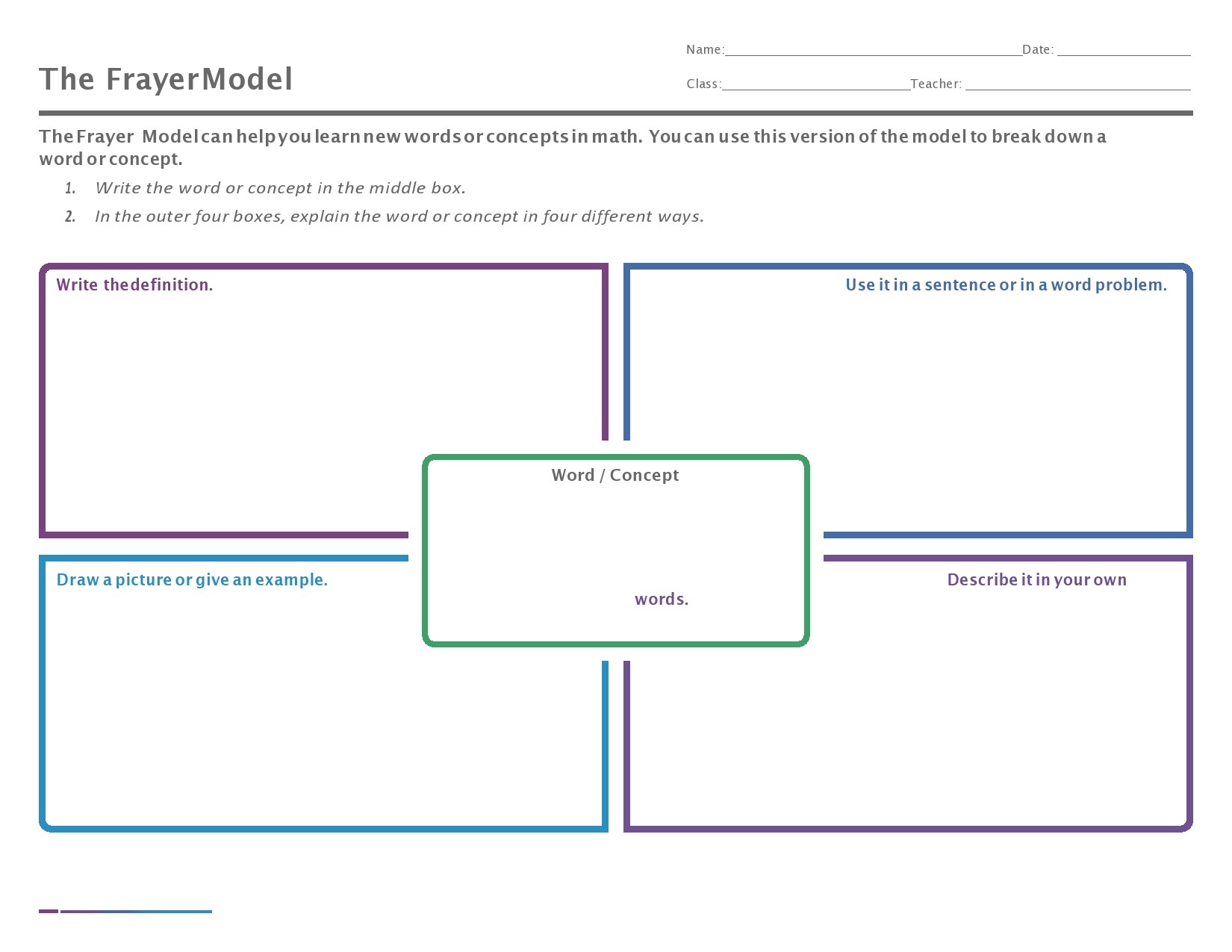
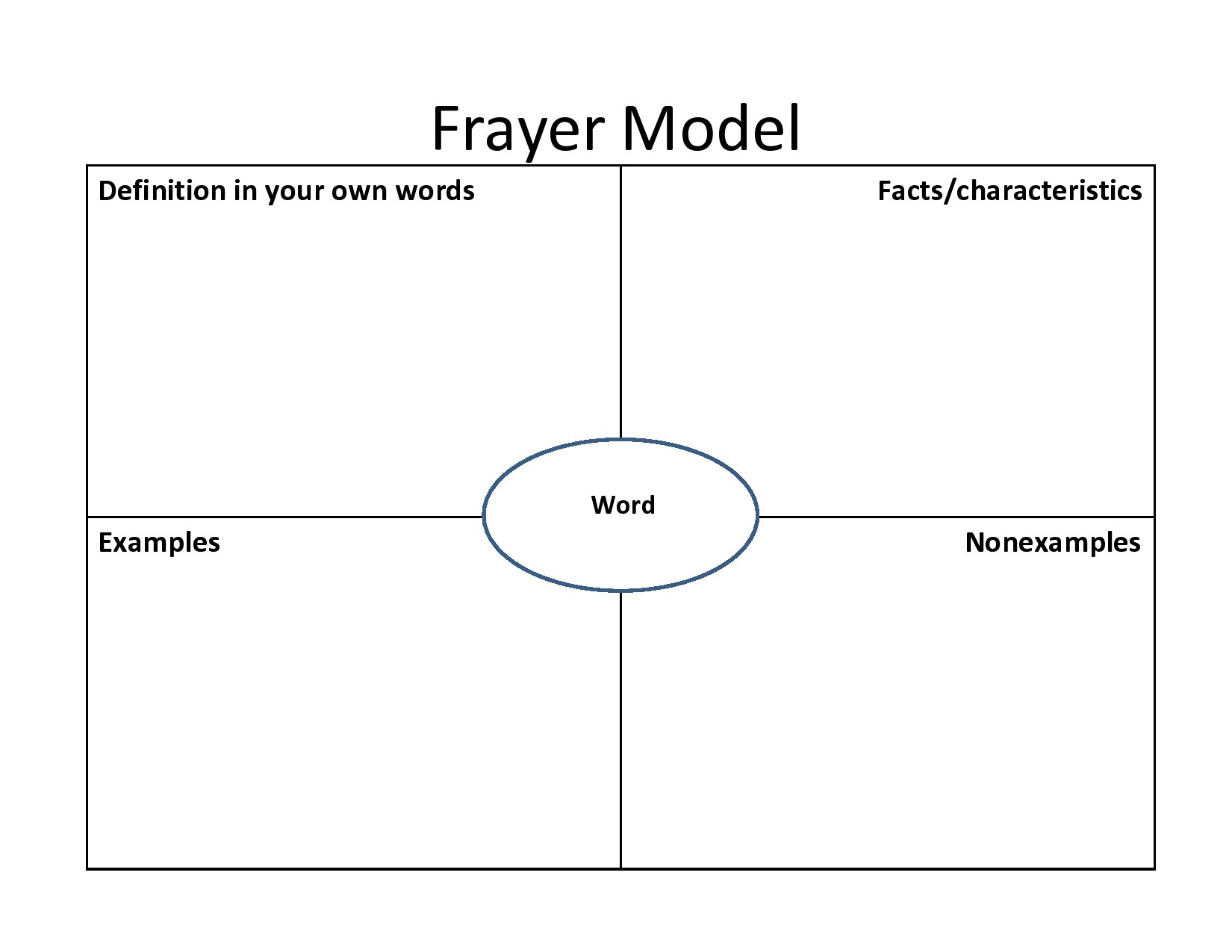
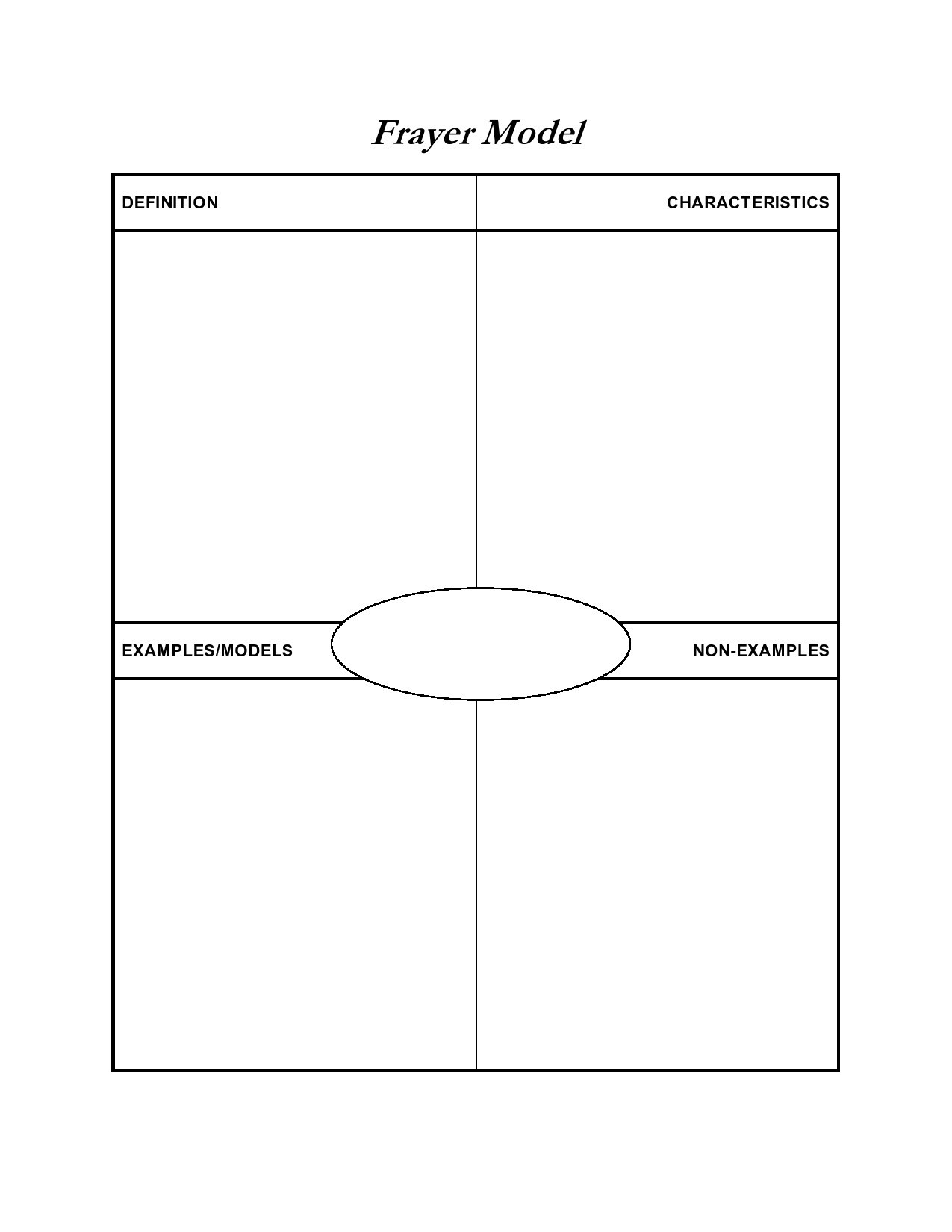
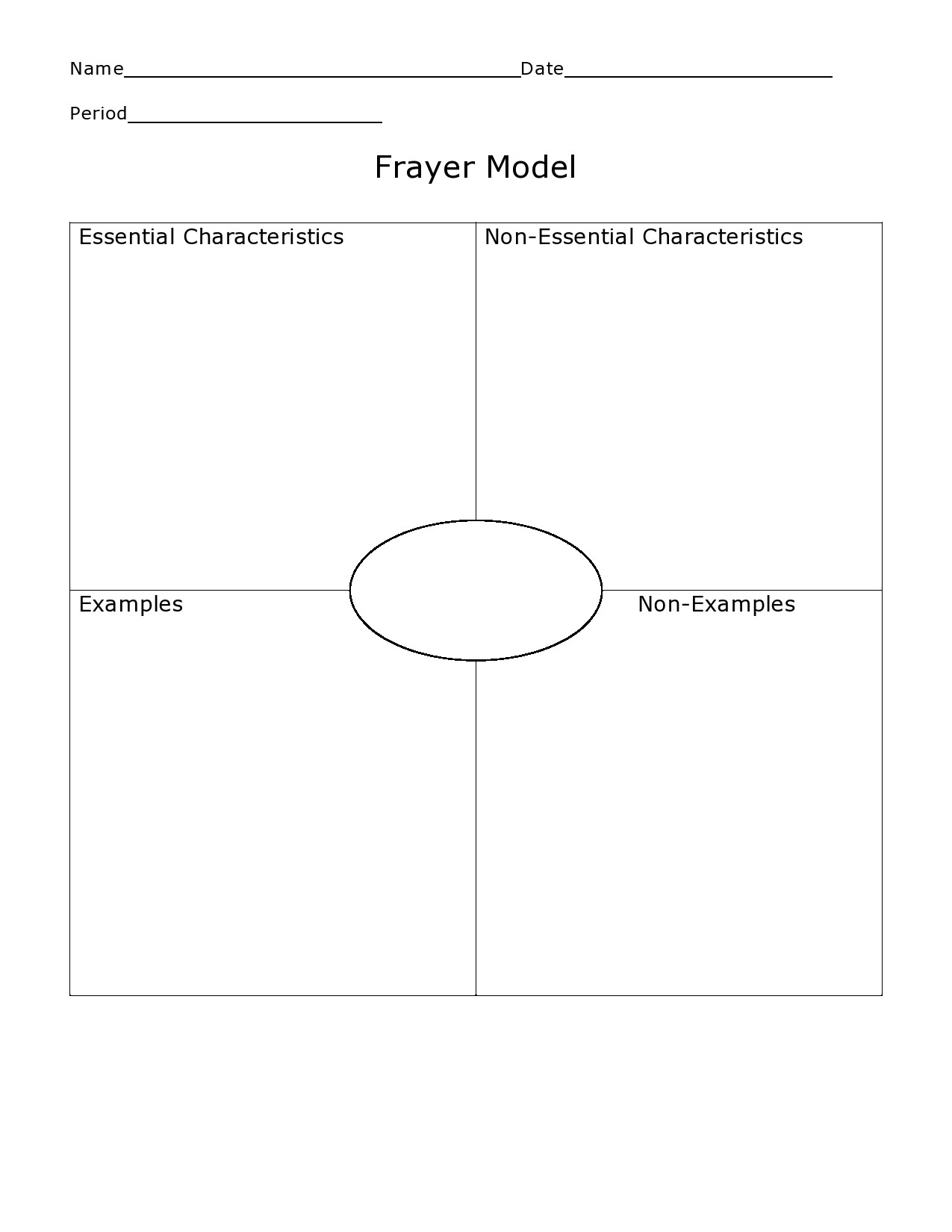
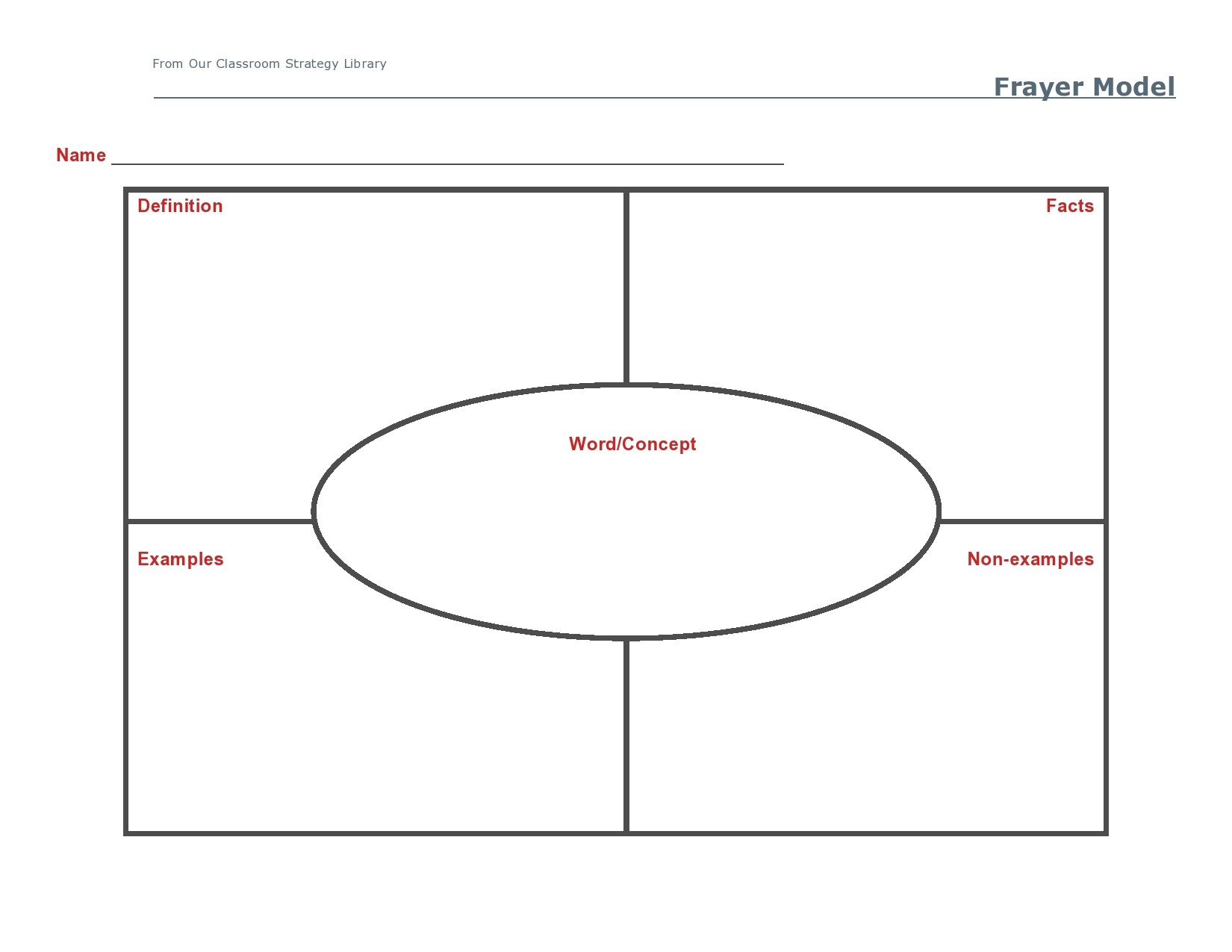
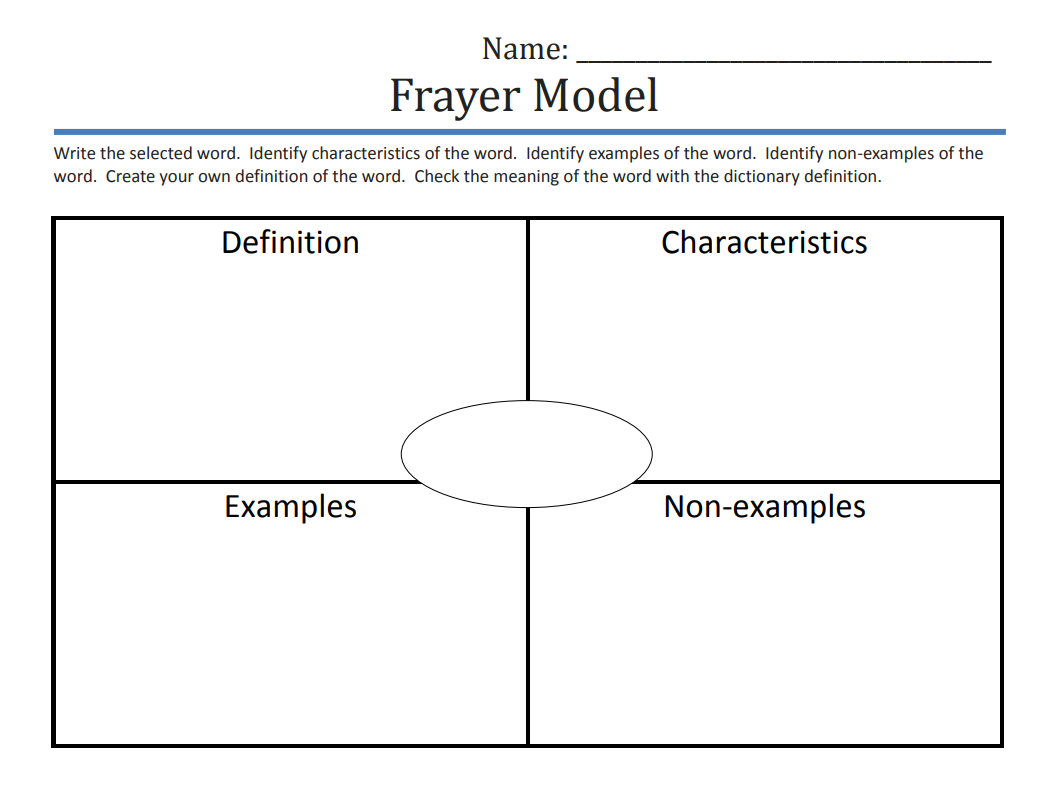
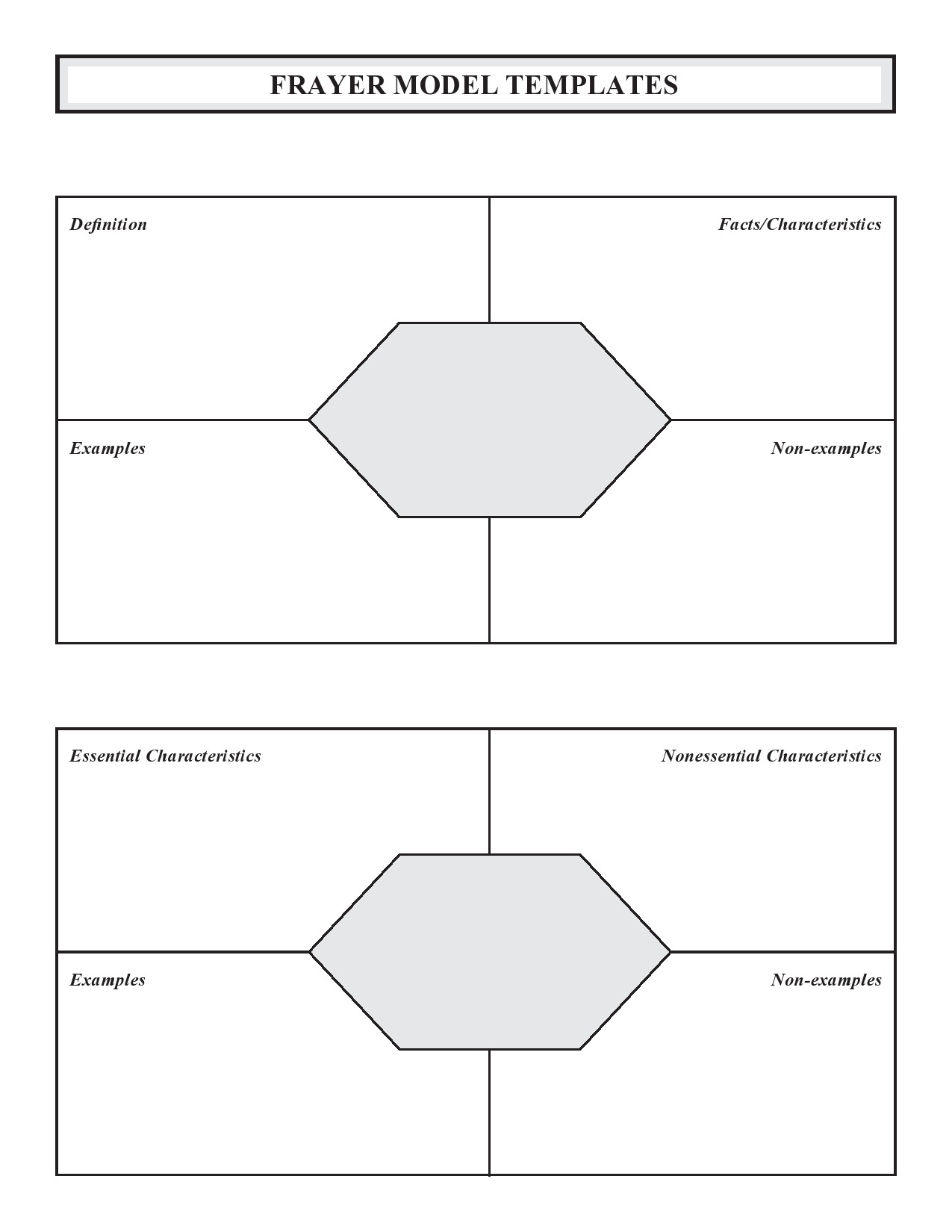
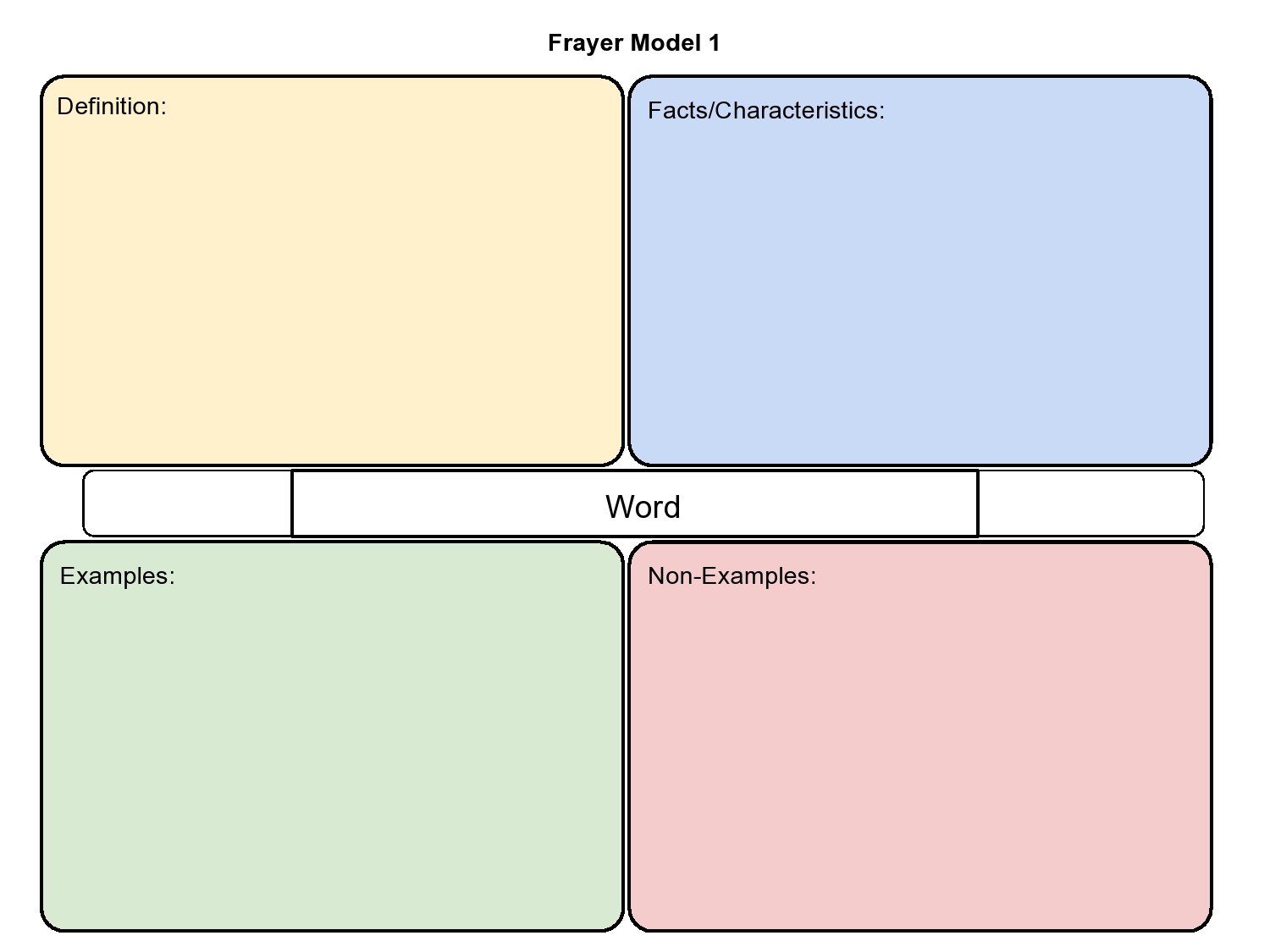
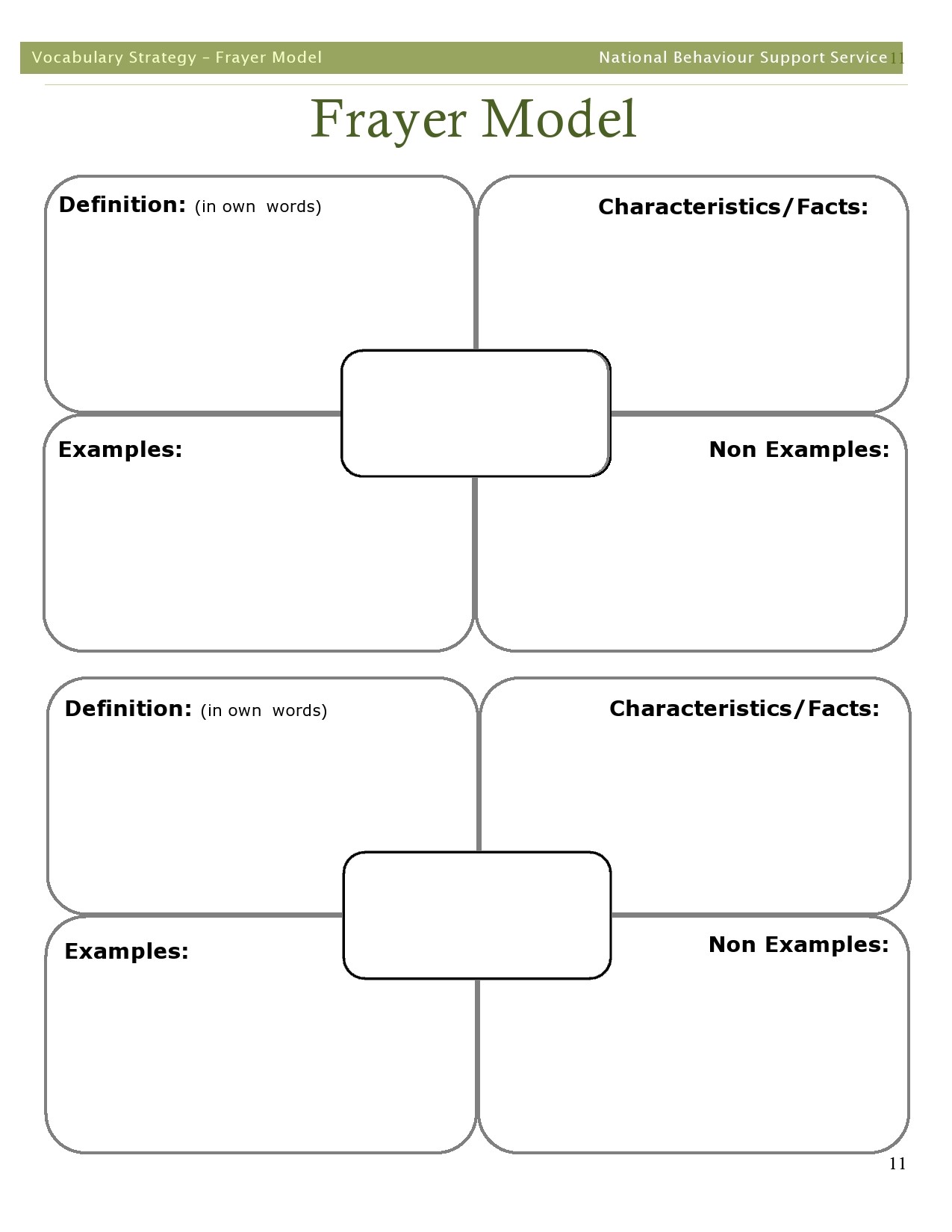
The Frayer Model is a versatile graphic organizer that educators can use to help students deepen their understanding of vocabulary words and concepts. It consists of four quadrants: definition, characteristics, examples, and non-examples. In the definition quadrant, students write the meaning or definition of the term. The characteristics quadrant is where students list the attributes or qualities of the term. The examples quadrant includes instances where the term can be applied, while the non-examples quadrant lists situations where the term doesn’t apply.
The Definition Quadrant
The definition quadrant of the Frayer Model is where students provide the basic meaning or definition of the term they are exploring. This step requires students to think carefully about the essence of the term and distill it into a clear and concise statement. By defining the term, students are laying the foundation for their understanding of the concept.
In this quadrant, students should avoid simply copying a definition from a dictionary or textbook. Instead, they should attempt to explain the term in their own words, using language that makes sense to them. This process helps students internalize the meaning of the term and connect it to their existing knowledge base.
When filling out the definition quadrant, students may also include any contextual information that helps clarify the meaning of the term. This could involve providing examples of how the term is used in a sentence or explaining its significance in a particular context. By contextualizing the definition, students can deepen their understanding of the term.
The Characteristics Quadrant
In the characteristics quadrant of the Frayer Model, students identify and describe the key attributes or properties of the term they are studying. This step requires students to think beyond the basic definition of the term and consider what makes it unique or distinctive. By delineating the characteristics of the term, students gain a more nuanced understanding of its implications.
When filling out the characteristics quadrant, students should brainstorm a list of qualities or features that are associated with the term. This could involve considering the function, appearance, behavior, or other defining aspects of the term. Encouraging students to think critically about the characteristics of the term helps them develop a more comprehensive understanding of its significance.
Students may also include examples or anecdotes that illustrate the characteristics of the term in action. By providing concrete instances where the term is relevant, students can solidify their grasp of its implications and applications. This step helps students connect the characteristics of the term to real-world situations.
The Examples Quadrant
The examples quadrant of the Frayer Model is where students list instances or scenarios where the term can be applied. This step requires students to demonstrate their understanding of the term by providing concrete examples that illustrate its usage in context. By exploring examples, students deepen their comprehension of how the term functions in various situations.
When completing the examples quadrant, students should consider a range of scenarios where the term is relevant. This could involve drawing from personal experiences, academic contexts, or real-world applications. By diversifying the examples they provide, students can appreciate the versatility and applicability of the term.
Students may also include explanations or elaborations that clarify why each example is relevant to the term. By providing context for the examples they list, students can demonstrate their understanding of how the term is used in practice. This step helps students connect the abstract definition of the term to concrete instances of its application.
The Non-Examples Quadrant
In the non-examples quadrant of the Frayer Model, students identify situations or contexts where the term does not apply. This step requires students to think critically about the boundaries and limitations of the term, as well as its distinguishing features. By exploring non-examples, students refine their understanding of the term by considering what it is not.
When populating the non-examples quadrant, students should brainstorm scenarios or conditions that do not align with the term in question. This could involve thinking about exceptions, contradictions, or counterexamples that demonstrate the boundaries of the term’s definition. By delineating non-examples, students enhance their comprehension of the term’s scope and applicability.
Students may also include explanations or justifications for why each non-example is irrelevant to the term. By articulating the differences between the term and its non-examples, students can clarify their understanding of the term’s defining characteristics. This step helps students sharpen their conceptual boundaries and refine their grasp of the term.
Examples
Benefits of Using a Frayer Model
There are numerous benefits to incorporating the Frayer Model into your teaching practices. By engaging students in a structured exploration of vocabulary words and concepts, the Frayer Model encourages critical thinking, analysis, and synthesis of knowledge. Some key advantages of using the Frayer Model include:
Deep Understanding
One of the primary benefits of the Frayer Model is that it promotes deep understanding of vocabulary words and concepts. By requiring students to think critically about the definition, characteristics, examples, and non-examples of a term, the Frayer Model encourages them to engage with the material on a deeper level. This process helps students move beyond surface-level memorization to develop a more profound comprehension of the subject matter.
When students engage with a term through the Frayer Model, they are forced to consider its multiple facets and applications. This holistic approach to learning enables students to connect the term to their existing knowledge and experiences, enhancing their overall understanding of the concept. By encouraging students to explore the nuances and implications of a term, the Frayer Model fosters a more comprehensive and nuanced understanding of vocabulary and concepts.
Critical Thinking
Another key benefit of the Frayer Model is that it promotes critical thinking skills. By requiring students to analyze the definition, characteristics, examples, and non-examples of a term, the Frayer Model challenges them to think deeply about the material. This process encourages students to evaluate the implications of a term, consider its applications in various contexts, and assess its significance within a broader framework of knowledge.
When students engage with a term using the Frayer Model, they are prompted to question and evaluate the information presented to them. This critical approach to learning helps students develop their analytical skills, assess the validity of different perspectives, and construct well-reasoned arguments. By encouraging students to think critically about the definition, characteristics, examples, and non-examples of a term, the Frayer Model cultivates a culture of inquiry and intellectual rigor.
Retention
The Frayer Model is an effective tool for enhancing retention of vocabulary words and concepts. By engaging students in a structured exploration of a term, the Frayer Model helps solidify their understanding and memory of the material. This active engagement with the material promotes long-term retention by encouraging students to connect new information to their existing knowledge base.
When students use the Frayer Model to explore a term, they are actively involved in the learning process. This hands-on approach to studying enhances retention by promoting active engagement with the material, reinforcing connections between different aspects of the term, and encouraging students to revisit and review the information multiple times. By providing a comprehensive framework for exploring a term, the Frayer Model helps students internalize the material and commit it to memory.
Engagement
The interactive nature of the Frayer Model makes it an engaging and dynamic tool for student learning. By providing a structured framework for exploring vocabulary words and concepts, the Frayer Model keeps students actively involved in the learning process. This hands-on approach to studying promotes student engagement by encouraging them to think critically, analyze information, and apply their knowledge in various contexts.
When students use the Frayer Model to explore a term, they are actively engaged in the material and encouraged to participate in the learning process. This interactive approach to studying fosters a sense of ownership over the material, empowers students to take charge of their learning, and promotes a positive attitude towards academic tasks. By providing a structured and interactive framework for exploring vocabulary words and concepts, the Frayer Model enhances student engagement and motivation.
Application
The Frayer Model is an effective tool for promoting the application of knowledge in real-world contexts. By requiring students to provide examples and non-examples of a term, the Frayer Model encourages them to apply their understanding in practical situations. This process helps students connect abstract concepts to concrete instances, enhancing their ability to transfer and apply their knowledge in diverse settings.
When students use the Frayer Model to explore a term, they are prompted to think about how the concept can be applied in different contexts. This application-oriented approach to learning helps students develop their problem-solving skills, critical thinking abilities, and creativity. By encouraging students to consider examples and non-examples of a term, the Frayer Model empowers them to think beyond rote memorization and instead analyze, synthesize, and apply their knowledge in meaningful ways.
How to Use a Frayer Model
Using a Frayer Model in your classroom is a straightforward process that can yield significant benefits for student learning. By following a few simple steps, educators can effectively incorporate the Frayer Model into their teaching practices and help students deepen their understanding of vocabulary words and concepts. Here are some guidelines for using a Frayer Model effectively:
Choose a Term or Concept
The first step in using a Frayer Model is to select a term or concept that you want your students to explore in depth. This could be a vocabulary word, a key idea, or a complex concept that is central to
the lesson. When choosing a term or concept, consider its relevance to the curriculum, its complexity, and its potential for sparking student interest and engagement. Selecting a term that is meaningful and significant to the students can enhance their motivation to engage with the material and deepen their understanding.
Introduce the Frayer Model
Once you have chosen a term or concept, introduce the Frayer Model to your students. Explain the purpose of the Frayer Model and how it can help them deepen their understanding of the term. Provide a brief overview of the four quadrants – definition, characteristics, examples, and non-examples – and clarify the role of each quadrant in the exploration process.
Model the Process
Before asking students to complete their own Frayer Models, model the process for them. Choose a term and fill out a Frayer Model as a class, discussing each quadrant and explaining your thought process as you complete it. This demonstration helps students understand how to approach the task and provides them with a clear example to follow.
Encourage Collaboration
Consider incorporating collaborative activities into the Frayer Model process. Have students work in pairs or small groups to complete a Frayer Model together, encouraging them to discuss and debate the definition, characteristics, examples, and non-examples of the term. Collaboration enhances student engagement, fosters communication skills, and promotes deeper understanding through peer interaction.
Provide Guidance and Feedback
As students work on their Frayer Models, circulate around the classroom and provide guidance and feedback. Encourage students to think critically about the term, ask questions to stimulate their thinking, and offer suggestions for refining their responses. Providing timely feedback helps students clarify their understanding, address misconceptions, and deepen their engagement with the material.
Facilitate Discussion
After students have completed their Frayer Models, facilitate a class discussion to debrief and share insights. Encourage students to present their findings, explain their reasoning, and engage in dialogue with their peers. This discussion allows students to compare and contrast their interpretations, clarify any points of confusion, and deepen their understanding through collaborative exchange.
Reflect and Review
After using the Frayer Model in your lesson, take time to reflect on the experience and review the outcomes. Consider what worked well, what could be improved, and how the Frayer Model impacted student learning. Reflecting on your practice helps you refine your teaching strategies, adapt the use of the Frayer Model to better meet student needs, and enhance the overall effectiveness of the instructional approach.
When to Use a Frayer Model
The Frayer Model is a versatile tool that can be adapted to various teaching contexts and subject areas. Knowing when to use a Frayer Model can help educators maximize its benefits and enhance student learning outcomes. Here are some scenarios where you might consider using a Frayer Model in your teaching:
Introductory Lessons
Use the Frayer Model to introduce new vocabulary words or key concepts at the beginning of a unit or lesson. The structured exploration provided by the Frayer Model helps students build a solid foundation of understanding for the upcoming material. By engaging with the vocabulary words or concepts in a meaningful way from the start, students are better prepared to tackle more complex content later on.
Review Sessions
Incorporate the Frayer Model into review sessions to help students consolidate their learning and reinforce their understanding of previously covered material. The process of revisiting the definition, characteristics, examples, and non-examples of a term can help students refresh their memory, identify areas of weakness, and solidify their comprehension before assessments or exams.
Assessment Preparation
Have students create Frayer Models as a study tool to prepare for assessments and exams. By engaging with the material in a structured and interactive way, students can review key concepts, reinforce their understanding, and identify any gaps in their knowledge. Using the Frayer Model as a study aid empowers students to take an active role in their learning and enhances their ability to recall and apply the material when needed.
Group Work
Utilize the Frayer Model in group work activities to promote collaboration, communication, and critical thinking skills. Assigning a term for students to explore together using the Frayer Model encourages teamwork, fosters discussion and debate, and enhances peer learning. Working collaboratively on a Frayer Model allows students to benefit from diverse perspectives, deepen their understanding through dialogue, and develop their ability to articulate and defend their ideas.
Critical Thinking Exercises
Assign Frayer Models as critical thinking exercises to challenge students to think deeply about a term and consider its implications from multiple angles. By requiring students to analyze the definition, characteristics, examples, and non-examples of a term, the Frayer Model prompts them to engage in higher-order thinking, evaluate evidence, and construct reasoned arguments. Using the Frayer Model as a critical thinking exercise helps students develop their analytical skills, hone their problem-solving abilities, and cultivate a more sophisticated understanding of complex concepts.
Frayer Model Template – Download
