Securing funding for a project or program can be a daunting task, but with a well-crafted grant proposal, you can increase your chances of receiving financial support. A grant proposal is a formal document that outlines the need, objectives, methodology, budget, and expected outcomes of a project. It serves as a persuasive argument for why the project is essential and deserving of investment, while also demonstrating the organization’s credibility and capacity to achieve results.
In this article, we will delve into the essential components of a successful grant proposal and provide valuable tips on how to craft a compelling narrative that resonates with funders.
What is a Grant Proposal?
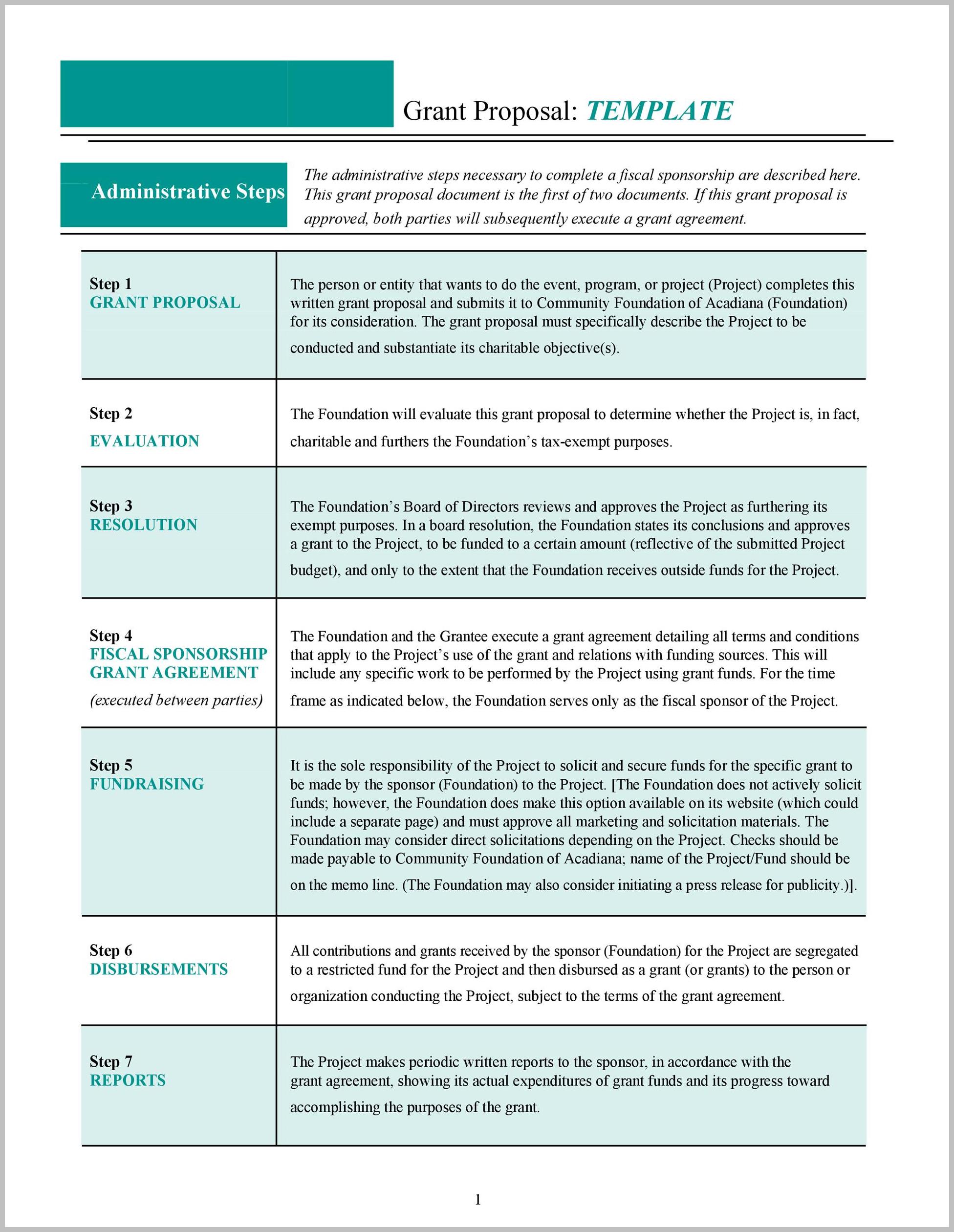
A grant proposal is a written document that organizations submit to potential funders to request financial support for a specific project or program. It serves as a roadmap for the project, outlining its objectives, methods, budget, and expected outcomes. A well-written grant proposal not only explains the project’s need but also demonstrates the organization’s expertise and track record of delivering results. Ultimately, a grant proposal aims to persuade funders that the project is worthy of investment and that their support will lead to positive, measurable outcomes.
Why are Grant Proposals Important?
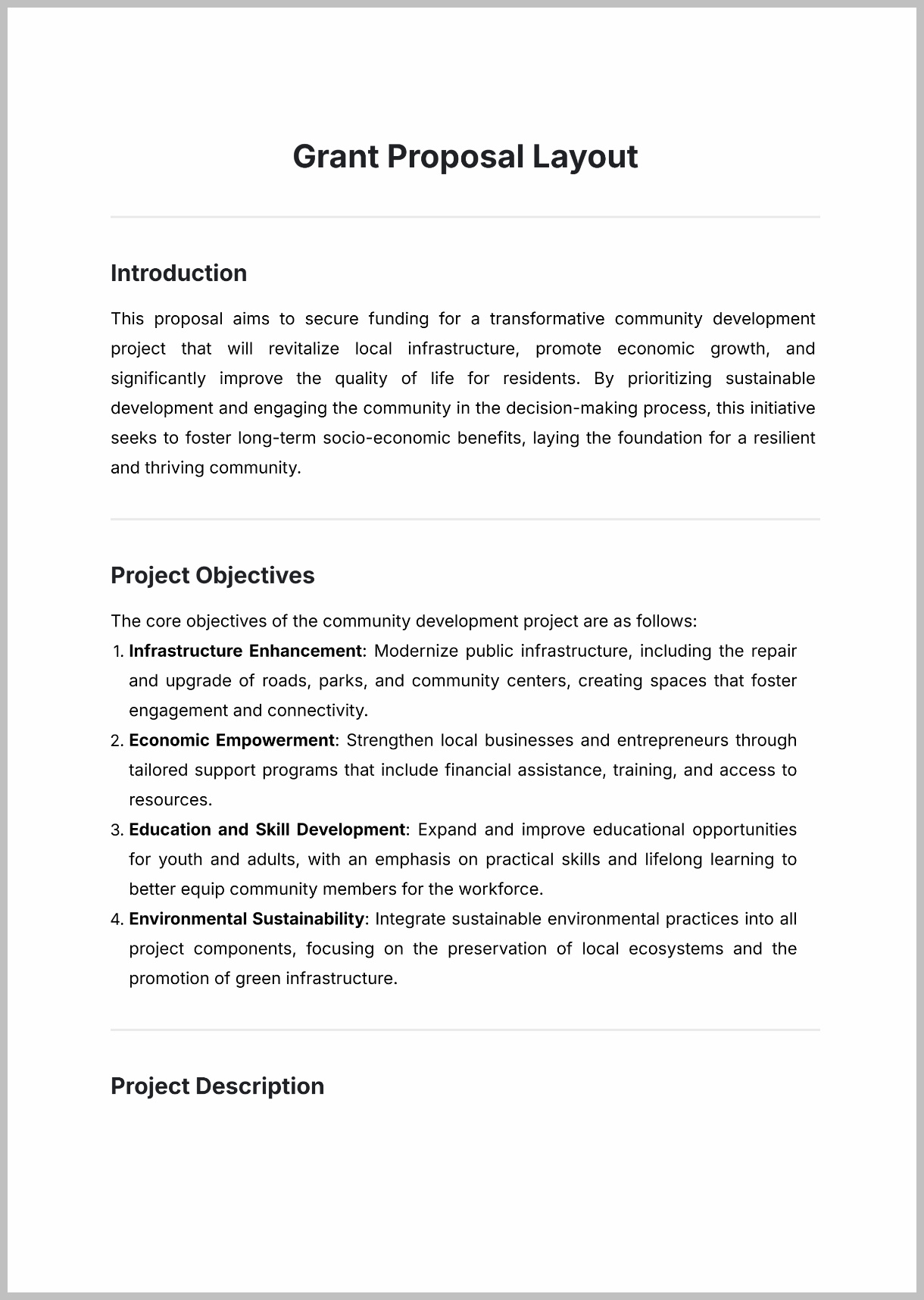
Grant proposals play a crucial role in securing funding for nonprofit organizations, academic institutions, and other entities seeking financial support for their initiatives. By clearly outlining the need for the project, its goals, methodology, and expected outcomes, grant proposals provide funders with a comprehensive understanding of the project and its potential impact. Additionally, a well-crafted grant proposal demonstrates the organization’s credibility, capacity, and commitment to achieving results, which can instill confidence in funders and increase the likelihood of receiving funding.
What to Include in a Grant Proposal
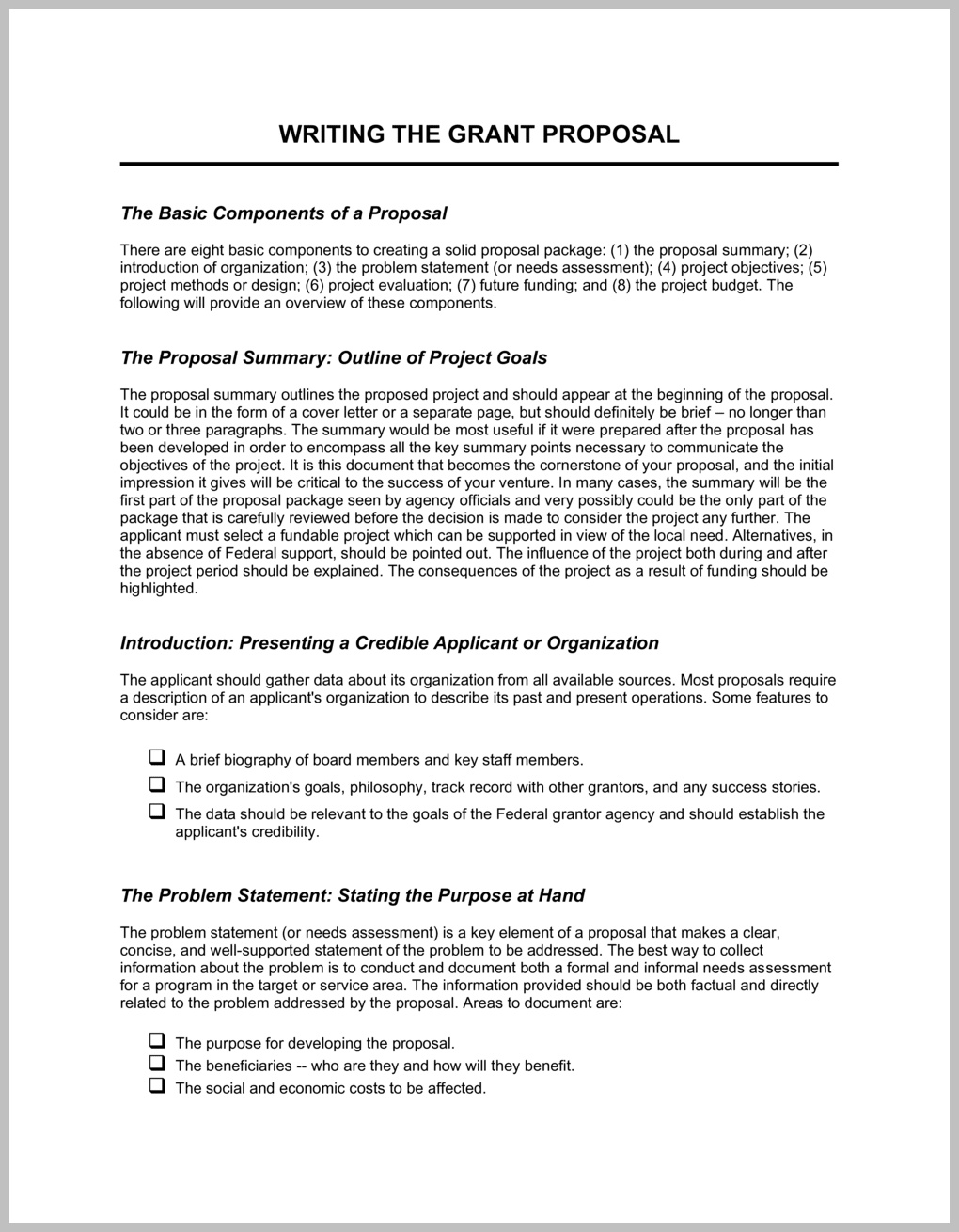
When writing a grant proposal, it is essential to include the following key components:
- Executive Summary: Provide a concise overview of the project, highlighting its significance and expected outcomes.
- Statement of Need: Clearly articulate the problem or issue that the project aims to address and why it is important.
- Goals and Objectives: Define the specific goals and measurable objectives of the project.
- Methodology: Describe the approach, activities, and timeline for implementing the project.
- Budget: Present a detailed budget that outlines the costs associated with the project and justifies the funding request.
How to Write a Compelling Grant Proposal
Writing a compelling grant proposal requires careful planning, research, and attention to detail. Here are some tips to help you craft a persuasive and effective proposal:
1. Know Your Audience
Before writing your grant proposal, research the funder to understand their priorities, funding guidelines, and preferences. Tailor your proposal to align with the funder’s mission and objectives to increase your chances of success.
2. Tell a Compelling Story
Use storytelling techniques to engage funders and convey the impact of your project. Highlight real-life examples, testimonials, and data to make your proposal more compelling and memorable.
3. Demonstrate Impact
Clearly articulate the potential impact and outcomes of your project. Use data, statistics, and evidence to demonstrate the need for the project and the positive change it will bring about.
4. Provide a Strong Budget Justification
Ensure that your budget is realistic, detailed, and aligned with the goals and activities of the project. Clearly justify each expense and explain how the funding will be used to achieve the desired outcomes.
5. Follow Submission Guidelines
Pay close attention to the funder’s submission guidelines and requirements. Ensure that your proposal is well-organized, formatted correctly, and submitted on time to increase your chances of being considered for funding.
Conclusion
Writing a compelling grant proposal is a critical skill for organizations seeking financial support for their projects and programs. By including key components such as the statement of need, goals, methodology, budget, and expected outcomes, and following best practices for persuasive writing, you can increase your chances of securing funding for your initiatives. Remember to tailor your proposal to the funder’s priorities, tell a compelling story, demonstrate impact, provide a strong budget justification, and adhere to submission guidelines to maximize your chances of success. With careful planning and attention to detail, you can master the art of writing a compelling grant proposal that resonates with funders and secures the support needed to bring your project to life.
