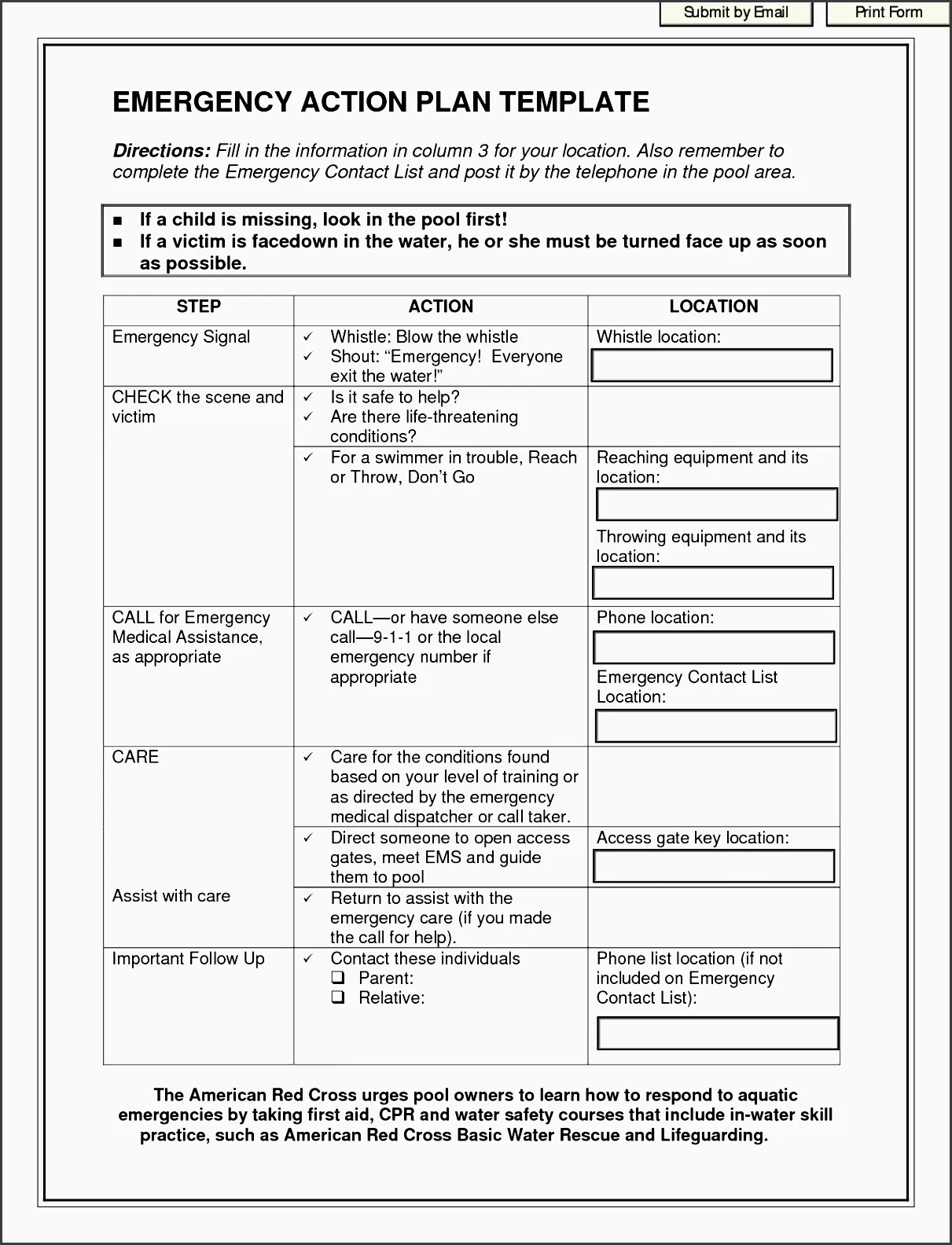
In today’s fast-paced world, workplace safety is more important than ever. From natural disasters to human-made emergencies, organizations must be prepared to safeguard their employees and assets in the event of a crisis. One essential tool for ensuring workplace safety is an emergency action plan.
This comprehensive document outlines the steps employees should take in the event of an emergency to protect lives, reduce injuries, and minimize property damage.
Let’s delve deeper into the components of an effective emergency action plan and how to create one that works for your organization.
What is an Emergency Action Plan?
An emergency action plan is a strategic document that outlines specific procedures and protocols to follow in the event of an emergency. It serves as a roadmap for employees, detailing evacuation routes, designated assembly areas, emergency contact information, and roles and responsibilities during an emergency.
This plan is not a one-size-fits-all solution; it should be tailored to the unique risks and hazards present in your workplace. By having a well-thought-out emergency action plan in place, organizations can minimize confusion, ensure a swift and organized response, and ultimately protect the safety and well-being of their employees.
Why is an Emergency Action Plan Important?
The importance of an emergency action plan cannot be overstated. In the event of an emergency, having a well-thought-out plan in place can mean the difference between life and death. An effective emergency action plan helps protect the lives of employees, reduce injuries, and minimize property damage by providing clear guidance on what to do in a crisis. By outlining specific procedures and protocols, an emergency action plan can prevent chaos and confusion, ensuring a safe and organized response to any emergency that may arise.
Protecting Lives
One of the primary goals of an emergency action plan is to protect the lives of employees. By providing clear instructions on what to do in an emergency, organizations can minimize the risk of injuries and fatalities. Evacuation procedures, designated assembly areas, and communication protocols all play a critical role in ensuring the safety of employees during an emergency.
Reducing Injuries
In addition to protecting lives, an emergency action plan aims to reduce injuries by providing employees with the information they need to respond quickly and effectively to an emergency. By outlining specific procedures for evacuating the premises, administering first aid, and communicating with emergency services, organizations can minimize the risk of injuries and ensure a swift response to emergencies.
Minimizing Property Damage
Property damage can have a significant impact on the financial health of an organization. An effective emergency action plan can help minimize property damage by ensuring a swift and organized response to emergencies. By having clear evacuation routes, designated assembly areas, and communication protocols in place, organizations can help prevent or reduce damage to their facilities and assets.
Key Elements of an Emergency Action Plan
While the specific components of an emergency action plan may vary depending on the workplace, some key elements are essential for any effective plan. These elements serve as the foundation for a comprehensive response to emergencies and should be carefully considered and tailored to the unique risks and hazards present in the workplace.
Evacuation Procedures
Evacuation procedures are a fundamental component of an emergency action plan. These procedures outline the steps employees should take to safely evacuate the premises in the event of an emergency. Evacuation routes, designated assembly areas, and procedures for assisting individuals with disabilities should be clearly defined in the plan to ensure a swift and organized response.
Emergency Contact Information
Having accurate and up-to-date emergency contact information is crucial for a timely response to emergencies. This section of the emergency action plan should include contact details for emergency services, management personnel, and other key individuals who need to be notified in the event of an emergency. By ensuring that this information is readily available, organizations can expedite the response and minimize the impact of the emergency.
Roles and Responsibilities
Assigning roles and responsibilities to employees during an emergency helps maintain order and ensure a coordinated response. Designated roles may include evacuation coordinators, first aid providers, communication liaisons, and others who have specific responsibilities to fulfill. By clearly defining these roles in the emergency action plan, organizations can ensure that employees know what is expected of them during an emergency.
Communication Plan
A communication plan is essential for keeping employees informed and safe during an emergency. This section of the emergency action plan should outline how information will be communicated, whether through alarms, intercom systems, or other means. Clear and effective communication is critical for ensuring that employees receive timely updates and instructions during an emergency.
Training and Drills
Regular training sessions and emergency drills are key to ensuring that employees are prepared to respond to emergencies. This section of the emergency action plan should detail the frequency and format of training sessions, as well as the procedures for conducting drills. By providing hands-on training and practice scenarios, organizations can help employees familiarize themselves with the emergency action plan and respond effectively in a crisis.
Special Considerations
Some workplaces may have unique hazards or risks that require special consideration in the emergency action plan. This section should address any specific protocols for handling hazardous materials, dealing with chemical spills, or responding to other specialized emergencies. By including these considerations in the plan, organizations can ensure a comprehensive response to a wide range of potential emergencies.
How to Develop an Effective Emergency Action Plan
Developing an effective emergency action plan requires careful planning, collaboration, and attention to detail. By following a systematic approach and involving key stakeholders in the process, organizations can create a comprehensive plan that addresses the specific risks and hazards present in the workplace. Let’s explore the steps involved in developing an effective emergency action plan that works for your organization.
Identify Potential Hazards
The first step in developing an effective emergency action plan is to identify potential hazards in the workplace. Conduct a thorough assessment of your facilities, equipment, processes, and external factors that could pose a risk to employees. Common hazards to consider include fires, natural disasters, chemical spills, workplace violence, and medical emergencies. By understanding the specific risks present in your workplace, you can develop targeted strategies to address them in your emergency action plan.
Establish Clear Procedures
Once you have identified potential hazards, the next step is to establish clear procedures for responding to emergencies. Develop detailed protocols for evacuating the premises, providing first aid, communicating with emergency services, and addressing specific risks. Consider the unique layout of your facilities, the number of employees on-site, and any special considerations that may impact the response to emergencies. By establishing clear procedures, you can ensure that employees know what to do in a crisis.
Assign Roles and Responsibilities
Assigning roles and responsibilities to employees during an emergency is essential for maintaining order and ensuring a coordinated response. Identify individuals who will serve as evacuation coordinators, first aid providers, communication liaisons, and other key roles. Clearly define the responsibilities of each role and ensure that employees understand their roles and how to fulfill them. By assigning roles and responsibilities in advance, you can streamline the response to emergencies and minimize confusion.
Communicate and Train
Communication and training are critical components of developing an effective emergency action plan. Communicate the details of the emergency action plan to all employees through training sessions, information sessions, and written materials. Ensure that employees understand the procedures outlined in the plan, know their roles and responsibilities, and are familiar with evacuation routes and assembly areas. Provide opportunities for hands-on training and practice drills to reinforce the information and ensure that employees are prepared to respond effectively in an emergency.
Review and Update Regularly
An emergency action plan is not a static document; it should be reviewed and updated regularly to account for changes in personnel, equipment, processes, or external factors that may impact emergency response. Schedule regular reviews of the emergency action plan to ensure that it remains current and relevant. Consider conducting annual reviews or more frequent updates if there are significant changes in the workplace. By reviewing and updating the plan regularly, you can ensure that it continues to effectively address the risks and hazards present in your workplace.
Test the Plan
Testing the effectiveness of the emergency action plan is essential for ensuring that it will work as intended in a real emergency. Conduct regular drills and simulations to test the plan and identify any areas for improvement. Evaluate the response of employees, the effectiveness of communication systems, and the efficiency of evacuation procedures during drills. Use the feedback from drills to make necessary adjustments to the plan and enhance its effectiveness. By testing the plan regularly, you can identify weaknesses and improve the response to emergencies.
Seek Feedback
Encourage feedback from employees on the emergency action plan to ensure that it is clear, concise, and easy to follow. Employees who are familiar with the plan can provide valuable insights on its effectiveness and identify any areas for improvement. Consider conducting surveys, focus groups, or feedback sessions to gather input from employees on their experiences with the plan. Use this feedback to make adjustments to the plan, address any concerns, and enhance the overall response to emergencies. By seeking feedback from employees, you can ensure that the emergency action plan meets their needs and is tailored to the specific risks present in the workplace.
Tips for Successful Emergency Action Planning
Creating an effective emergency action plan requires careful consideration, planning, and execution. By following some key tips and best practices, organizations can develop a comprehensive plan that protects the safety and well-being of employees in the event of an emergency. Let’s explore some tips for successful emergency action planning that can help organizations create a plan that works for their unique needs.
Involve Employees
When developing an emergency action plan, it is essential to involve employees in the process. Employees are on the front lines during an emergency and can provide valuable insights into the specific risks and hazards present in the workplace. Consult with employees to gather their input, address their concerns, and ensure that the plan meets their needs. By involving employees in the planning process, organizations can create a plan that is relevant, practical, and tailored to the specific challenges of the workplace.
Keep it Simple
An effective emergency action plan should be clear, concise, and easy to understand. Avoid using technical jargon or complex language that may confuse employees during an emergency. Use straightforward language, visual aids, and step-by-step instructions to clearly outline the procedures to follow in a crisis. Consider creating flowcharts, diagrams, or infographics to illustrate evacuation routes, assembly areas, and communication protocols. By keeping the plan simple and easy to follow, organizations can ensure that employees can quickly and effectively respond to emergencies.
Review Regularly
Regularly reviewing and updating the emergency action plan is essential for ensuring its effectiveness. Schedule periodic reviews of the plan to account for changes in personnel, equipment, processes, or external factors that may impact emergency response. Consider conducting annual reviews or more frequent updates if there are significant changes in the workplace. Use feedback from drills, simulations, and employee input to identify areas for improvement and make necessary adjustments to the plan. By regularly reviewing and updating the plan, organizations can ensure that it remains current and relevant to the specific risks present in the workplace.
Provide Training
Training is key to ensuring that employees are prepared to respond effectively to emergencies. Provide regular training sessions on the emergency action plan, evacuation procedures, first aid protocols, and other key aspects of emergency response. Ensure that all employees receive training on the plan and know their roles and responsibilities during an emergency. Consider providing hands-on training, practice drills, and simulations to reinforce the information and help employees familiarize themselves with the plan. By providing comprehensive training, organizations can ensure that employees are prepared to respond quickly and effectively in a crisis.
Practice Drills
Conducting regular emergency drills is essential for testing the effectiveness of the emergency action plan and ensuring that employees are prepared to respond to emergencies. Schedule drills and simulations to practice evacuation procedures, communication protocols, and other key aspects of the plan. Evaluate the response of employees, identify any areas for improvement, and make necessary adjustments to the plan based on feedback from drills. Consider conducting different types of drills, such as fire drills, natural disaster simulations, or active shooter scenarios, to test the response to various emergencies. By practicing drills regularly, organizations can ensure that employees are familiar with the plan and ready to respond effectively in a crisis.
Establish Communication Channels
Clear communication is essential during an emergency to ensure that employees receive timely updates and instructions. Establish effective communication channels, such as alarms, intercom systems, or mobile notifications, to disseminate information to employees during an emergency. Test communication systems regularly to ensure that they are working properly and can reach all employees in the event of an emergency. Consider designating communication liaisons or coordinators who are responsible for relaying information to employees and ensuring that everyone is informed and safe. By establishing clear communication channels, organizations can ensure that information is disseminated quickly and efficiently during an emergency.
Seek Professional Help
If you are unsure how to develop an effective emergency action plan or need assistance in creating a comprehensive response to emergencies, consider seeking professional help. Safety experts, emergency management professionals, or consultants with experience in emergency planning can provide valuable insights and guidance on developing a plan that meets the specific needs of your organization. These professionals can conduct risk assessments, provide recommendations for addressing hazards, and assist in creating a tailored emergency action plan that protects the safety and well-being of employees. By seeking professional help, organizations can ensure that their emergency action plan is thorough, effective, and designed to respond to a wide range of potential emergencies.
Emergency Action Plan Template
An Emergency Action Plan helps organizations prepare for unexpected situations by clearly outlining procedures, roles, evacuation routes, and communication steps during emergencies. It ensures employees know how to respond quickly and safely to events such as fires, natural disasters, medical emergencies, or security threats. With a structured template, you can improve readiness, reduce confusion, and protect lives and property.
Download our Emergency Action Plan Template today to strengthen your preparedness and ensure a safe, organized response during emergencies.
Emergency Action Plan Template – DOWNLOAD
