Creating a structured food schedule is more than just about planning your meals; it is about establishing a routine that supports your physical health, mental well-being, and overall lifestyle balance. By aligning your eating patterns with your body’s natural circadian rhythms, you can experience numerous health benefits and practical life management advantages.
Let’s explore the significance of maintaining a consistent food schedule and how it can positively impact your daily life.
What is a Food Schedule?
A food schedule is a predetermined plan that outlines the timing of your meals throughout the day. It involves setting specific times for breakfast, lunch, dinner, and any snacks in between. By following a food schedule, you can regulate your eating habits, avoid mindless snacking, and ensure that you are fueling your body at regular intervals.
Why is Establishing a Consistent Food Schedule Important?
Creating a consistent food schedule is essential for several reasons:
- Promotes balanced nutrition: By planning your meals, you can make healthier food choices and ensure that you are consuming a variety of nutrients.
- Regulates blood sugar levels: Eating at regular intervals can help stabilize your blood sugar levels and prevent energy crashes throughout the day.
- Supports digestion: Following a food schedule allows your body to properly digest food and absorb nutrients more efficiently.
- Improves metabolism: Consistent eating patterns can boost your metabolism and help maintain a healthy weight.
- Enhances mental clarity: By fueling your body consistently, you can improve focus, concentration, and overall cognitive function.
The Impact of Balanced Nutrition
When you establish a consistent food schedule, you are more likely to prioritize balanced nutrition in your meals. By planning ahead and incorporating a variety of nutrient-dense foods into your diet, you can ensure that your body receives the vitamins, minerals, and macronutrients it needs to function optimally. This focus on balanced nutrition can support overall health, boost immunity, and reduce the risk of chronic diseases.
Stabilizing Blood Sugar Levels
One of the key benefits of following a food schedule is the ability to regulate blood sugar levels effectively. When you eat at consistent intervals, you prevent drastic spikes and crashes in blood sugar, which can lead to mood swings, cravings, and fatigue. By maintaining stable blood sugar levels throughout the day, you can sustain energy levels, improve mood, and support overall well-being.
Optimizing Digestive Health
Consistent eating patterns play a crucial role in supporting digestive health and function. When you eat at regular intervals, you give your digestive system time to process food efficiently and absorb nutrients effectively. This can help prevent digestive issues such as bloating, indigestion, and constipation, and promote overall gut health. By supporting your digestion through a structured food schedule, you can enhance nutrient absorption and improve overall digestive comfort.
Boosting Metabolism and Weight Management
A consistent food schedule can also contribute to a healthy metabolism and weight management. By spacing out your meals evenly throughout the day, you keep your metabolism active and prevent overeating. This can help regulate appetite, control portion sizes, and promote weight loss or maintenance. Additionally, stable eating patterns can prevent late-night snacking, mindless eating, and unhealthy food choices, which are common contributors to weight gain.
Enhancing Mental Clarity and Focus
Proper nourishment and consistent fueling of your body through a structured food schedule can have a significant impact on your mental clarity and focus. When you provide your brain with a steady supply of nutrients and energy, you support cognitive function, memory, and alertness. This can lead to improved productivity, better decision-making, and enhanced overall mental well-being. By prioritizing consistent eating patterns, you can optimize brain function and support mental acuity throughout the day.
Key Elements of a Successful Food Schedule
When creating a food schedule, consider the following key elements to ensure its effectiveness:
Setting Specific Meal Times
Establishing specific meal times is a fundamental aspect of creating a successful food schedule. By setting fixed times for breakfast, lunch, and dinner, you establish a routine that helps regulate hunger cues, stabilize energy levels, and support overall well-being. Consistency in meal timing can also train your body to anticipate food intake at certain times, making it easier to adhere to your schedule and avoid unnecessary snacking or overeating.
Incorporating Healthy Snacks
Healthy snacks play a vital role in maintaining energy levels and preventing hunger between meals. When designing your food schedule, be sure to include nutritious snacks that provide a balance of macronutrients and satisfy cravings. Snacking on whole foods like fruits, nuts, yogurt, or vegetables can help curb hunger, prevent blood sugar fluctuations, and support metabolic function. By incorporating healthy snacks into your schedule, you can keep your energy levels stable and avoid overindulging during main meals.
Planning Balanced Meals
Each meal in your food schedule should be well-balanced and provide a mix of essential nutrients to support optimal health. Aim to include a source of protein, complex carbohydrates, healthy fats, fiber, vitamins, and minerals in each meal to ensure that you are nourishing your body adequately. Planning balanced meals can help regulate blood sugar levels, promote satiety, and prevent nutrient deficiencies. By focusing on nutrient-dense foods and creating well-rounded meals, you can support overall well-being and maintain a healthy weight.
Staying Hydrated
Hydration is a critical component of a successful food schedule and plays a vital role in supporting digestion, metabolism, and overall health. Aim to drink an adequate amount of water throughout the day to stay hydrated and promote optimal bodily function. Water helps transport nutrients, regulate body temperature, flush out toxins, and support digestion. By staying hydrated, you can prevent dehydration, reduce cravings, and support overall well-being. Be mindful of your fluid intake and make a conscious effort to prioritize hydration as part of your daily routine.
Understanding Hunger Cues
Hunger cues are your body’s way of communicating its need for nourishment. It’s essential to differentiate between physical hunger, which arises from a genuine need for food, and emotional hunger, which is often triggered by stress, boredom, or other non-physical factors. By tuning into your body’s hunger signals, you can determine when to eat and make informed decisions about food choices. Learning to recognize and respond to your hunger cues can help you establish a healthy relationship with food and maintain a balanced food schedule.
Adjusting Your Food Schedule
Flexibility is key when it comes to maintaining a food schedule that works for you. While it’s important to have a structured plan in place, it’s equally important to listen to your body’s needs and make adjustments as necessary. If you find that you are consistently hungry at certain times of the day or feel overly full after meals, consider modifying your meal times or portion sizes accordingly. Pay attention to how your body responds to your food schedule and make changes that support your well-being and satisfaction.
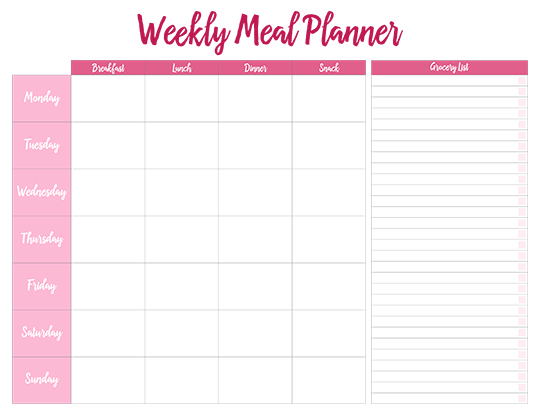
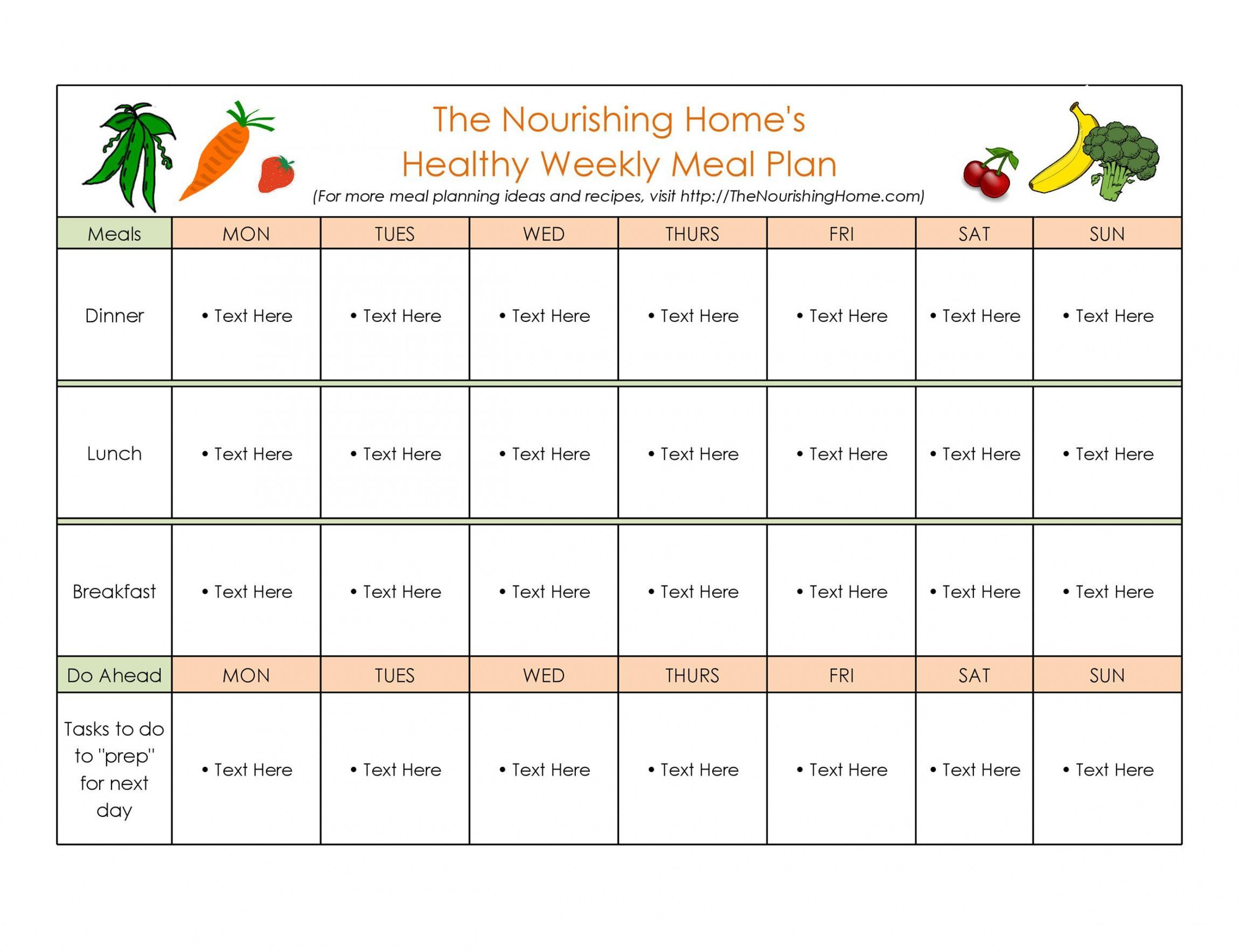
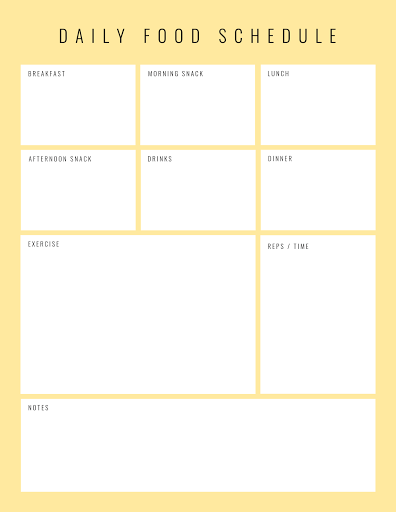
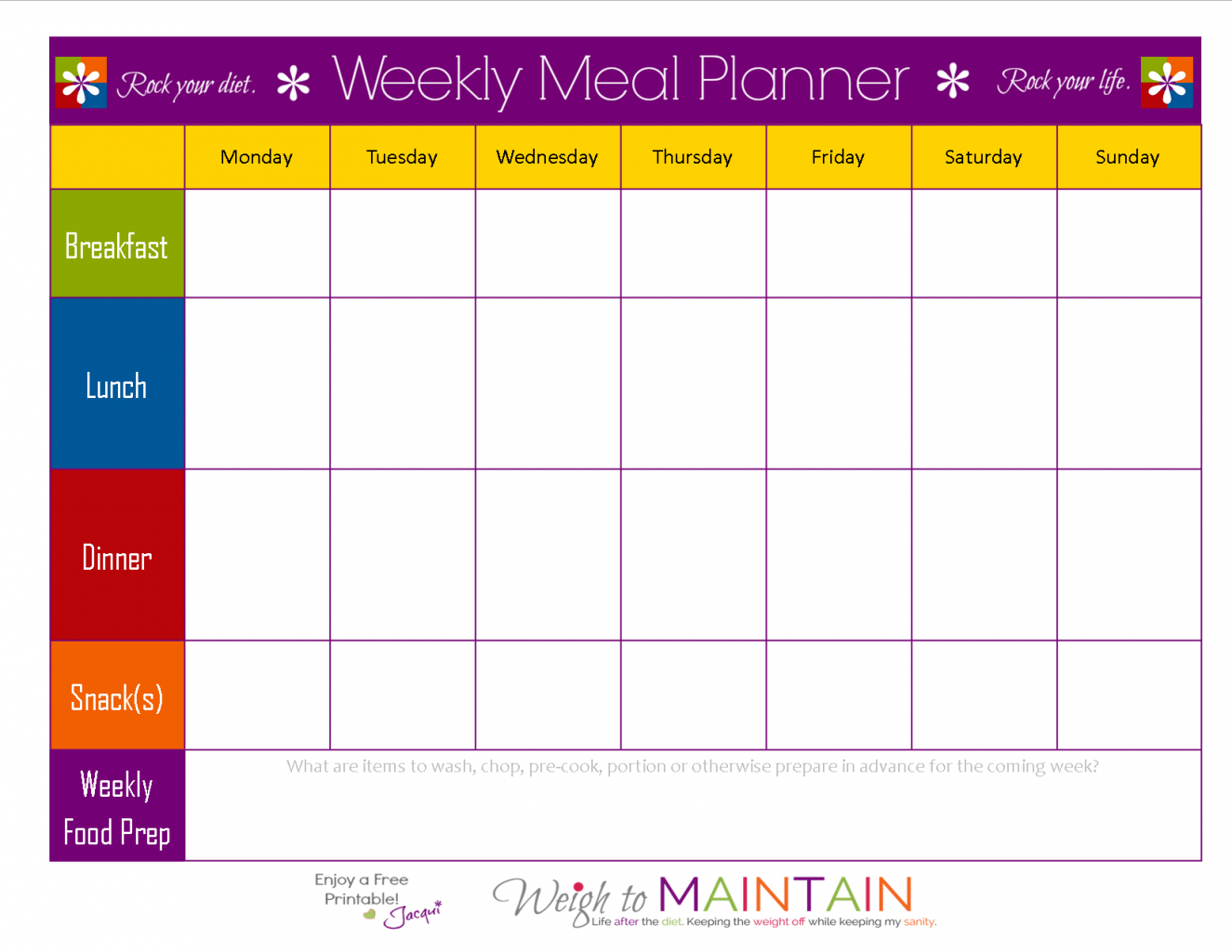
Examples
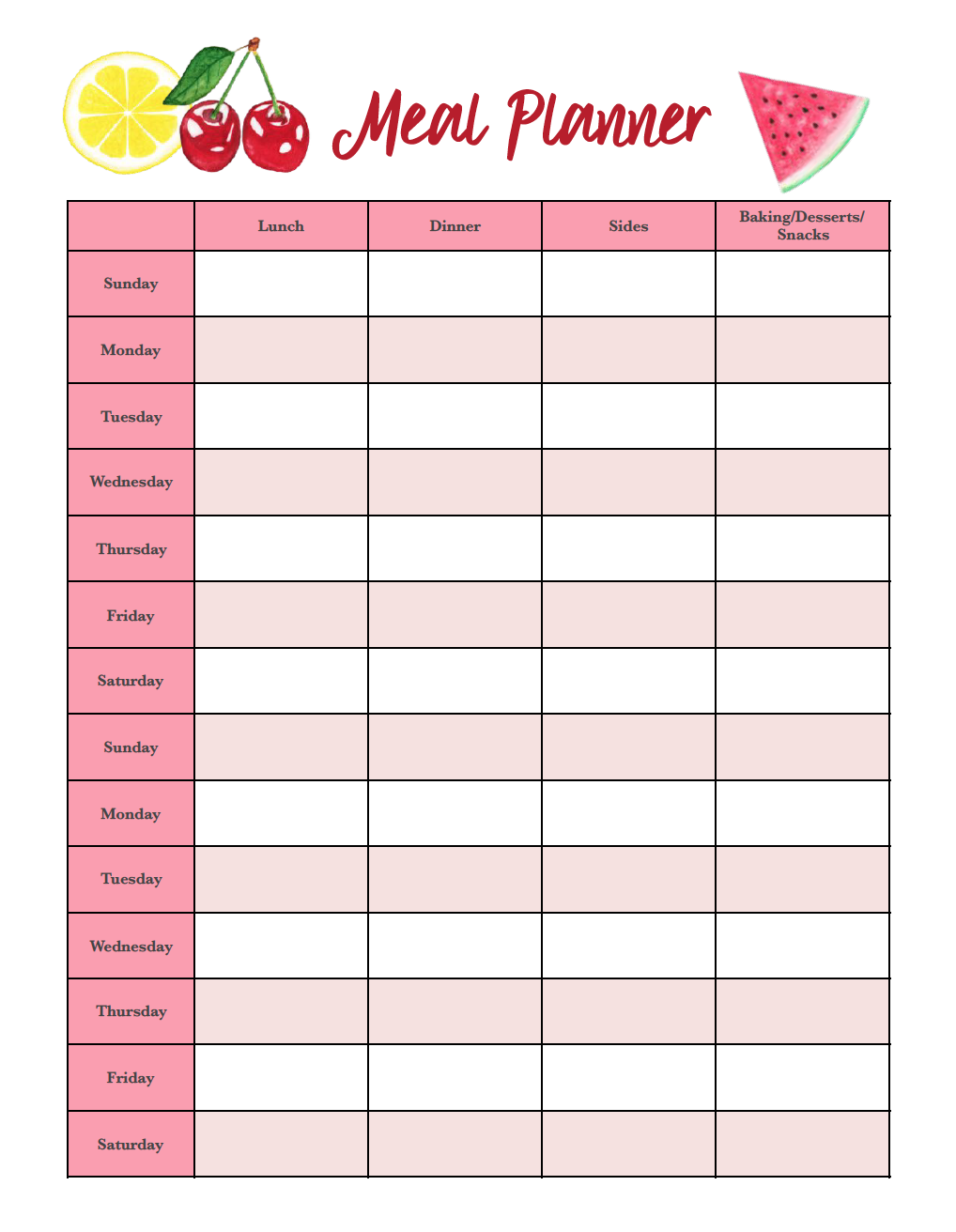
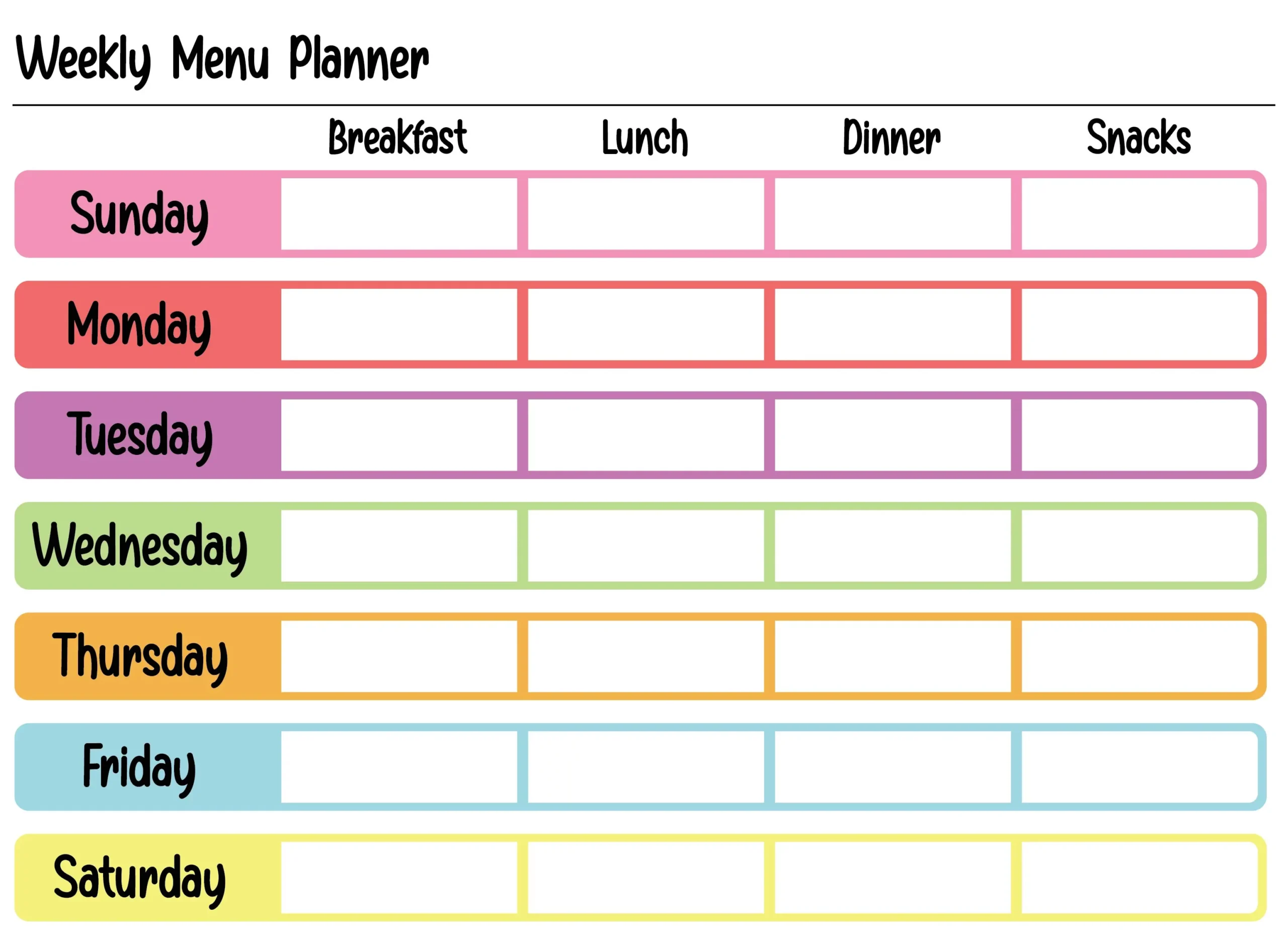
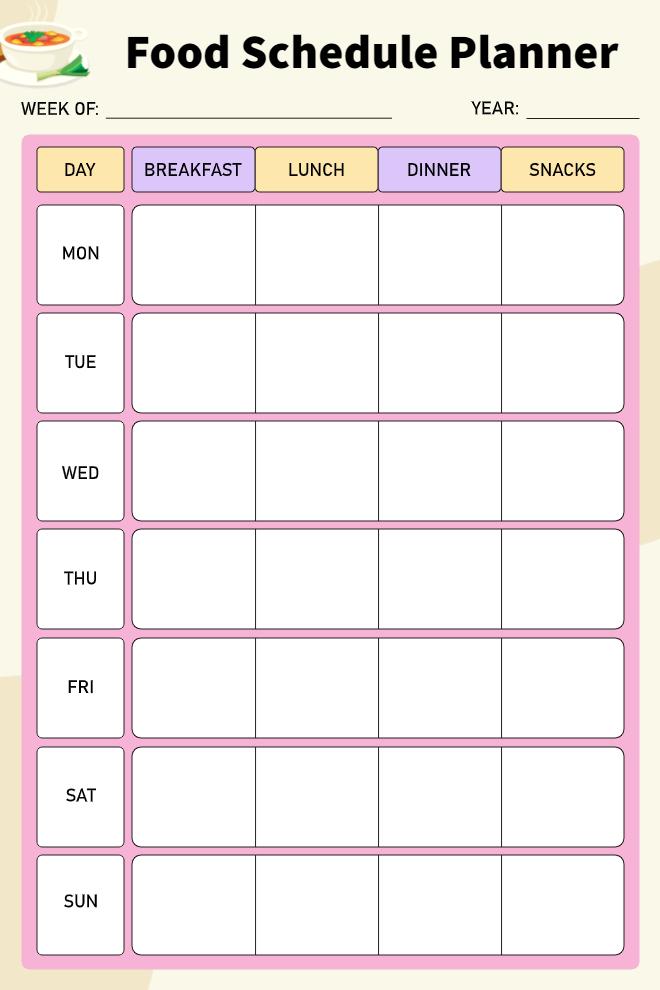
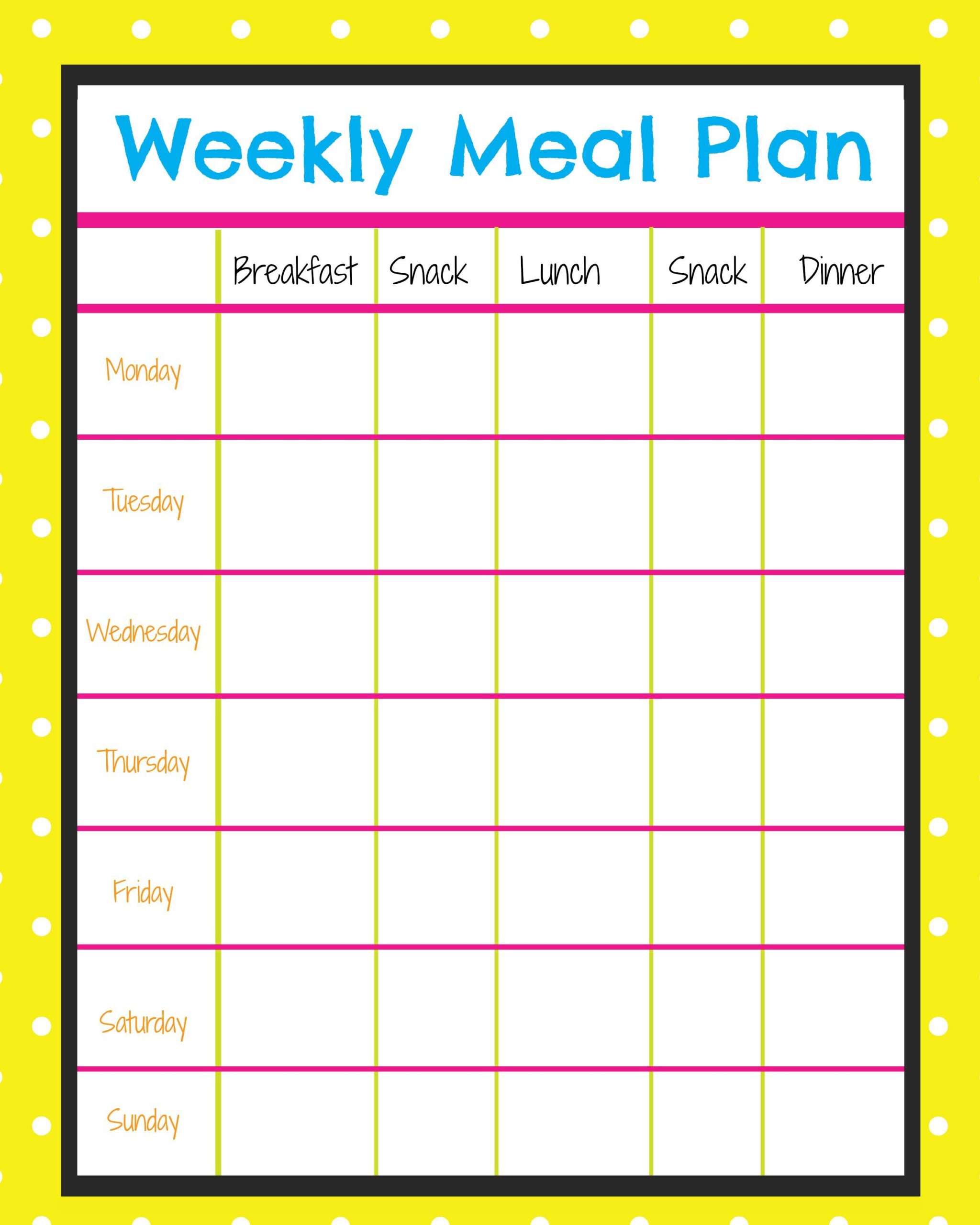
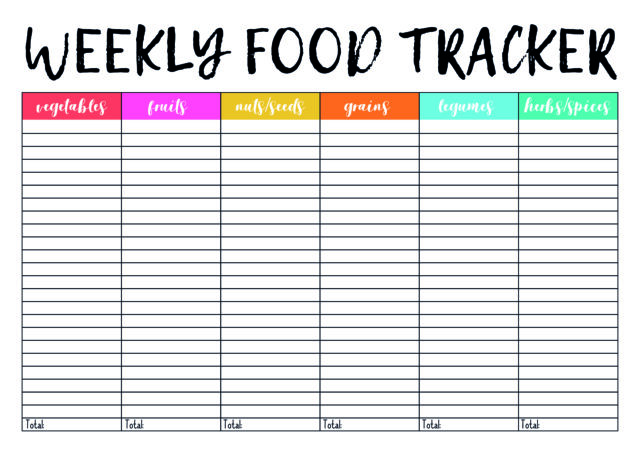
How to Establish a Food Schedule
Follow these steps to create a personalized food schedule that works for you:
Assessing Your Current Eating Habits
Before creating a food schedule, it’s essential to assess your current eating habits and identify any patterns or challenges that may be affecting your health and well-being. Keep a food journal or diary to track what you eat, when you eat, and how you feel after meals. This self-awareness can help you pinpoint areas for improvement and make informed decisions when designing your food schedule.
Identifying Meal Times
Determining the best times for your meals and snacks is a crucial step in creating a food schedule that works for you. Consider your daily routine, work schedule, exercise habits, and personal preferences when deciding when to eat. Aim to space out your meals evenly throughout the day to maintain steady energy levels and avoid prolonged periods of hunger. By identifying meal times that align with your lifestyle, you can establish a consistent eating routine that supports your health goals.
Planning Your Meals
Once you have identified your meal times, it’s time to plan your meals for the week ahead. Create a weekly meal plan that includes a balance of protein, carbohydrates, fats, fruits, vegetables, and other essential nutrients. Consider batch cooking or meal prepping to save time and ensure that you have nutritious options readily available. When planning your meals, aim for variety, flavor, and enjoyment to make healthy eating a sustainable and enjoyable habit.
Preparing in Advance
To set yourself up for success with your food schedule, it’s important to prepare and pack your meals in advance. Cook or assemble meals ahead of time, portion them out into containers, and store them in the fridge or freezer for easy access. Having healthy meals and snacks readily available can help you avoid impulsive food choices, save time during busy days, and stay on track with your eating plan. By preparing in advance, you can make healthy eating a convenient and sustainable part of your lifestyle.
Sticking to Your Schedule
Consistency is key when it comes to following a food schedule. Once you have established your meal times and planned your meals, make a commitment to stick to your schedule as much as possible. Be flexible when needed, but try to maintain a routine that supports your health and well-being. Stay mindful of your hunger cues, listen to your body’s needs, and make adjustments to your schedule as necessary. By staying consistent and committed to your food schedule, you can create long-lasting habits that promote optimal health and lifestyle balance.
Tips for Successful Food Scheduling
Here are some additional tips to help you maintain a successful food schedule:
Avoiding Skipping Meals
Skipping meals can have negative consequences on your metabolism, energy levels, and overall well-being. When you skip a meal, you may feel excessively hungry later on, leading to overeating or making unhealthy food choices. To avoid skipping meals, make sure to prioritize your meal times and plan to have nourishing options available when hunger strikes. By consistently fueling your body at regular intervals, you can maintain stable energy levels, prevent cravings, and support optimal digestion.
Practicing Mindful Eating
Mindful eating is a practice that involves paying attention to your food choices, eating habits, and hunger signals. When you practice mindful eating, you take the time to savor each bite, appreciate the flavors and textures of your food, and listen to your body’s cues of hunger and fullness. By being present and engaged during meals, you can enhance your eating experience, prevent overeating, and cultivate a healthier relationship with food. Practice mindful eating as part of your food schedule to promote mindful decision-making and satisfaction with your meals.
Limiting Distractions
Eating without distractions can enhance your awareness of food choices, portion sizes, and satiety signals. When you eat while watching TV, scrolling on your phone, or working at your computer, you may not pay attention to how much you are eating or how satisfied you feel. To promote mindful eating and enjoyment of your meals, limit distractions during meal times. Create a designated eating area, turn off screens, and focus on the sensory experience of eating. By eliminating distractions, you can tune into your body’s cues, make conscious food choices, and savor the flavors of your meals.
Listening to Your Body
Your body has a way of communicating its needs and preferences when it comes to food. By listening to your body’s hunger and fullness cues, you can make informed decisions about when and what to eat. Pay attention to feelings of hunger, such as a growling stomach, low energy levels, or light-headedness, as these are signals that your body needs nourishment. Similarly, recognize signs of fullness, such as feeling satisfied, no longer being hungry, or noticing a decrease in appetite. By tuning into your body’s signals, you can honor its needs, prevent overeating, and maintain a healthy balance in your eating habits.
Seeking Support
Embarking on a journey to establish a consistent food schedule can be challenging, especially if you’re trying to make significant changes to your eating habits. Seeking support from friends, family members, or a healthcare professional can provide you with encouragement, guidance, and accountability along the way. Share your goals, challenges, and successes with someone you trust, and involve them in your food schedule planning. Having a support system in place can help you stay motivated, stay on track, and celebrate your progress as you work towards optimal health and well-being.
Setting Realistic Goals
When creating a food schedule, it’s important to set realistic and achievable goals that align with your lifestyle and priorities. Consider your current eating habits, schedule, preferences, and health goals when designing your food schedule. Start with small, manageable changes that you can sustain over time, and gradually build upon these changes as you become more comfortable with your new routine. Setting realistic goals can help you stay motivated, track your progress, and make adjustments as needed to support your long-term success.
Embracing Variety and Flexibility
While consistency is key to establishing a successful food schedule, it’s also important to embrace variety and flexibility in your eating routine. Incorporate a diverse range of foods, flavors, and textures into your meals to keep your palate excited and your body well-nourished. Allow yourself the freedom to indulge in occasional treats or deviations from your planned meals without guilt or restriction. By embracing variety and flexibility in your food schedule, you can maintain a healthy relationship with food, prevent boredom, and support long-term adherence to your eating plan.
Celebrating Progress
As you work towards establishing a consistent food schedule, take time to celebrate your progress and accomplishments along the way. Acknowledge the efforts you have made to prioritize your health, make positive changes to your eating habits, and stick to your food schedule. Celebrate small victories, such as trying a new recipe, overcoming a challenge, or staying consistent with your meal times. By recognizing and celebrating your progress, you can stay motivated, build confidence in your abilities, and continue to make positive strides towards optimal health and well-being.
Food Schedule Template – Download
