Keeping a food journal is a powerful tool that can help increase awareness of eating habits, track intake for goals like weight loss or better nutrition, identify trigger foods, and link food to physical/emotional feelings.
By recording what you eat and drink, a food journal can help pinpoint patterns like mindless eating or intolerances, leading to healthier, more mindful choices and better health outcomes. It acts as a tool to create a snapshot of daily intake, revealing what, when, why, and how much you eat, and how it affects your body.
What Is a Food Journal?
A food journal is a log where you record everything you eat and drink throughout the day. It provides a detailed account of your daily food intake, including meals, snacks, and beverages. You can also include information about portion sizes, preparation methods, and any emotional or physical feelings associated with your eating habits.
Why Keep a Food Journal?
There are several benefits to keeping a food journal:
Enhanced Awareness of Eating Habits
By maintaining a food journal, you become more conscious of what you eat and drink throughout the day. This heightened awareness can help you recognize patterns in your eating habits, such as snacking out of boredom or emotional eating. Understanding your food choices can empower you to make healthier decisions and break negative eating patterns.
Personalized Goal Tracking
A food journal serves as a personalized tool for tracking progress towards your health and nutrition goals. Whether you aim to lose weight, improve energy levels, or enhance athletic performance, keeping a food journal allows you to monitor your dietary habits and make adjustments as needed. By setting specific goals and recording your food intake, you can stay motivated and accountable on your wellness journey.
Identification of Trigger Foods
One of the key benefits of using a food journal is the ability to identify trigger foods that may negatively affect your health or well-being. By tracking your food intake and noting any adverse reactions or cravings, you can pinpoint specific foods that may be causing discomfort, bloating, or other symptoms. Recognizing trigger foods empowers you to make informed choices and potentially avoid ingredients that don’t align with your body’s needs.
Emotional and Physical Connection to Food
Keeping a food journal can help you establish a deeper connection between food and your emotional and physical well-being. By recording how you feel before, during, and after meals, you can uncover patterns related to stress eating, comfort food cravings, or emotional triggers for overeating. Understanding the emotional and physical aspects of your eating habits can lead to greater self-awareness and healthier coping mechanisms.
Improved Nutrition Choices
Through the detailed documentation provided by a food journal, you can make more informed decisions about your daily nutrition choices. By reviewing your food intake regularly, you can assess the balance of macro and micronutrients in your diet, identify areas for improvement, and ensure you are meeting your nutritional needs. This awareness can lead to healthier food choices, increased energy levels, and overall well-being.
Efficient Accountability and Progress Tracking
Using a food journal as a tool for accountability can help you stay on track with your health and wellness goals. By recording your food intake consistently and honestly, you can track your progress over time, celebrate achievements, and make adjustments to your diet as needed. The act of journaling creates a sense of responsibility and ownership over your dietary choices, leading to long-term success in reaching your desired outcomes.
Support for Dietary Modifications
If you are following a specific dietary plan or trying to address food intolerances, a food journal can be a valuable support tool. By documenting your meals and any symptoms or reactions, you can work with healthcare professionals or nutritionists to identify patterns, make adjustments to your diet, and track the effectiveness of dietary modifications. The information provided by a food journal can streamline the process of identifying problem foods and creating a personalized nutrition plan for optimal health.
Enhanced Self-Awareness and Mindful Eating
Keeping a food journal encourages mindfulness and self-awareness in your eating habits. By paying attention to what, when, and why you eat, you can develop a deeper understanding of your body’s nutritional needs, hunger cues, and food preferences. This mindfulness can lead to a more intuitive and balanced approach to eating, fostering a healthier relationship with food and promoting overall well-being.
Long-Term Health Benefits
The long-term health benefits of keeping a food journal extend beyond weight management or specific goals. By establishing a consistent habit of tracking your food intake and reflecting on your eating habits, you can cultivate sustainable behaviors that support overall health and longevity. The insights gained from a food journal can inform lasting lifestyle changes, promote nutritional balance, and contribute to improved health outcomes over time.
What to Include in a Food Journal
When keeping a food journal, it’s important to include the following information:
Detailed Food and Beverage Entries
Record every food and beverage you consume, including meals, snacks, drinks, and even condiments. Be specific about portion sizes and ingredients to accurately track your calorie and nutrient intake. Including detailed descriptions of each item can provide a comprehensive view of your dietary habits and allow for informed decision-making.
Meal Times and Frequency
Note the time of day when you eat each meal or snack to identify patterns in your eating schedule. Documenting meal times and frequency can help you recognize if you are skipping meals, eating irregularly, or snacking excessively throughout the day. Understanding your eating patterns can aid in establishing a more balanced and consistent meal routine.
Physical Activity and Exercise
Incorporate details about your physical activity and exercise routine in your food journal to create a holistic view of your health habits. Include the type of exercise, duration, and intensity level to assess the relationship between your food intake and energy expenditure. Tracking physical activity alongside your diet can help you optimize your nutrition for fitness goals and overall well-being.
Water Intake
Don’t forget to record your water intake in your food journal. Staying hydrated is essential for overall health, digestion, and metabolism. Monitoring your water consumption can help you ensure you are meeting your daily hydration needs and prevent dehydration. Include the amount of water you drink throughout the day to maintain proper fluid balance.
Caloric Intake and Macronutrients
Track your daily caloric intake and macronutrient distribution in your food journal to assess the balance of carbohydrates, proteins, and fats in your diet. Understanding the composition of your meals can help you optimize nutrition for energy levels, weight management, and muscle recovery. By monitoring your macronutrient intake, you can make adjustments to support your health and fitness goals.
Emotional and Environmental Factors
Consider including information about emotional or environmental factors that influence your eating habits in your food journal. Note if you eat in response to stress, boredom, or social situations, as well as any external triggers that impact your food choices. Understanding the emotional and environmental context of your eating behavior can help you develop strategies to address emotional eating and make more mindful food decisions.
Reflections and Notes
Leave space in your food journal for reflections and notes about your eating experiences. Use this section to jot down thoughts, feelings, challenges, successes, or any observations related to your dietary habits. Reflecting on your food choices can provide valuable insights into your motivations,
Health Goals and Progress
Track your health goals and progress in your food journal to monitor your journey towards improved well-being. Whether you are aiming to lose weight, increase muscle mass, improve digestion, or manage a health condition, recording your goals and progress can help you stay motivated and focused. By setting specific objectives and noting your achievements, you can celebrate milestones and adjust your approach as needed.
Sleep Patterns and Energy Levels
Consider including information about your sleep patterns and energy levels in your food journal to assess the connection between your diet and overall vitality. Note the quality and duration of your sleep, as well as any changes in energy levels throughout the day. Understanding how your food choices impact your sleep quality and energy levels can guide adjustments to support optimal rest and daytime performance.
Food Allergies and Sensitivities
If you have food allergies or sensitivities, make sure to document any reactions or symptoms in your food journal. By tracking how specific foods affect your body, you can identify potential allergens or intolerances and make informed decisions about your diet. Keeping a record of your reactions can help you work with healthcare professionals to diagnose and manage food-related issues effectively.
Social and Cultural Influences
Recognize the social and cultural influences on your eating habits by noting any occasions or traditions that impact your food choices. Document social gatherings, celebrations, or cultural events where food plays a significant role in your diet. Understanding how social and cultural factors influence your eating behavior can help you navigate food-related challenges and make conscious decisions in diverse settings.
Meal Planning and Preparation
Incorporate meal planning and preparation details in your food journal to streamline your dietary routines and ensure balanced nutrition. Include information about recipes, cooking methods, and ingredient lists for meals you prepare. Planning and preparing meals in advance can help you make healthier choices, save time, and reduce reliance on convenience foods. Recording meal planning in your food journal can support consistency and success in your dietary habits.
Monitoring Progress and Adjustments
Regularly review your food journal entries to monitor your progress, identify trends, and make adjustments to your diet as needed. Use your journal as a tool for self-reflection and goal setting, noting areas where you can improve or build on successes. By analyzing your food intake data and reflecting on your habits, you can make informed decisions to optimize your nutrition and overall health.
Examples
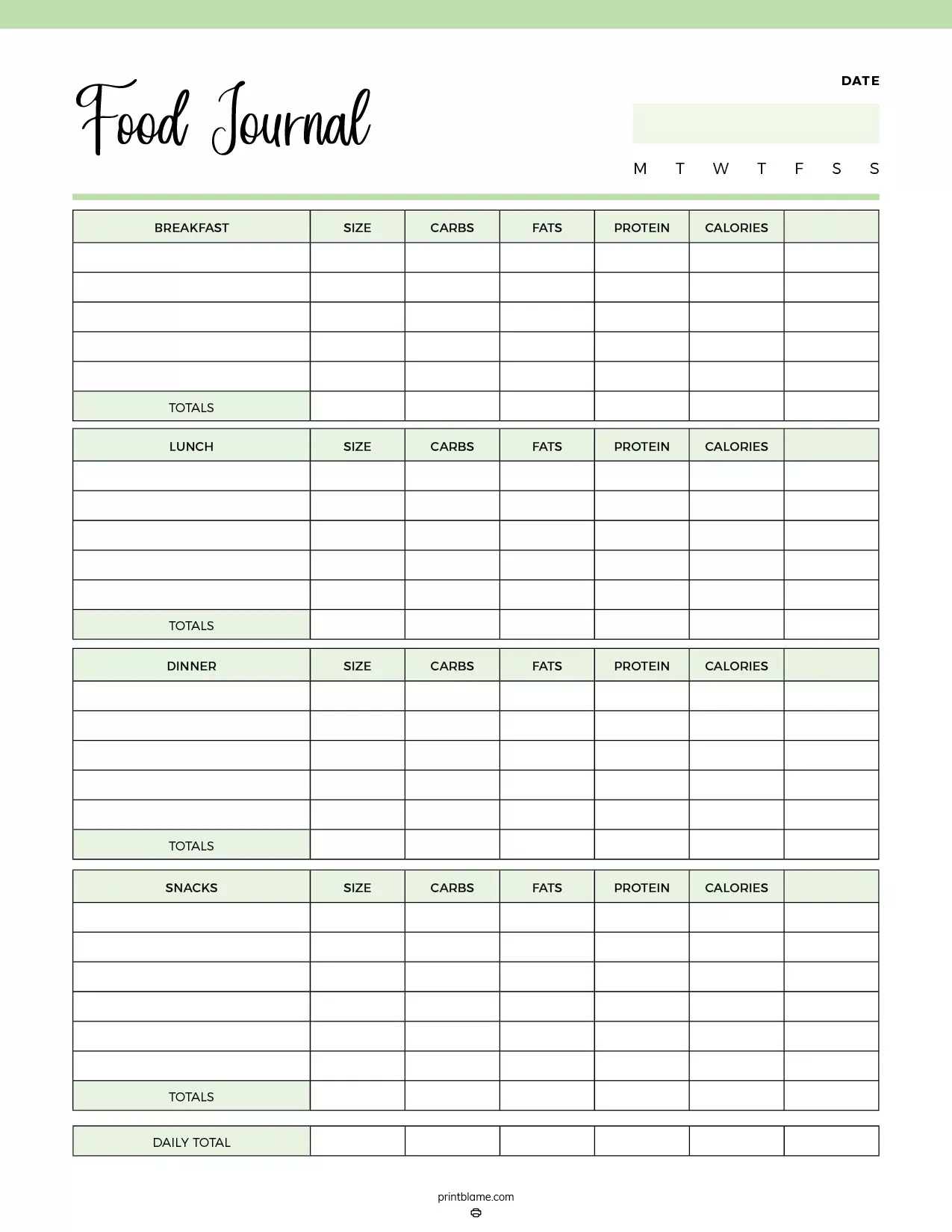
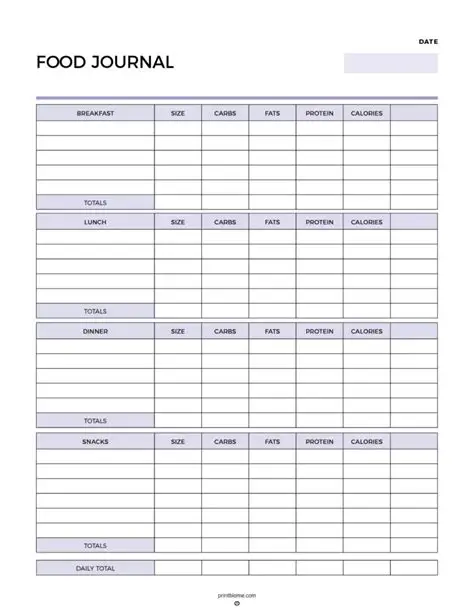
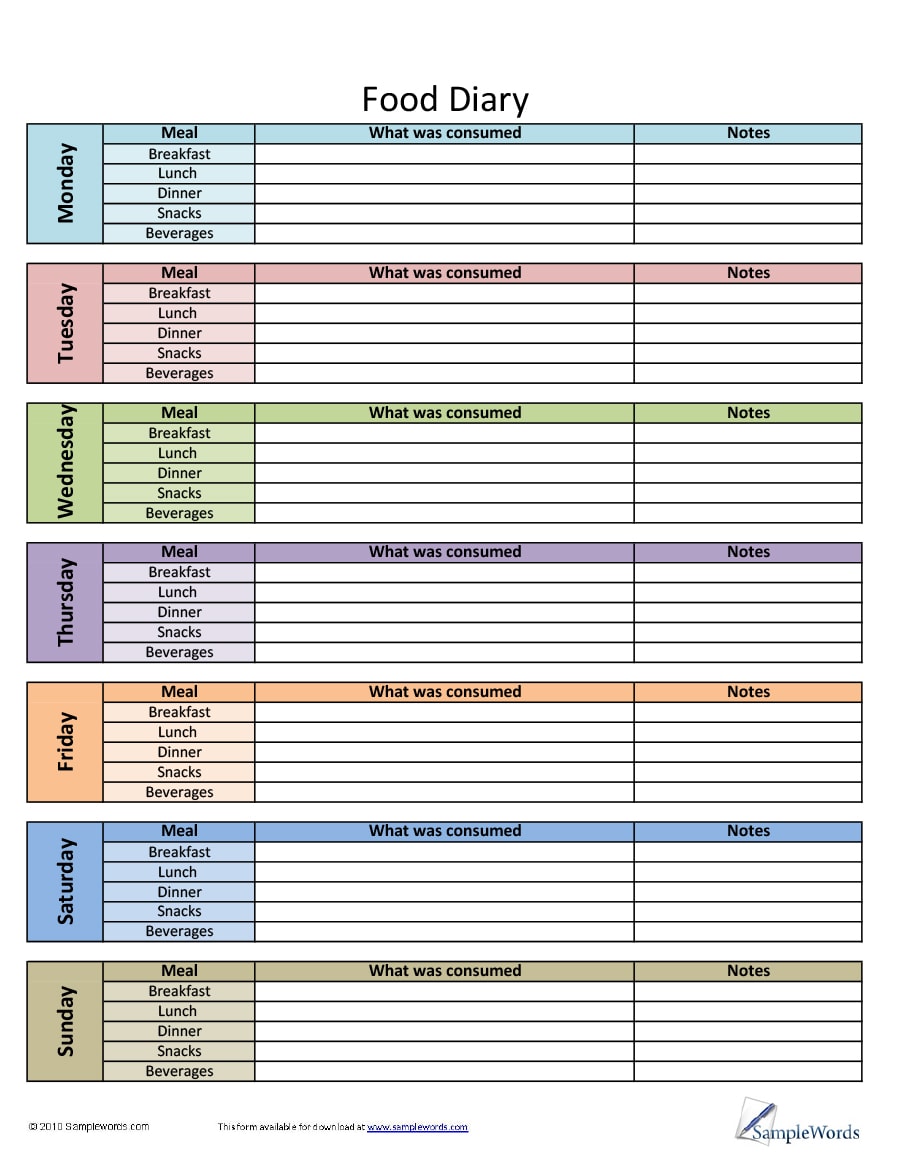
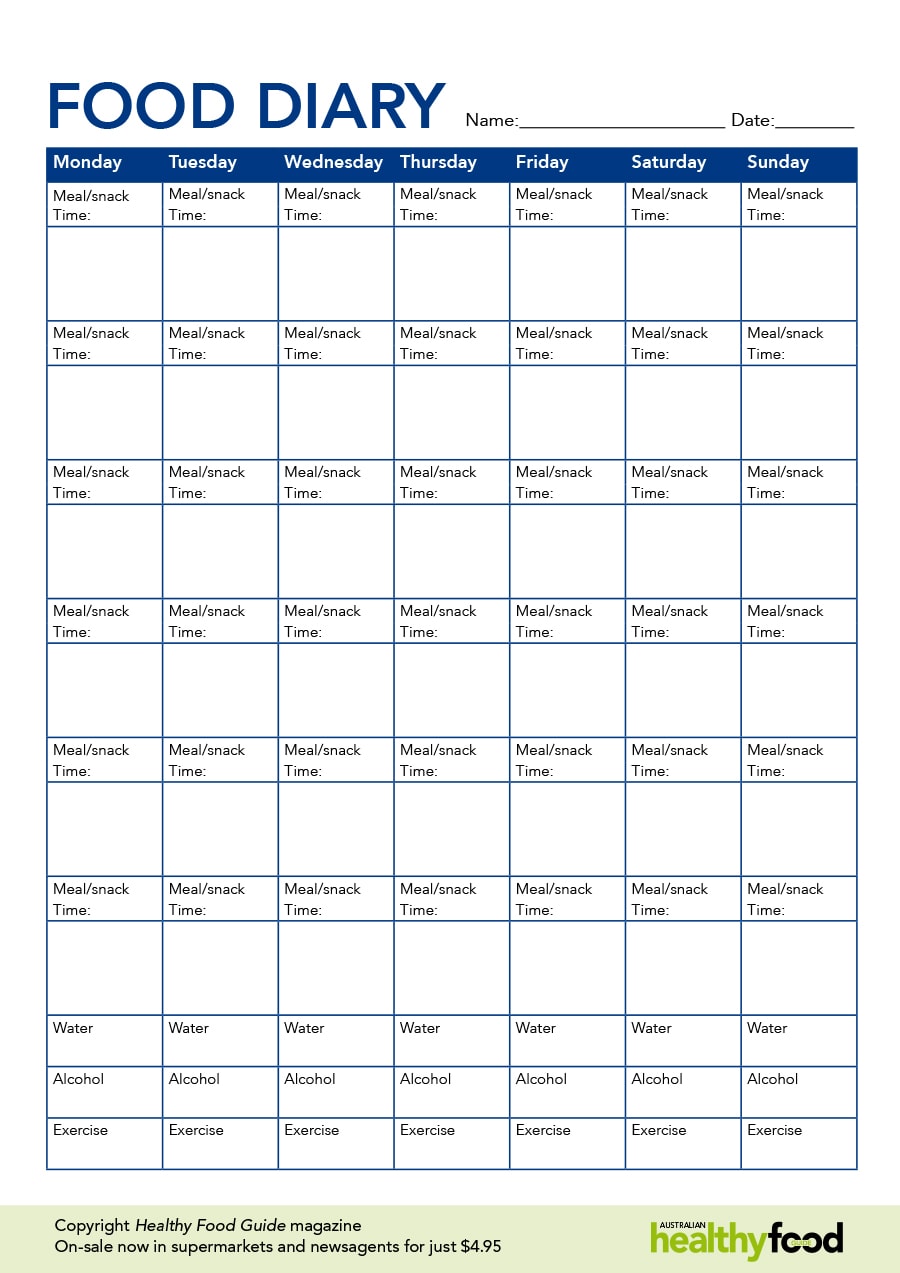
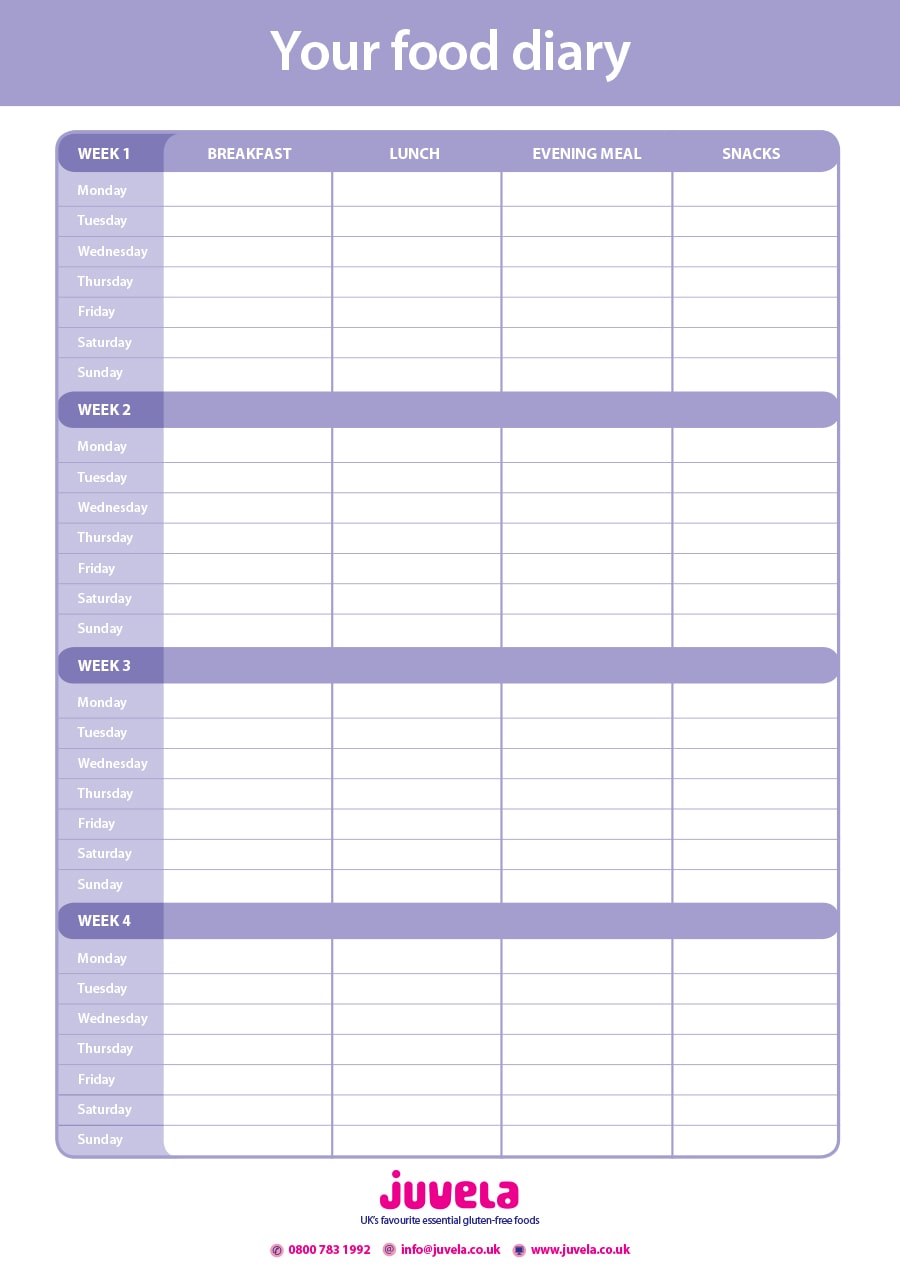
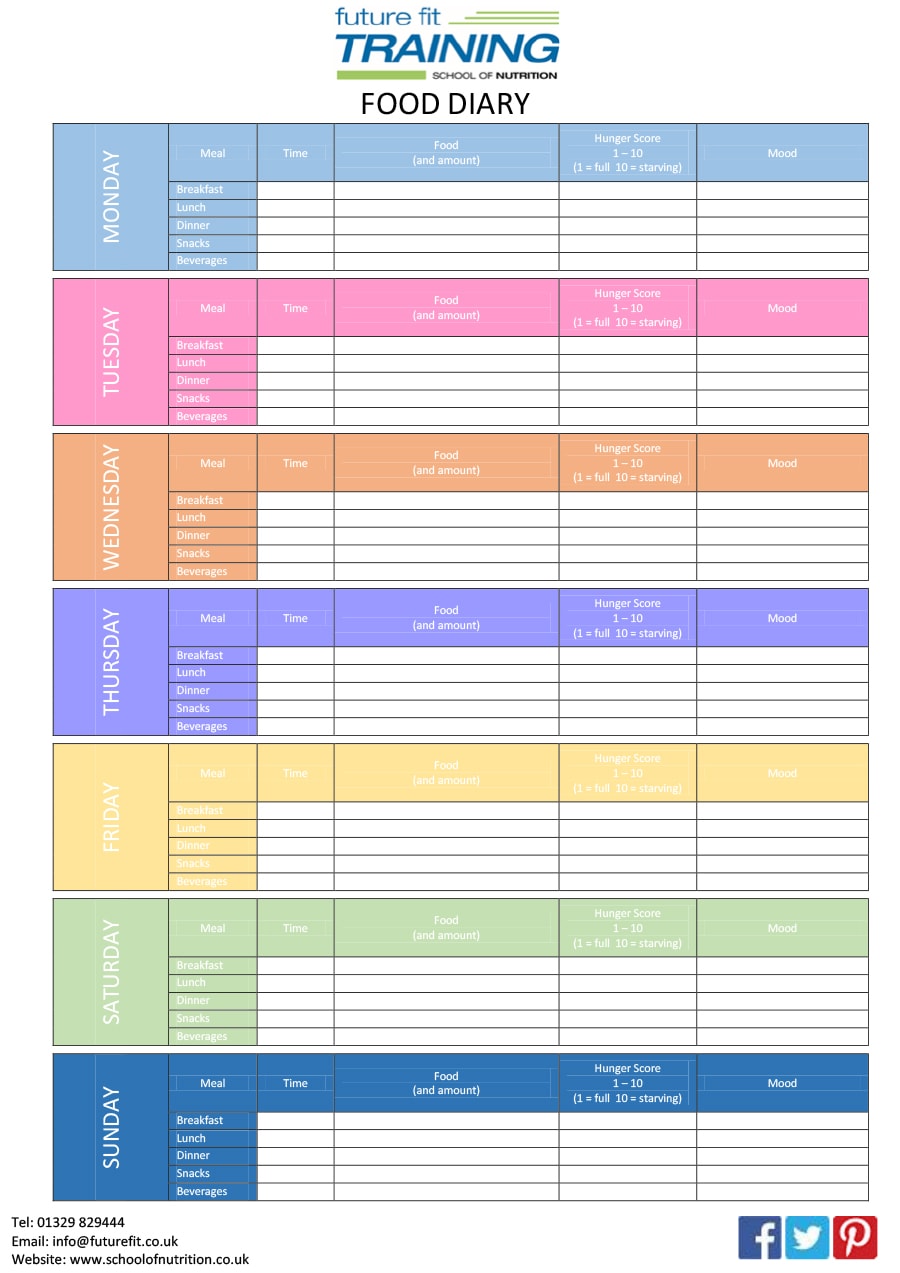
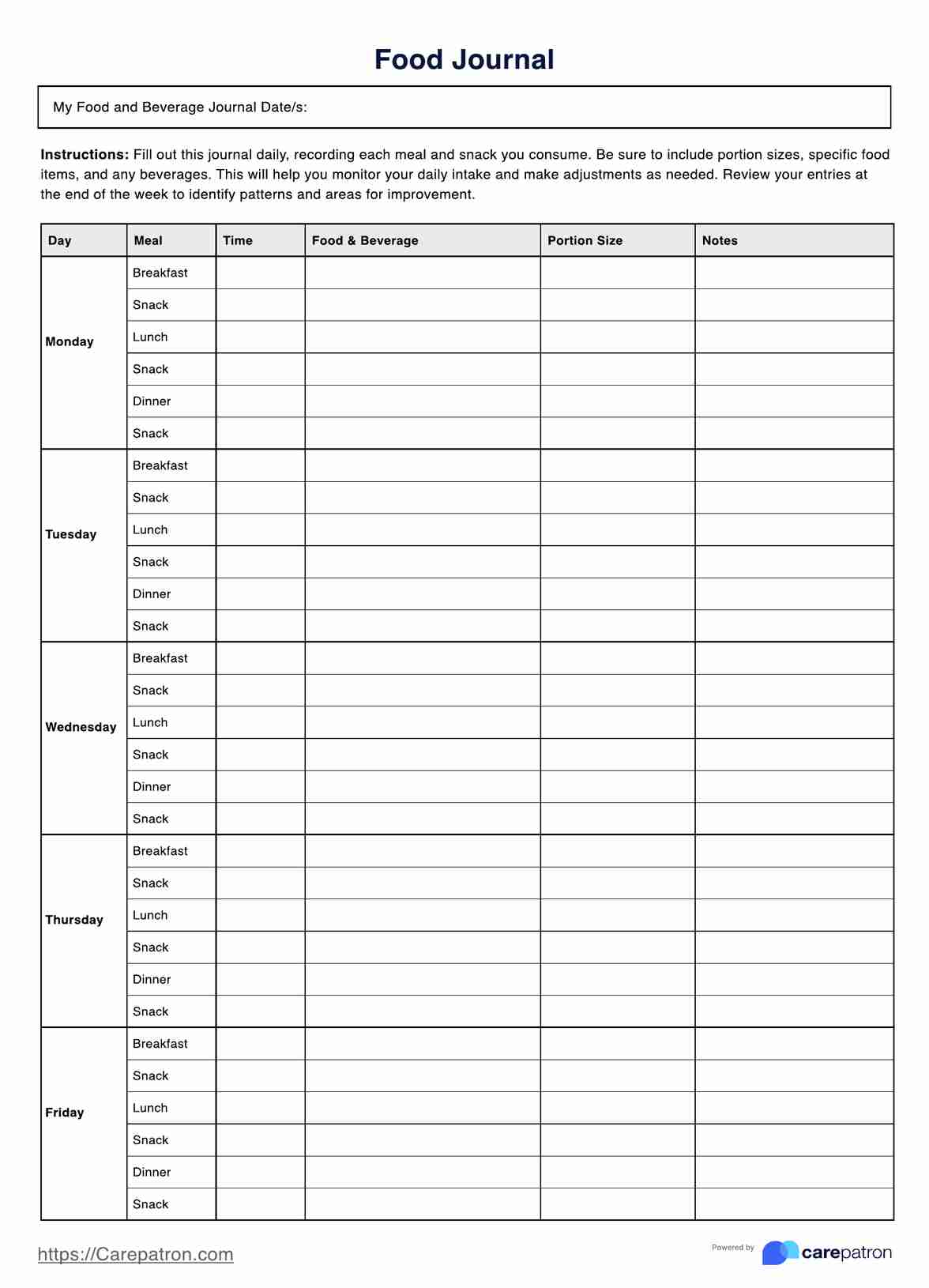
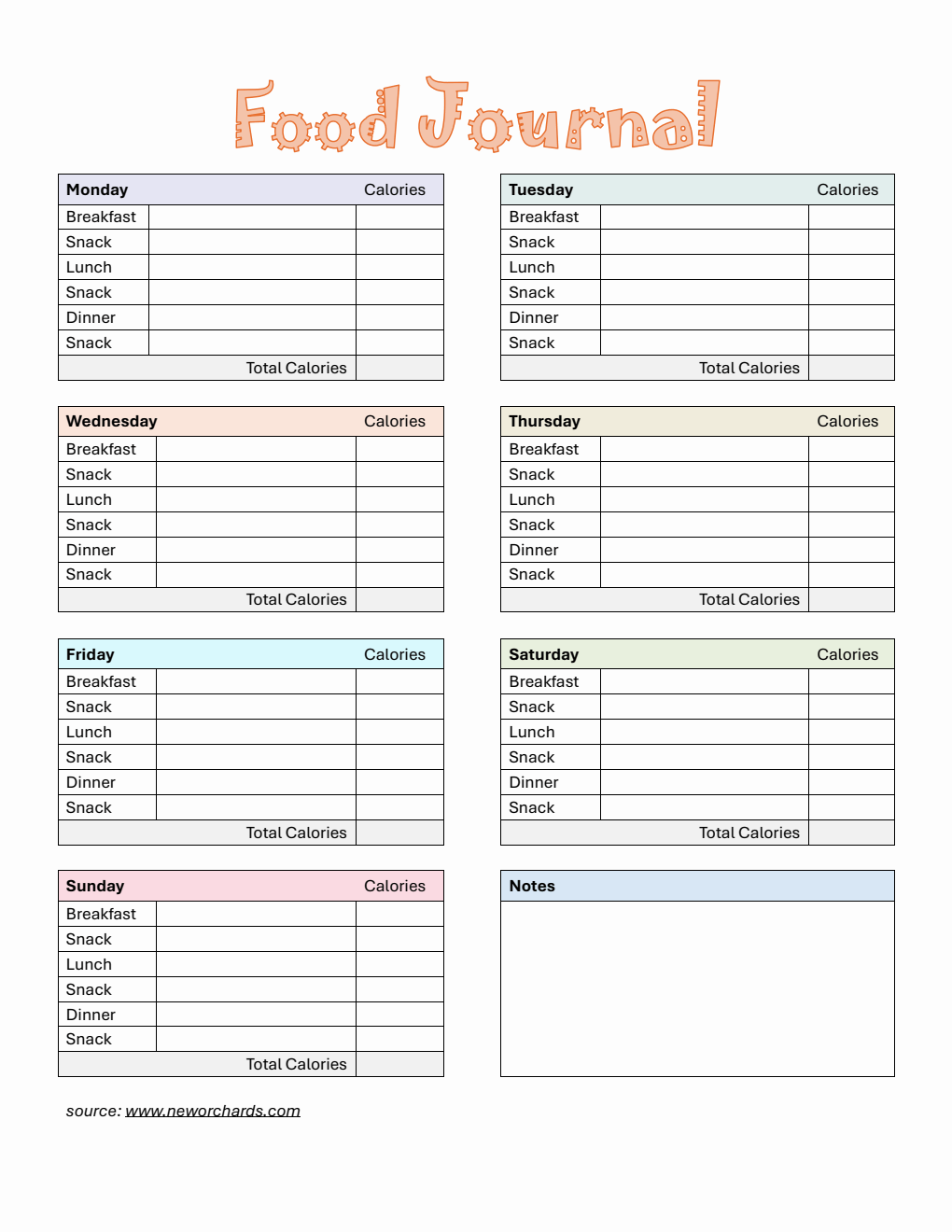
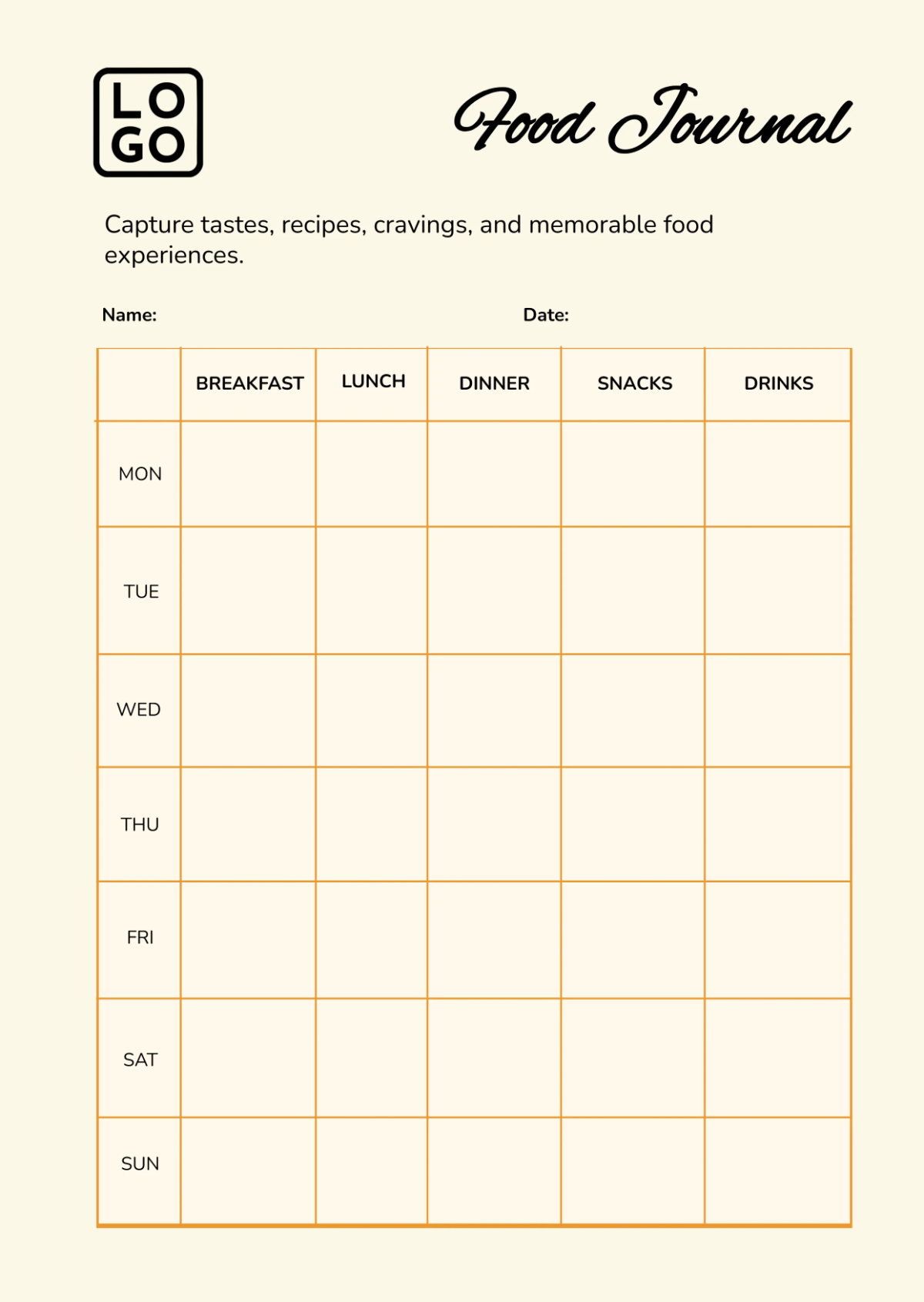
How to Keep a Food Journal
There are several ways to keep a food journal:
1. Choose a Format
Select a format that works best for you, whether it’s a physical notebook, a digital app, or an online platform. Consider your lifestyle, preferences, and accessibility to determine the most suitable format for tracking your food intake consistently.
2. Create a Routine
Establish a daily routine for recording your food intake, including meals, snacks, and beverages. Set aside time each day to update your food journal, either after each meal or at the end of the day. Consistency is key to maintaining an accurate and detailed record of your dietary habits.
3. Be Honest and Detailed
Record everything you eat and drink honestly and in detail. Include portion sizes, preparation methods, ingredient lists, and any emotional or physical feelings associated with your meals. The more specific and honest you are in your entries, the more valuable insights you can gain from your food journal.
4. Use Tools and Technology
Take advantage of tools and technology to aid in keeping your food journal organized and efficient. Explore apps with barcode scanning features, meal tracking options, and nutritional analysis to simplify the process of recording and reviewing your food intake. Utilizing technology can enhance your food journaling experience and make it easier to track your nutrition habits.
5. Set Goals and Track Progress
Establish clear goals for using your food journal, whether it’s to improve nutrition, lose weight, manage health conditions, or enhance athletic performance. Use your journal to track your progress towards these goals, celebrate achievements, and adjust your approach as needed. Goal setting and progress tracking can help you stay motivated and focused on your health objectives.
6. Seek Support and Guidance
Share your food journal with a healthcare professional, nutritionist, or supportive community for feedback, guidance, and accountability. Seeking support from experts or peers can offer valuable insights, encouragement, and resources to optimize your dietary habits and achieve your health goals. Collaboration and guidance can enhance the effectiveness of your food journal as a wellness tool.
7. Reflect and Adapt
Take time to reflect on your food journal entries and analyze patterns, triggers, and trends in your eating habits. Use this reflection to adapt your diet, make informed choices, and implement changes that align with your health and wellness objectives. By regularly reviewing and adjusting your food journal, you can cultivate a dynamic and responsive approach to improving your nutrition and overall well-being.
8. Stay Consistent and Persistent
Maintain consistency and persistence in keeping your food journal, even on challenging days or busy schedules. The commitment to recording your food intake regularly, honestly, and thoughtfully can lead to meaningful insights, positive changes, and long-term health benefits. Embrace the process of food journaling as a tool for self-discovery, empowerment, and transformation towards a healthier lifestyle.
Tips for Keeping a Food Journal
Here are some tips to help you keep a food journal effectively:
Be Honest and Accurate
Record everything you eat and drink, including portion sizes and ingredients, to maintain an accurate account of your dietary intake.
Stay Consistent
Make journaling a daily habit to track your food intake consistently and gain a comprehensive overview of your eating habits.
Include Details
Write down preparation methods, cooking techniques, and any additional information that can provide context to your food choices.
Listen to Your Body
Pay attention to how different foods make you feel physically and emotionally, and adjust your diet accordingly.
Set Realistic Goals
Establish achievable goals for your food journaling journey, whether it’s weight management, improved nutrition, or enhanced well-being.
Celebrate Progress
Acknowledge and celebrate milestones, positive changes, and successes in your dietary habits to stay motivated and encouraged.
Seek Support
Share your food journal with a healthcare provider, nutritionist, or supportive community to receive guidance, feedback, and encouragement.
Experiment and Learn
Use your food journal as a tool for experimentation, exploration, and learning about your dietary preferences, habits, and needs.
Be Mindful
Cultivate mindfulness in your eating habits by paying attention to your food choices, hunger cues, and emotional triggers for eating.
Stay Positive
Maintain a positive attitude towards food journaling as a tool for self-improvement, growth, and empowerment in your health journey.
Food Journal Template – Download
