Managing personal finances has become increasingly important in today’s fast-paced world, where expenses can quickly grow beyond expectations. From daily coffee purchases and transportation costs to utility bills and entertainment subscriptions, money often disappears faster than people realize. This is where an expense tracker becomes an essential financial tool.
An expense tracker helps individuals and families monitor their spending habits, organize financial records, and make informed decisions about budgeting and saving. Whether someone wants to eliminate debt, prepare for emergencies, or simply gain better control over monthly expenses, tracking spending provides a clear picture of financial behavior.
By understanding where money goes every day, people can reduce unnecessary expenses, improve saving habits, and achieve long-term financial stability. In both personal and professional settings, an expense tracker supports responsible money management and encourages smarter financial planning for the future.
What is an Expense Tracker?
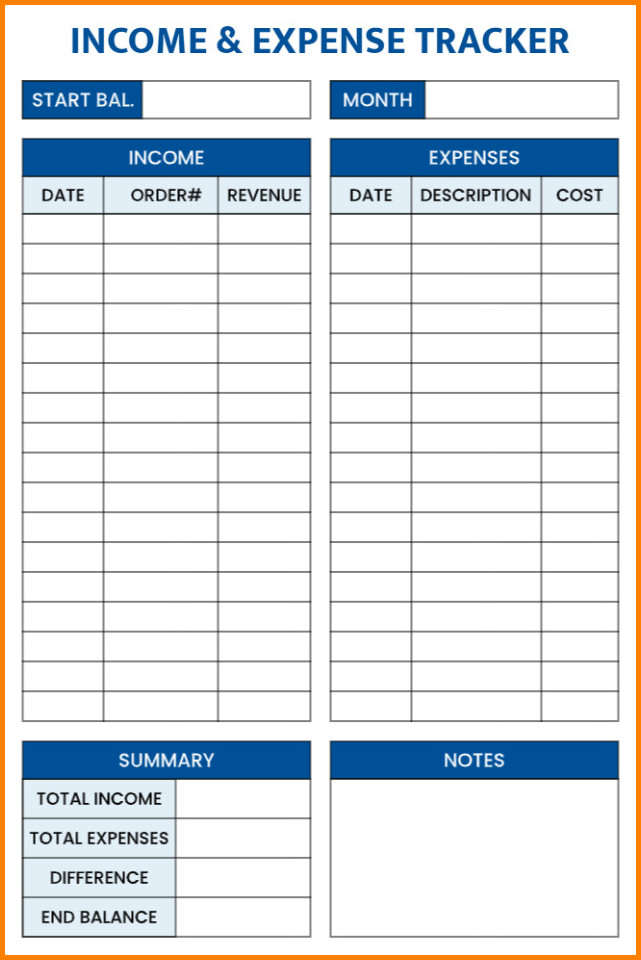
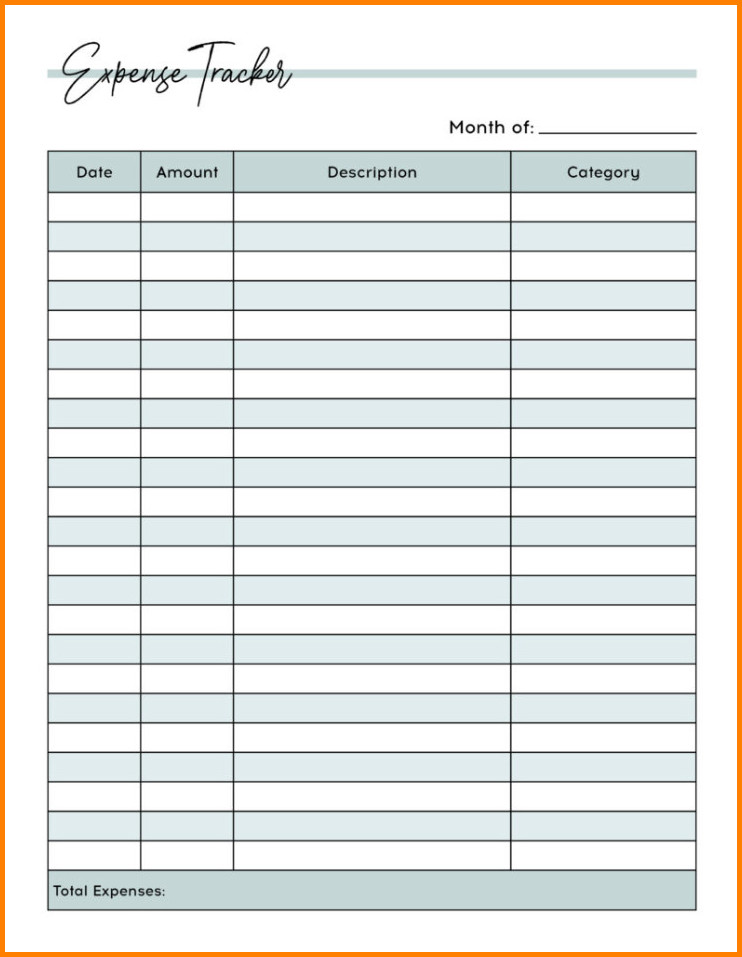
An expense tracker is a financial management tool designed to record, categorize, and monitor spending activities over a certain period of time. It can be as simple as a handwritten notebook or as advanced as a mobile application connected directly to bank accounts and digital payment systems. Regardless of the format, the primary goal of an expense tracker is to provide a detailed overview of how money is spent.
Expense trackers are commonly used by individuals, families, freelancers, entrepreneurs, and businesses. They help users identify spending patterns, evaluate financial habits, and maintain better control over income and expenses. In many cases, people underestimate how much they spend on small daily purchases. An expense tracker eliminates this uncertainty by creating accurate records of every transaction.
Most expense trackers categorize spending into groups such as food, transportation, housing, entertainment, healthcare, education, and utilities. Categorization allows users to understand which areas consume the largest portion of their income. For example, someone may discover they spend far more on dining out than expected, leading them to adjust their habits and save more money.
Modern digital expense trackers offer advanced features that improve convenience and accuracy. Many applications provide automatic transaction imports, visual charts, spending alerts, and monthly reports. Some tools also allow users to create budgets and compare actual spending against planned financial goals.
An expense tracker generally includes the following components:
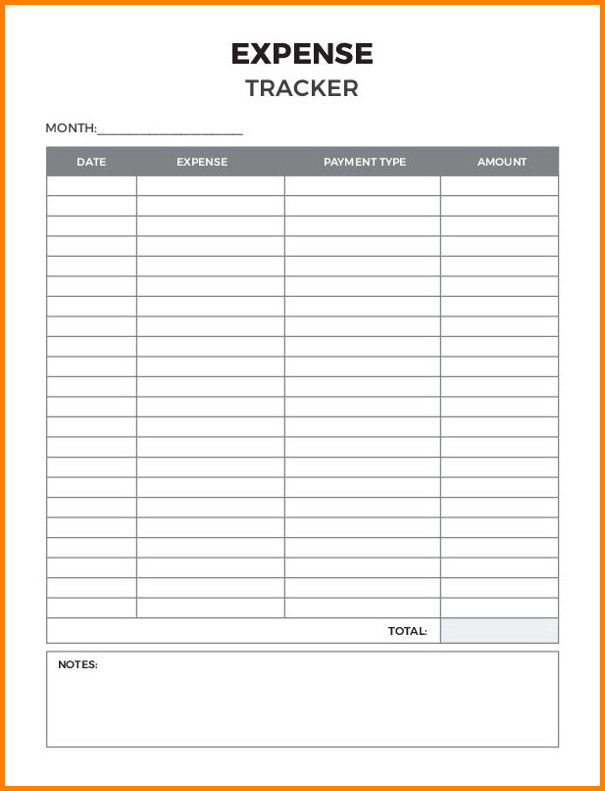
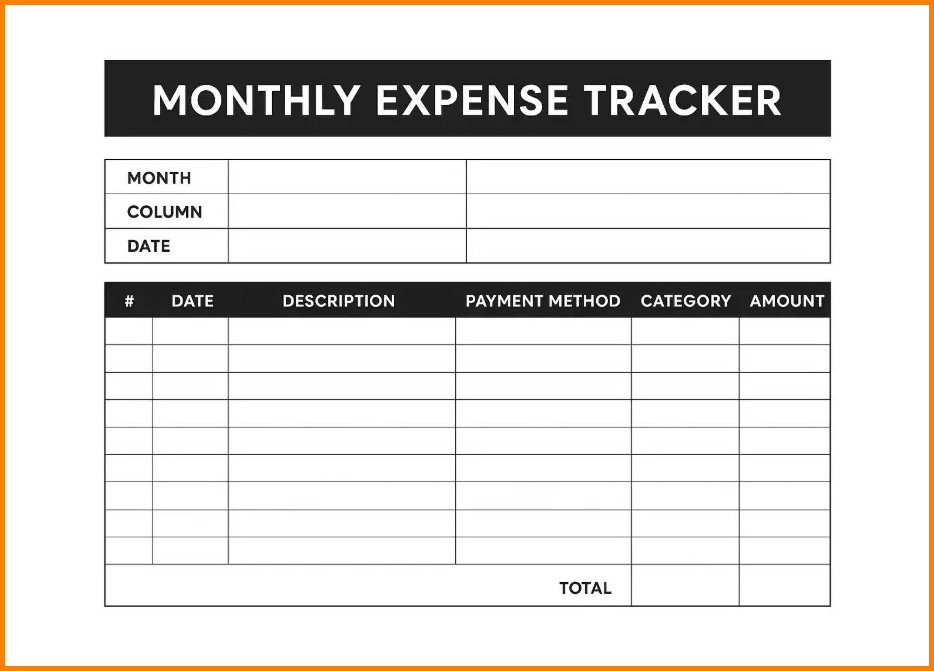
- Date of Transaction. Records the exact date when money was spent.
- Expense Category. Organizes expenses into meaningful financial groups.
- Amount Spent. Shows the exact value of each transaction.
- Payment Method. Indicates whether the purchase was made with cash, debit card, credit card, or digital wallet.
- Description. Provides additional details about the expense.
- Budget Tracking. Compares spending with monthly financial targets.
Expense trackers are valuable because they encourage financial awareness. Instead of guessing where money goes, users gain precise insights into their financial behavior. This awareness often leads to better decision-making and stronger financial discipline.
For businesses, expense trackers help manage operational costs and maintain organized financial records. Companies can monitor travel expenses, office supplies, employee reimbursements, and project-related spending more effectively.
Ultimately, an expense tracker is more than a budgeting tool. It is a financial companion that supports smarter money management, long-term planning, and greater financial confidence.
Benefits of Using an Expense Tracker
Using an expense tracker provides numerous financial and psychological benefits. One of the biggest advantages is improved financial awareness. Many people are surprised when they discover how much they spend on non-essential purchases each month. Tracking expenses creates visibility and helps users understand their true financial situation.
Another major benefit is better budgeting. Expense trackers help users compare their spending against income and financial goals. By identifying areas of overspending, individuals can make adjustments that improve savings and reduce financial stress.
Expense trackers also support debt management. People with loans or credit card balances can use tracking tools to monitor payments and avoid unnecessary spending. Small adjustments in daily habits can free up additional money for debt repayment, helping users become financially independent faster.
Financial planning becomes easier with consistent expense tracking. Users can prepare for future goals such as buying a home, funding education, traveling, or building emergency savings. Accurate spending records make it easier to estimate future financial needs and create realistic budgets.
Expense trackers are also highly effective for reducing impulsive spending. When individuals know every purchase will be recorded, they often think more carefully before spending money unnecessarily. This increased mindfulness encourages healthier financial habits.
Another important advantage is stress reduction. Financial uncertainty often causes anxiety and tension. Expense trackers provide clarity and control, helping users feel more confident about managing their money.
Businesses also benefit significantly from expense tracking. Companies can monitor operational costs, analyze spending trends, and identify opportunities for cost reduction. Accurate financial records also simplify tax preparation and auditing processes.
Additional benefits of expense trackers include:
- Improved Saving Habits. Users become more intentional about setting aside money for future goals.
- Better Financial Discipline. Tracking encourages responsible spending decisions.
- Clear Spending Analysis. Reports and charts help users identify financial patterns.
- Reduced Financial Waste. Unnecessary subscriptions and impulse purchases become easier to detect.
- Enhanced Goal Setting. Expense tracking supports short-term and long-term financial objectives.
In today’s digital age, many expense tracking applications also offer automation features that simplify financial management. Users receive notifications when approaching budget limits and can generate detailed reports instantly.
Overall, the benefits of using an expense tracker extend far beyond budgeting. It empowers individuals and businesses to make informed financial decisions, reduce stress, and build stronger financial futures.
How to Use an Expense Tracker
Using an expense tracker effectively requires consistency, organization, and commitment. Although the process may seem overwhelming at first, it becomes easier with regular practice. The key is to develop a habit of recording expenses accurately and reviewing financial data regularly.
The first step is choosing the right expense tracking method. Some people prefer traditional spreadsheets or notebooks, while others use mobile applications or financial software. The best option depends on personal preferences, financial complexity, and technological comfort.
After selecting a tracking method, users should create categories for expenses. Common categories include housing, transportation, groceries, dining, entertainment, healthcare, utilities, education, savings, and debt payments. Clear categorization improves financial analysis and budgeting accuracy.
The next step is recording every expense consistently. Even small purchases matter because minor daily expenses can accumulate significantly over time. For example, frequent coffee purchases or food delivery orders may appear insignificant individually but become substantial monthly expenses.
Many digital expense trackers allow users to connect bank accounts and credit cards for automatic transaction imports. Automation saves time and reduces manual entry errors. However, users should still review transactions regularly to ensure accuracy.
Setting financial goals is another important part of using an expense tracker. Goals may include reducing unnecessary spending, increasing savings, paying off debt, or preparing for emergencies. Tracking progress motivates users and encourages long-term financial discipline.
Reviewing expense reports regularly is essential. Weekly or monthly reviews help users identify trends, compare spending with budgets, and make necessary adjustments. For example, if entertainment expenses exceed the planned budget, users can reduce discretionary spending during the following month.
Successful expense tracking also involves maintaining realistic expectations. Financial improvement takes time, and occasional setbacks are normal. The goal is gradual progress rather than perfection.
Helpful practices for effective expense tracking include:
- Track Expenses Daily. Recording purchases immediately prevents forgotten transactions.
- Use Budget Limits. Establish spending caps for each category.
- Review Financial Reports. Analyze trends and spending habits regularly.
- Separate Needs from Wants. Distinguish essential expenses from optional spending.
- Monitor Savings Progress. Celebrate milestones to stay motivated.
Expense tracking becomes more valuable over time because users develop a deeper understanding of their financial behavior. Consistent tracking creates opportunities for smarter budgeting, stronger savings, and greater financial independence.
Effective Tips For Reducing Your Expenses
Reducing expenses is one of the most effective ways to improve financial health and increase savings. Expense trackers make this process easier by identifying areas where money is being spent unnecessarily. Once spending patterns become visible, users can implement practical strategies to reduce costs without sacrificing financial stability.
1. Create a Realistic Budget
A realistic budget serves as the foundation for expense reduction. Budgets help individuals allocate money wisely and avoid overspending. The budget should include essential expenses such as housing, food, transportation, and savings while limiting discretionary spending.
2. Eliminate Unnecessary Subscriptions
Many people pay for streaming services, memberships, or software subscriptions they rarely use. Reviewing recurring expenses regularly helps identify unnecessary charges that can be canceled to save money each month.
3. Reduce Impulse Purchases
Impulse spending is a major financial challenge for many individuals. Expense trackers increase awareness of purchasing habits and encourage more thoughtful decision-making. Waiting before making non-essential purchases often reduces unnecessary spending.
4. Cook More Meals at Home
Dining out frequently can consume a significant portion of monthly income. Preparing meals at home is usually more affordable and allows better control over food expenses. Planning weekly meals can further reduce waste and overspending.
5. Compare Prices Before Buying
Price comparison helps consumers find better deals and avoid overpaying. Online shopping platforms and budgeting applications often provide tools for comparing prices across multiple sellers.
6. Use Public Transportation
Transportation costs can increase quickly due to fuel prices, parking fees, and vehicle maintenance. Using public transportation, carpooling, or walking when possible can significantly reduce monthly expenses.
7. Set Savings Goals
Clear savings goals motivate people to reduce unnecessary spending. Whether saving for a vacation, an emergency fund, or a home purchase, having a specific target encourages stronger financial discipline.
8. Monitor Utility Usage
Electricity, water, and internet bills can often be reduced through simple lifestyle adjustments. Turning off unused devices, using energy-efficient appliances, and monitoring household consumption can lower monthly utility expenses.
Tips for Successful Saving with an Expense Tracker
Saving money consistently requires discipline, planning, and awareness. An expense tracker supports successful saving by helping users monitor spending habits and identify opportunities to allocate more money toward savings goals.
One of the most important saving strategies is paying yourself first. This means setting aside savings immediately after receiving income before spending on discretionary purchases. Automatic transfers to savings accounts make this process easier and more consistent.
Creating emergency funds is another critical financial goal. Unexpected expenses such as medical bills, car repairs, or job loss can create financial stress. An expense tracker helps users build emergency savings gradually by identifying unnecessary spending that can be redirected toward savings.
Tracking progress regularly also improves motivation. Seeing savings grow over time encourages continued financial discipline and helps users stay focused on long-term goals.
Expense trackers also support smarter spending decisions. By analyzing spending reports, users can distinguish between essential and non-essential purchases more effectively. This awareness often leads to reduced waste and improved savings habits.
Setting realistic financial goals is essential for sustainable saving. Unrealistic expectations may lead to frustration and abandonment of financial plans. Small, achievable milestones create positive momentum and long-term consistency.
- Automate Savings. Schedule automatic transfers into savings accounts each month.
- Track Every Expense. Consistent tracking provides accurate financial awareness.
- Set Clear Goals. Define specific financial objectives for motivation and direction.
- Review Spending Habits. Identify wasteful expenses and redirect funds toward savings.
- Build Emergency Funds. Prepare for unexpected financial situations.
- Stay Consistent. Long-term financial improvement requires regular commitment and discipline.
The Future of Expense Tracking and Financial Management
The future of expense tracking is increasingly influenced by technology, automation, and artificial intelligence. Modern financial tools are becoming smarter, faster, and more personalized, allowing users to manage their money more efficiently than ever before.
Artificial intelligence is transforming expense tracking by automatically categorizing transactions, detecting unusual spending patterns, and providing personalized budgeting recommendations. AI-powered applications can analyze financial habits and suggest practical ways to reduce expenses or improve savings.
Mobile accessibility is another important trend. People now manage finances directly from smartphones, making expense tracking more convenient and accessible. Real-time notifications and digital payment integration help users stay informed about their financial activities instantly.
Cloud technology also improves financial management by enabling secure data storage and synchronization across multiple devices. Users can access expense records anytime and anywhere, increasing flexibility and convenience.
Another growing trend is the integration of expense trackers with banking systems and investment platforms. These integrations provide comprehensive financial overviews, allowing users to manage spending, savings, investments, and debt in a single application.
Financial education is also becoming more accessible through expense tracking applications. Many platforms now include budgeting tutorials, saving challenges, and financial insights that help users improve their financial literacy.
As digital transformation continues, expense trackers will become even more advanced, helping individuals and businesses achieve greater financial stability, smarter spending habits, and long-term financial success.
