In the fast-paced world of business, staying ahead of the competition and meeting customer demands is crucial for success. This is where gap analysis comes into play. Gap analysis is a strategic tool that helps organizations identify the gaps between their current state and their desired future state. By pinpointing areas needing improvement, businesses can prioritize resources and develop action plans to bridge these gaps effectively.
What is Gap Analysis?
Gap analysis is a systematic process that involves comparing an organization’s actual performance with its goals and objectives. It helps businesses identify areas where they are falling short and need improvement to reach their desired future state. By analyzing the discrepancies between the current and future states, organizations can develop strategies to close these gaps and achieve their objectives effectively.
When conducting a gap analysis, businesses assess various aspects of their operations, including processes, systems, skills, resources, and performance metrics. This evaluation helps organizations gain a clear understanding of where they stand and what steps they need to take to move closer to their goals.
Benefits of Gap Analysis for Businesses
- Identifying Areas for Improvement: Gap analysis helps businesses pinpoint specific areas that are not meeting their desired performance levels.
- Setting Priorities: By prioritizing resources based on the identified gaps, organizations can focus on the most critical areas needing improvement.
- Developing Action Plans: Gap analysis enables businesses to create detailed action plans to bridge the identified gaps effectively.
- Enhancing Performance: By closing the gaps between the current and future states, organizations can enhance their overall performance and achieve their objectives efficiently.
- Improving Decision-Making: Gap analysis provides valuable insights that help businesses make informed decisions and allocate resources effectively.
Types of Gap Analysis
There are several types of gap analysis that organizations can utilize based on their specific needs and objectives. Some common types include performance gap analysis, market gap analysis, product gap analysis, and strategic gap analysis. Each type focuses on different aspects of the business and helps identify the areas needing improvement to align with the desired future state.
When to Use a Gap Analysis?
Gap analysis is a versatile tool that can be used in various scenarios, such as:
- Strategic Planning: When developing long-term strategies and goals for the organization.
- Process Improvement: To streamline operations and enhance efficiency within the organization.
- Product Development: When launching new products or services to meet customer needs and expectations.
- Performance Evaluation: To assess the performance of teams, departments, or the organization as a whole.
How to Perform Gap Analysis
Performing a successful gap analysis involves the following steps:
1. Identify the Current State: Assess the organization’s current performance, processes, and resources.
2. Define the Future State: Clearly outline the desired goals and objectives that the organization aims to achieve.
3. Conduct a Gap Analysis: Compare the current state with the future state to identify the gaps that need to be addressed.
4. Develop Action Plans: Create detailed action plans to bridge the identified gaps effectively.
5. Implement Strategies: Execute the action plans and monitor progress to ensure the gaps are being closed.
6. Review and Adjust: Regularly review the gap analysis results and adjust strategies as needed to stay on track towards the desired future state.
Gap Analysis Reports
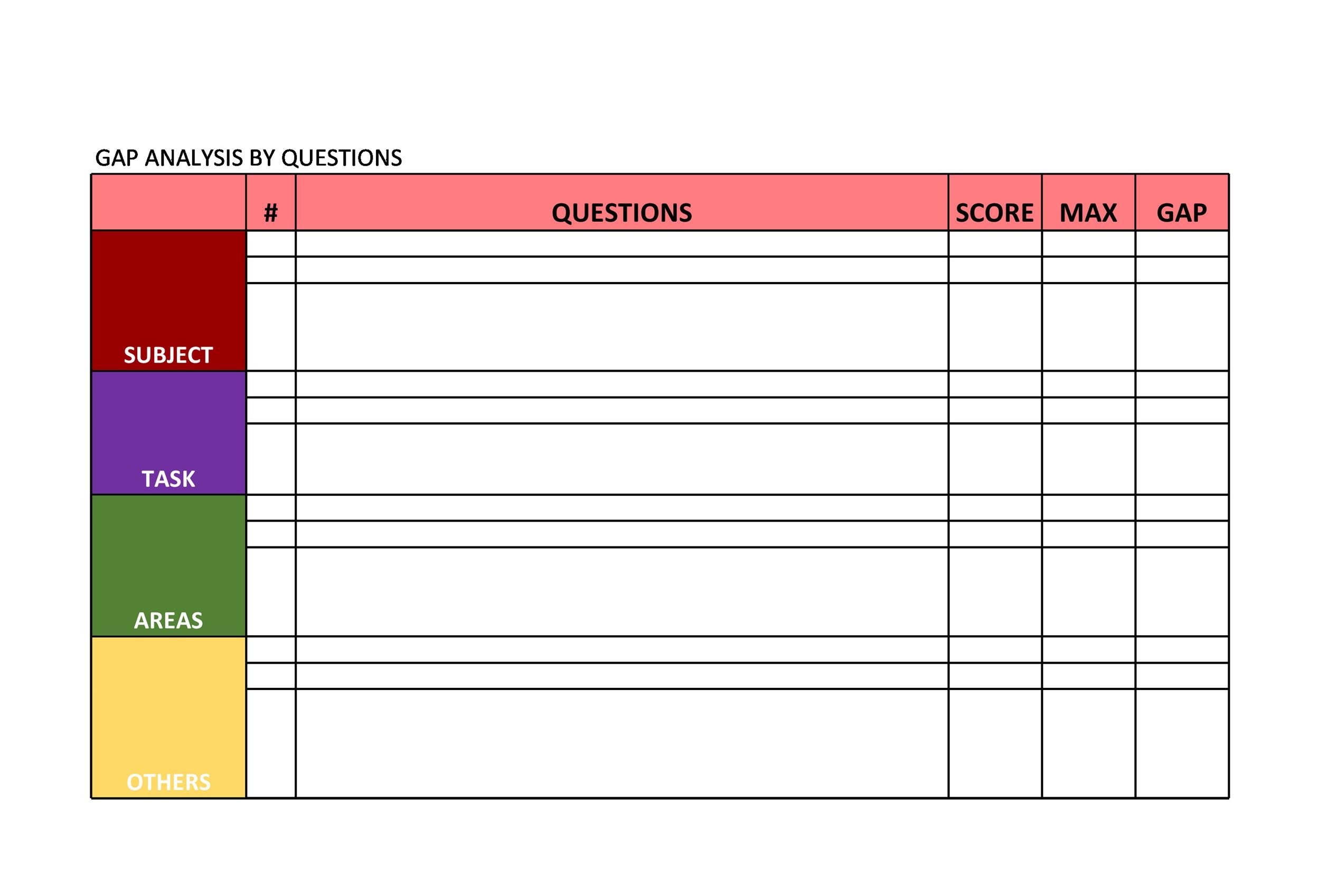
Once the gap analysis is completed, organizations can create detailed reports to document the findings, recommendations, and action plans. These reports provide valuable insights for stakeholders, decision-makers, and team members to understand the gaps that need to be addressed and the strategies in place to close them effectively.
Tips for Writing Your Gap Analysis
When preparing your gap analysis report, consider the following tips:
- Be Specific: Clearly define the gaps and provide specific details on the areas needing improvement.
- Include Actionable Recommendations: Provide actionable recommendations and strategies to bridge the identified gaps effectively.
- Involve Stakeholders: Engage stakeholders and team members in the gap analysis process to ensure buy-in and collaboration on the action plans.
- Monitor Progress: Regularly monitor and track the progress of implementing the action plans to ensure the gaps are being closed effectively.
In conclusion, gap analysis is a valuable tool for businesses to identify areas needing improvement, prioritize resources, and develop action plans to bridge the gaps between their current and future states. By leveraging the insights gained from a gap analysis, organizations can enhance their performance, make informed decisions, and achieve their desired objectives effectively.
