A general power of attorney is a legal document that grants an agent broad authority to act on your behalf in a wide range of financial and legal matters for a limited time, while you still have the mental capacity to manage your own affairs. This can be incredibly useful in situations where you are temporarily unable to handle these tasks yourself, such as while traveling, in the hospital, or if you need someone to manage your business. It is important to understand the key elements of general power of attorney and how it can benefit you in various circumstances.
What is General Power of Attorney?
General power of attorney is a legal document that allows you to appoint an agent to make financial and legal decisions on your behalf. This document grants the agent broad authority to act on your behalf in a wide range of matters, such as managing your finances, signing contracts, and making legal decisions. It is important to note that the authority granted under a general power of attorney ends if you become mentally incapacitated, or it can be revoked by you at any time as long as you are competent.
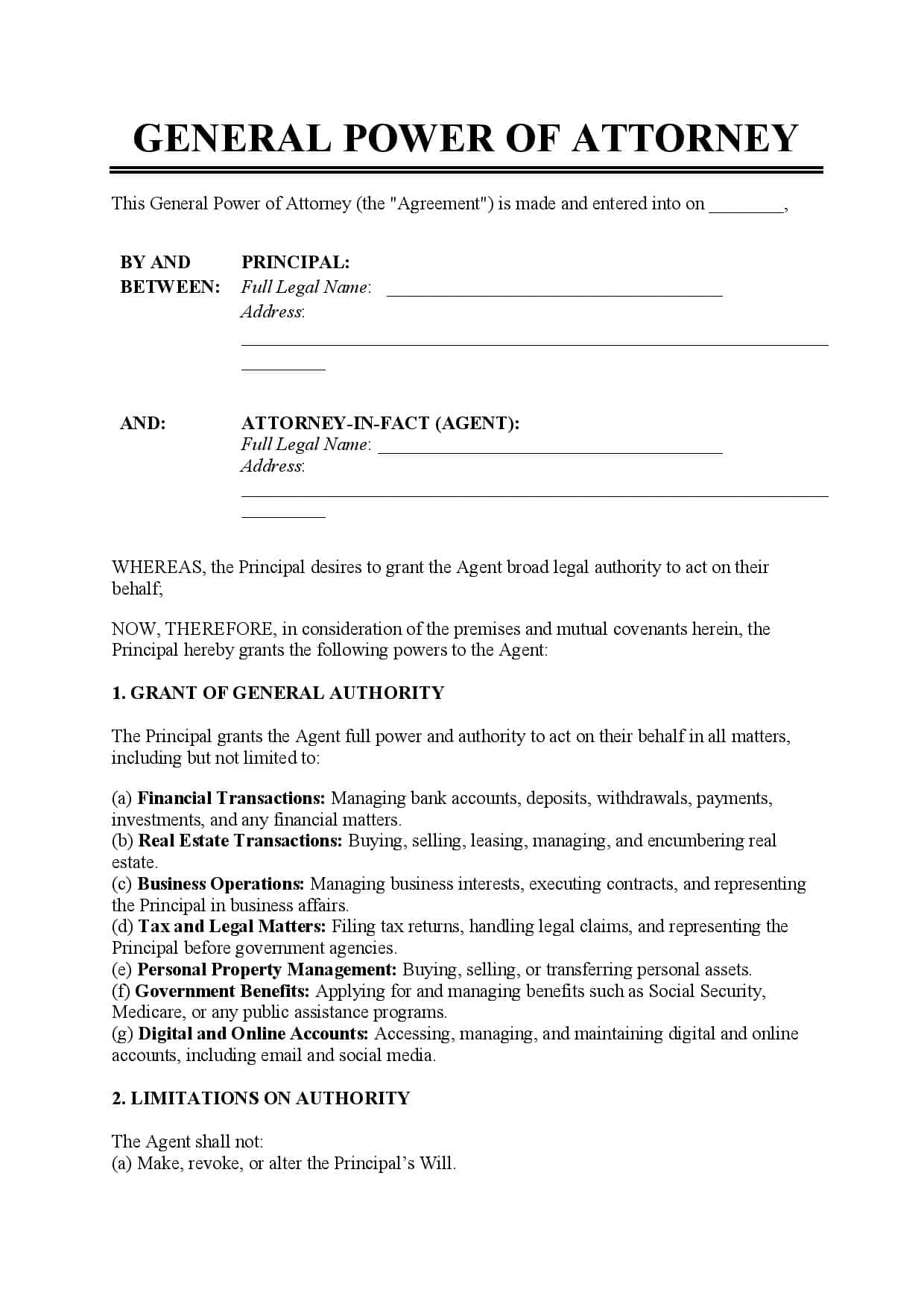
Why Should You Consider General Power of Attorney?
There are several reasons why you may want to consider creating a general power of attorney. Some of the key benefits include:
- Temporary Incapacity: General power of attorney can be useful when you are temporarily unable to handle your financial and legal affairs, such as when you are traveling or in the hospital.
- Business Management: If you own a business, appointing an agent under a general power of attorney can ensure that your business continues to operate smoothly in your absence.
- Convenience: Having a trusted agent to handle your financial and legal matters can provide peace of mind and make it easier to manage your affairs.
Key Elements of General Power of Attorney
When creating a general power of attorney, several key elements should be included in the document:
- Agent: The person you appoint to act on your behalf is known as the agent or attorney-in-fact.
- Powers Granted: The document should specify the powers granted to the agent, such as managing finances, signing contracts, and making legal decisions.
- Duration: General power of attorney is typically effective for a limited time and ends if you become mentally incapacitated.
- Revocation: You have the right to revoke the general power of attorney at any time as long as you are competent.
How to Create a General Power of Attorney
Creating a general power of attorney involves several steps, including:
- Consultation: Seek advice from a legal professional to understand the implications of creating a general power of attorney.
- Drafting the Document: Work with a lawyer to draft a general power of attorney that meets your specific needs and requirements.
- Signing and Notarization: The document must be signed and notarized to make it legally binding.
Tips for Using General Power of Attorney
When using a general power of attorney, consider the following tips to ensure that your interests are protected:
- Choose a Trusted Agent: Select an agent who is trustworthy and capable of making decisions on your behalf.
- Review the Document Regularly: Periodically review the general power of attorney to ensure that it still reflects your wishes and needs.
- Communicate with Your Agent: Keep open lines of communication with your agent to ensure that they understand your preferences and expectations.
Conclusion
General power of attorney can be a valuable tool for managing your financial and legal affairs in situations where you are unable to do so yourself. By understanding the key elements of general power of attorney and following the tips for using it effectively, you can ensure that your interests are protected and your affairs are managed in a way that meets your needs and preferences.
General Power of Attorney Template
