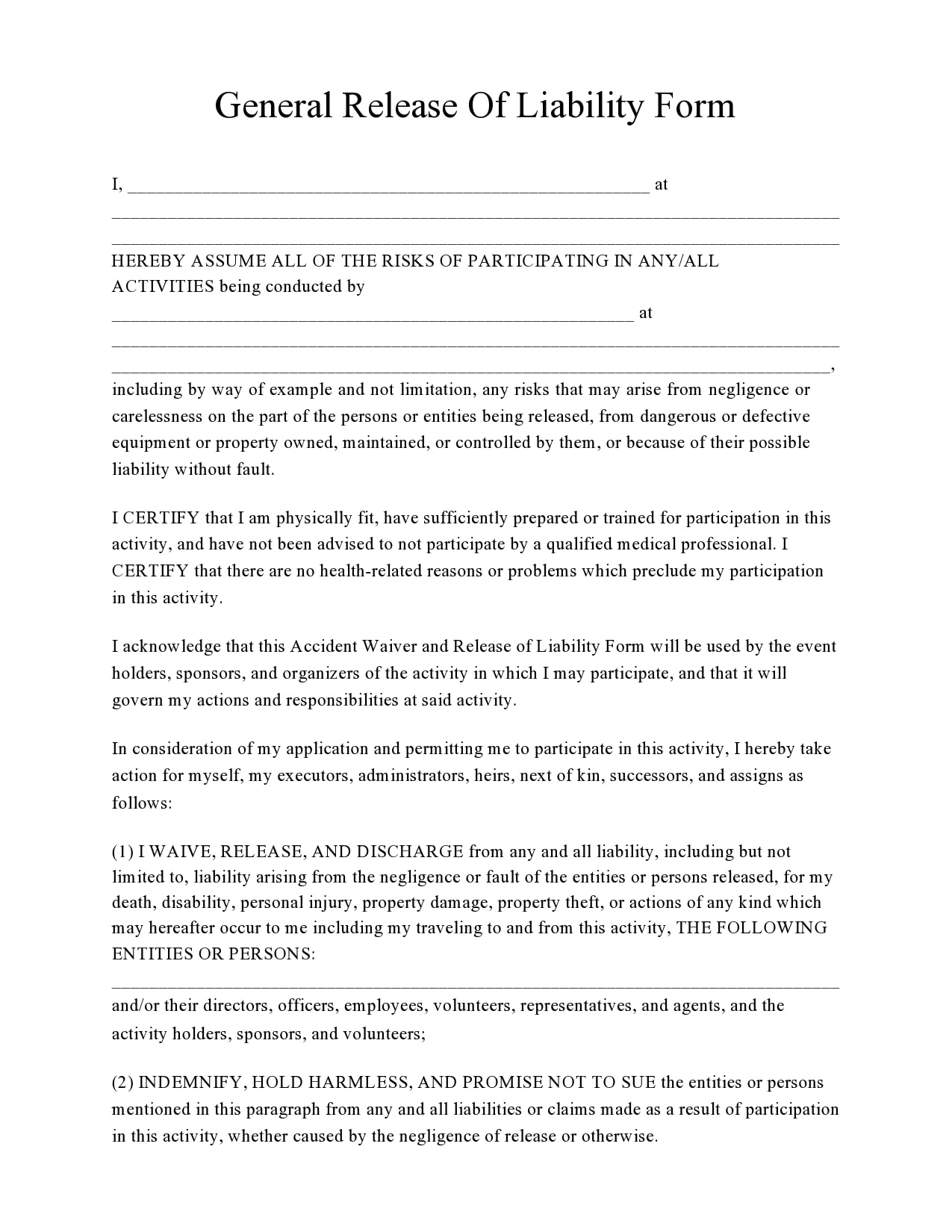
When engaging in activities or services that may involve some level of risk, it’s essential to understand the concept of a general release of liability form. This legal document serves as a contract between two parties, protecting the host from potential lawsuits by having the participant waive their right to legal action for any injuries, damages, or losses that may occur during the activity. By signing the release form, the participant acknowledges and assumes certain inherent risks, releasing the host from legal responsibility for negligence or other claims that may arise.
What is a Release of Liability Form?
A release of liability form, also known as a waiver or hold harmless agreement, is a legal document that outlines the potential risks associated with participating in an activity or service. By signing the form, the participant agrees to waive their right to sue the host for any injuries, damages, or losses that may occur during the event. This document is commonly used in various settings such as sports events, recreational activities, fitness classes, and even volunteer work.
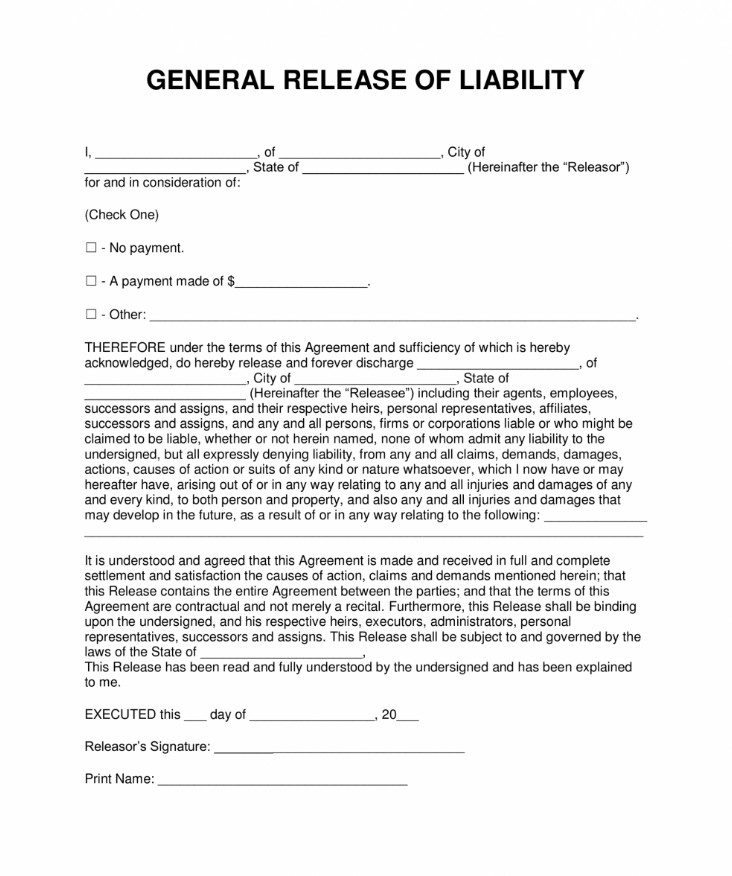
Types of Liability Release Forms
There are different types of liability release forms tailored to specific activities and services. Some common forms include:
- Activity-Specific Release Forms. These forms are designed for specific activities such as rock climbing, skydiving, or water sports, outlining the unique risks associated with each activity.
- General Liability Release Forms. These forms are broader and cover a wide range of activities, typically used for events or services that involve multiple activities.
- Minor Release Forms. These forms are used when minors are participating in an activity, requiring a parent or guardian to sign on behalf of the minor.
When to Use a Release Form?
It’s important to use a release of liability form whenever there is a possibility of risk involved in an activity or service. Whether you’re organizing a charity event, hosting a fitness class, or running a recreational program, having participants sign a release form can help protect you from potential legal disputes in case of accidents or injuries.
Components of a General Release of Liability Form
A general release of liability form typically includes the following components:
- Participant Information. This section collects basic information about the participant, including their name, contact details, and emergency contact information.
- Description of Activity. The form should clearly outline the nature of the activity or service, including any potential risks involved.
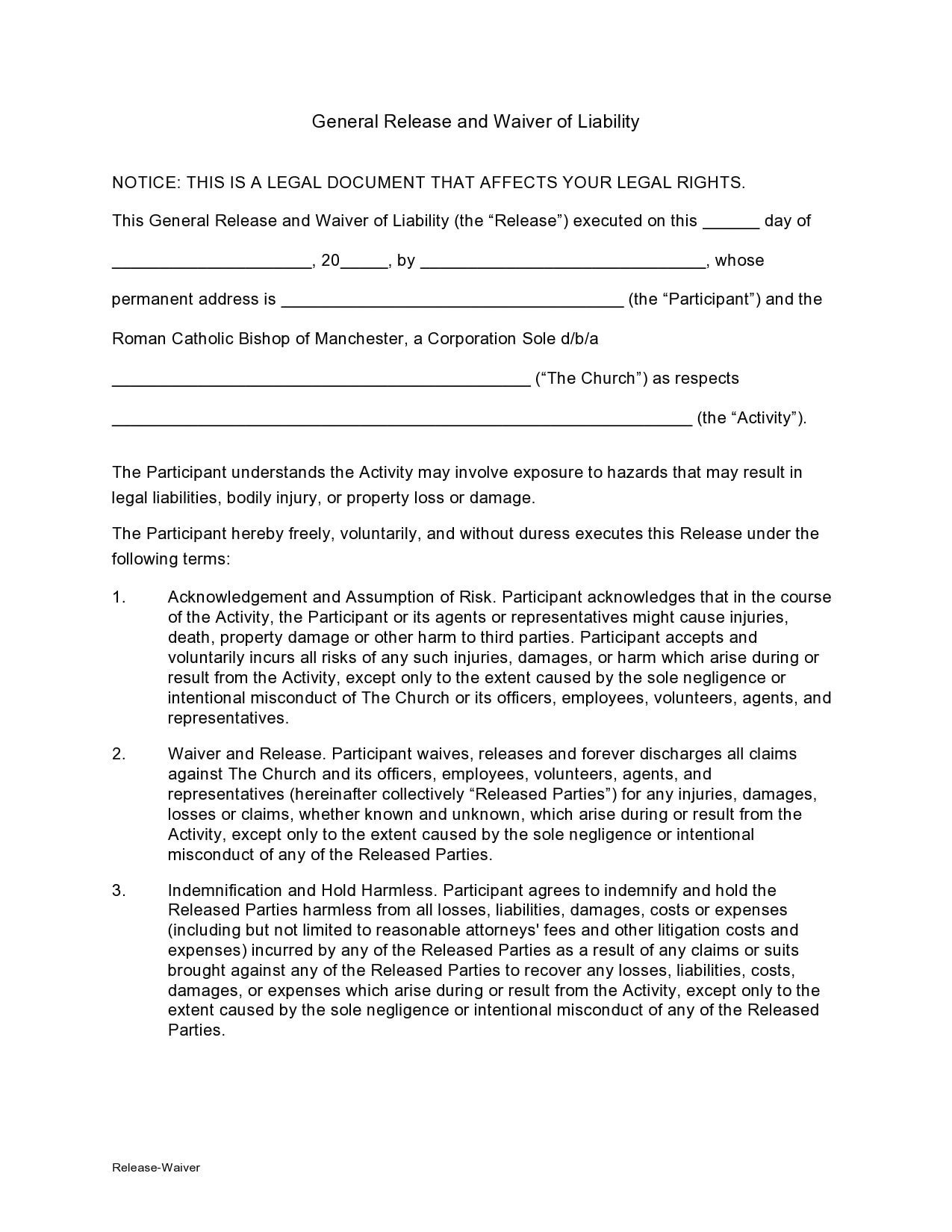
- Waiver of Liability. This section states that the participant understands and accepts the risks associated with the activity and agrees to release the host from any liability.
- Indemnification Clause. The participant agrees to indemnify and hold harmless the host from any claims or liabilities arising from their participation.
- Signature and Date. Both parties must sign and date the form to make it legally binding.
Quick Tips and Things to Avoid
When creating or using a general release of liability form, consider the following tips:
- Be Clear and Specific. Clearly outline the risks involved in the activity and ensure that participants understand what they are agreeing to.
- Consult with Legal Counsel. If you’re unsure about the language or content of the form, seek advice from a legal professional to ensure its validity.
- Avoid Ambiguity. Make sure the terms of the release form are straightforward and easily understood to prevent any misinterpretation.
- Keep Records. Keep signed copies of the release forms on file for future reference in case of any disputes or claims.
General Release of Liability Form Template
