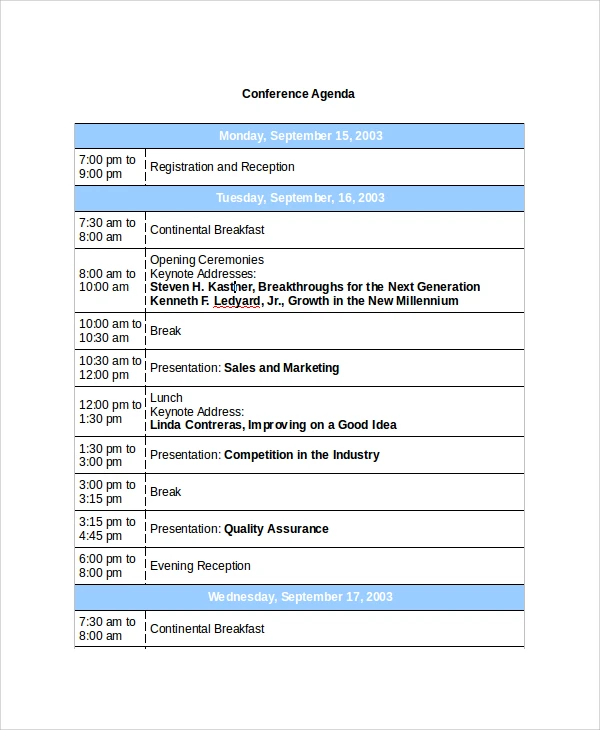
When planning a conference, one of the key elements that often gets overlooked is the conference agenda. The agenda serves as the roadmap for your event, providing attendees with a clear outline of what to expect and when. It is essential to create a well-structured and informative agenda that will help attendees navigate the conference seamlessly.
Let’s dive deeper into the significance of a well-designed conference agenda and how you can create one that will leave a lasting impact on your attendees.
What Is in a Conference Agenda?
A conference agenda is a detailed schedule of the various sessions, workshops, speakers, and activities that will take place during the event. It typically includes the date, time, location, and description of each session, as well as any special events or networking opportunities. A well-crafted agenda will provide attendees with all the information they need to make the most of their conference experience.
Benefits of a Well-Designed Conference Agenda
Having a well-designed conference agenda offers numerous benefits for both attendees and organizers. For attendees, a clear and informative agenda helps them plan their schedule, prioritize sessions, and maximize their learning opportunities. It also ensures that they don’t miss out on any important sessions or networking events. For organizers, a well-structured agenda can help streamline the event planning process, improve attendee satisfaction, and enhance the overall success of the conference.
What Should You Include in a Conference Agenda?
When creating a conference agenda, it is important to include the following key elements:
- Date and Time: Clearly indicate the date and time of each session or event to avoid any confusion.
- Session Titles and Descriptions: Provide a brief description of each session or workshop to give attendees a better understanding of what to expect.
- Speaker Information: Include the names and bios of all speakers, along with their session topics, to highlight their expertise and attract attendees.
- Location: Specify the venue or room where each session will take place to help attendees navigate the conference venue.
- Breaks and Networking Opportunities: Include scheduled breaks, meals, and networking sessions to give attendees time to recharge and connect with others.
Creating the Perfect Conference Agenda
To create the perfect conference agenda, follow these best practices:
- Stay Organized: Use a clear and logical format to organize your agenda, making it easy for attendees to follow.
- Be Detailed: Include all necessary information, such as session titles, speaker names, and locations, to ensure attendees have all the details they need.
- Allow Flexibility: Leave room for last-minute changes or adjustments to accommodate unforeseen circumstances.
- Seek Feedback: Before finalizing your agenda, get input from key stakeholders, speakers, and potential attendees to ensure it meets their needs and expectations.
Conference Agenda Best Practices
Here are some additional best practices to keep in mind when creating your conference agenda:
- Include Diverse Content: Offer a variety of sessions, workshops, and activities to cater to different interests and learning styles.
- Provide Ample Networking Opportunities: Schedule dedicated time for attendees to network, connect with speakers, and engage with other participants.
- Communicate Clearly: Use simple language and clear instructions to ensure attendees can easily understand the agenda and navigate the conference.
- Utilize Technology: Consider using conference management software or mobile apps to create a digital agenda that attendees can access on their smartphones or tablets.
In Conclusion
A well-structured and informative conference agenda is essential for the success of your event. By following best practices and including key elements, you can create an agenda that will serve as the source of truth for your attendees and help them navigate the conference with ease. Remember to seek feedback, stay organized, and provide ample networking opportunities to ensure your conference agenda meets the needs and expectations of your attendees.
Conference Agenda Template – Free Download
