In today’s information-driven world, people are constantly exposed to large amounts of data, statistics, and detailed explanations. Whether in business, healthcare, education, government, or marketing, presenting information in a clear and concise manner has become increasingly important. This is where a fact sheet proves highly valuable.
A fact sheet is a structured document designed to summarize essential information about a topic, organization, product, event, or issue in a format that is easy to read and understand. Instead of overwhelming readers with lengthy reports or complicated documents, fact sheets provide the most important points quickly and effectively. Organizations use them to improve communication, support decision-making, and educate audiences in a professional yet accessible way. From corporate profiles and medical awareness campaigns to product launches and environmental reports, fact sheets are powerful communication tools that simplify complex information while maintaining accuracy and credibility.
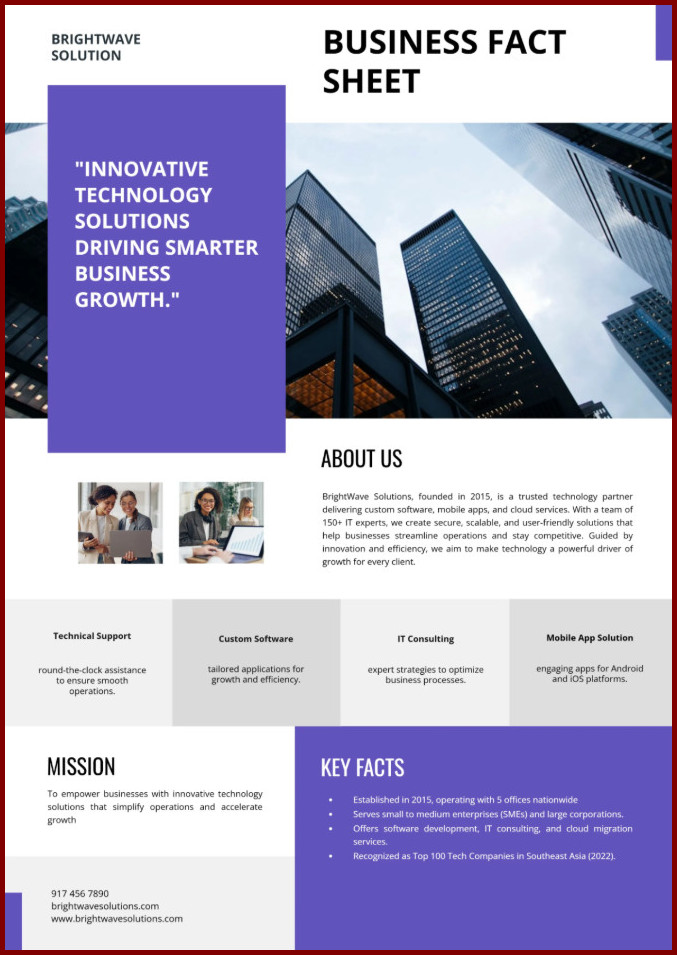
What is a Fact Sheet?
A fact sheet is a concise document that presents key information about a specific subject in a simple, organized, and visually accessible format. The main purpose of a fact sheet is to communicate important details quickly without requiring readers to go through lengthy explanations or technical reports. Fact sheets are commonly used in business, healthcare, education, government, public relations, marketing, and nonprofit organizations.
Unlike traditional reports, a fact sheet focuses only on the most essential points. It often includes short paragraphs, bullet lists, statistics, headings, and visuals to improve readability. Most fact sheets are designed to fit on a single page, although more detailed versions may extend to multiple pages depending on the complexity of the topic.
A fact sheet can cover a wide variety of subjects. For example, a company may create a fact sheet to introduce its services and achievements to investors or customers. A healthcare organization might use one to educate the public about disease prevention, symptoms, and treatment options. Educational institutions often distribute fact sheets to provide quick information about programs, admissions, or campus facilities.
One of the defining features of a fact sheet is clarity. The content should be straightforward, factual, and easy to understand by the target audience. This is especially important when explaining complicated topics such as medical conditions, financial performance, environmental issues, or scientific research.
Benefits of Fact Sheets
Key benefits of fact sheets include:
- Quick Information Delivery. Readers can understand important points within minutes.
- Improved Readability. Structured layouts make content easier to scan and absorb.
- Enhanced Professionalism. An organized presentation strengthens credibility and trust.
- Versatile Applications. Fact sheets work across multiple industries and purposes.
- Cost Efficiency. Digital distribution reduces printing and production expenses.
- Better Audience Engagement. Visual elements and concise content maintain reader attention.
Fact sheets also support decision-making. Investors, customers, employees, and stakeholders often rely on summarized information before making important choices. A well-prepared fact sheet provides the essential details needed for informed decisions.
Ultimately, fact sheets combine simplicity, professionalism, and efficiency, making them one of the most valuable communication tools in modern organizations.
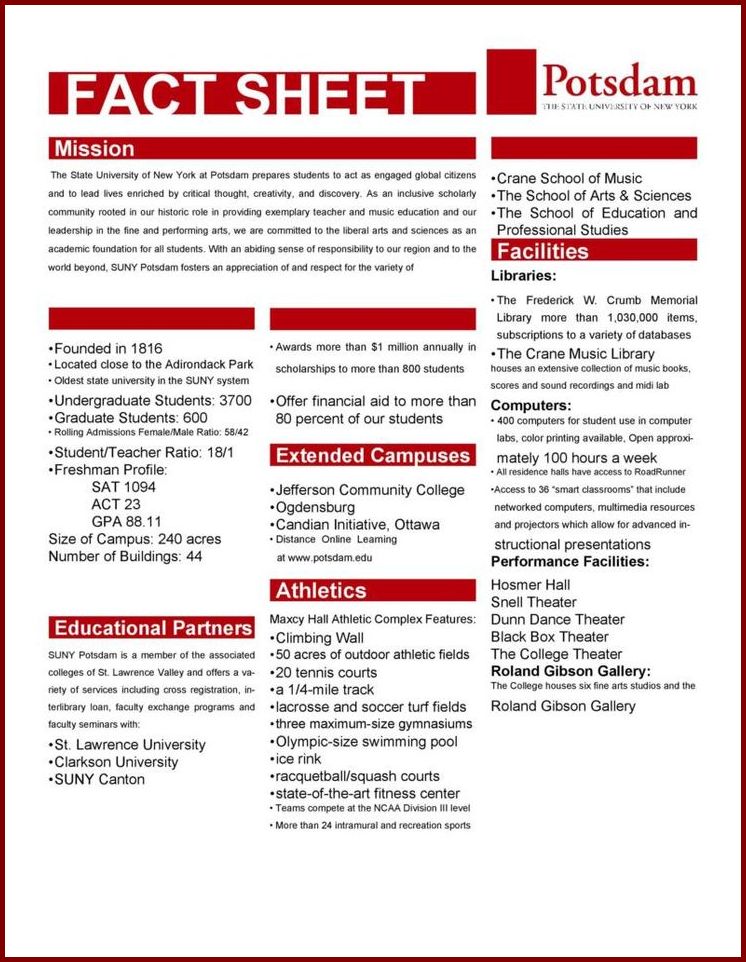
When Should You Use One?
Fact sheets are most effective when there is a need to communicate important information quickly and clearly. They are especially useful in situations where audiences require concise summaries instead of detailed reports. Understanding when to use a fact sheet helps organizations maximize their impact and effectiveness.
Businesses often use fact sheets during product launches or corporate presentations. Potential clients and investors usually prefer short, informative documents that highlight key features, benefits, and statistics. A fact sheet can provide an immediate overview without overwhelming readers.
Healthcare providers and nonprofit organizations frequently distribute fact sheets during awareness campaigns. Topics such as mental health, disease prevention, nutrition, or environmental protection benefit from clear and accessible educational materials. Fact sheets help communities understand essential information quickly.
Educational institutions also use fact sheets for admissions, academic programs, and student resources. Prospective students and parents often seek summarized information before making enrollment decisions.
Government agencies and public organizations rely on fact sheets to explain policies, regulations, safety guidelines, and emergency procedures. In crises, concise communication becomes especially important because people need accurate information immediately.
Fact sheets are also highly effective during conferences, trade shows, workshops, and public events. Attendees can review essential information conveniently without carrying lengthy documents.
Another common use is internal communication within organizations. Human resources departments may distribute fact sheets about employee benefits, workplace policies, or training programs. Employees benefit from having clear reference materials that are easy to review.
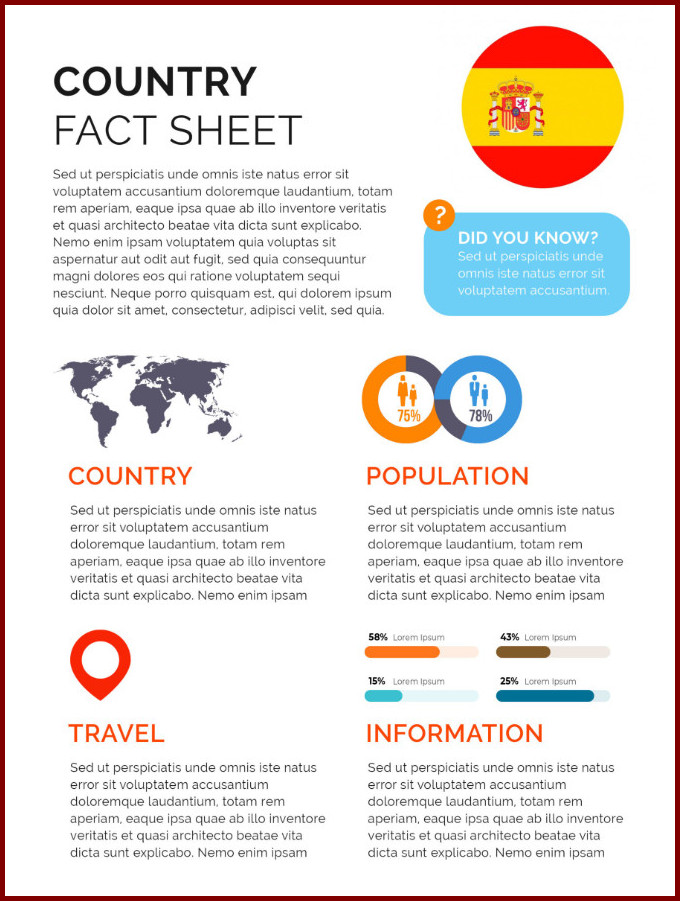
Types of Fact Sheets
Fact sheets come in many forms depending on their purpose and target audience. Each type focuses on presenting specific information clearly and professionally while meeting the needs of different industries and communication goals.
1. Company Fact Sheet
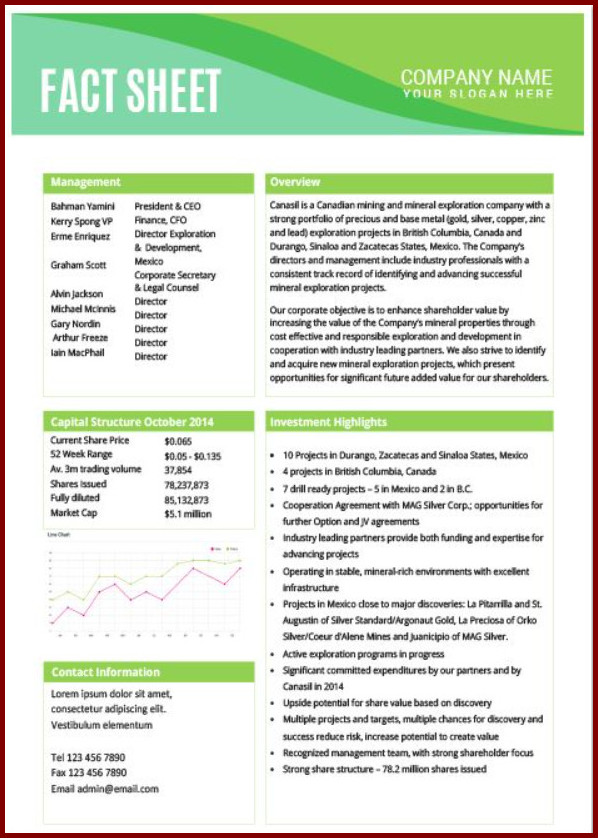
A company fact sheet provides an overview of an organization’s history, mission, services, achievements, leadership, and financial highlights. Businesses use company fact sheets during investor meetings, partnerships, media interviews, and marketing activities.
2. Mental Health Awareness Fact Sheet
Mental health awareness fact sheets educate the public about emotional well-being, mental disorders, treatment options, and support resources. These fact sheets help reduce stigma and encourage people to seek professional help when needed.
3. Product Fact Sheet
A product fact sheet highlights the features, specifications, benefits, and pricing of a product or service. Companies use product fact sheets to help customers understand what makes their offerings valuable and unique.
4. Financial Performance Fact Sheet
Financial performance fact sheets summarize important financial data such as revenue, profit margins, growth statistics, and investment performance. These documents are commonly used for shareholder communication and investor relations.
5. Medical Statistics Fact Sheet
Medical statistics fact sheets present healthcare data, disease prevalence, treatment success rates, and public health findings in a simplified format. Hospitals, researchers, and health agencies frequently use these fact sheets.
6. Environmental Impact Fact Sheet
Environmental impact fact sheets explain issues such as pollution, climate change, energy consumption, and sustainability initiatives. Organizations use them to raise awareness and encourage environmentally responsible practices.
7. Health Benefits Fact Sheet
Health benefits fact sheets focus on explaining the advantages of healthy lifestyles, nutrition, exercise, or wellness programs. Employers often distribute them to employees as part of workplace wellness initiatives.
8. Event Fact Sheet
An event fact sheet provides key details about conferences, seminars, festivals, or corporate events. It may include schedules, locations, speakers, ticket information, and event objectives.
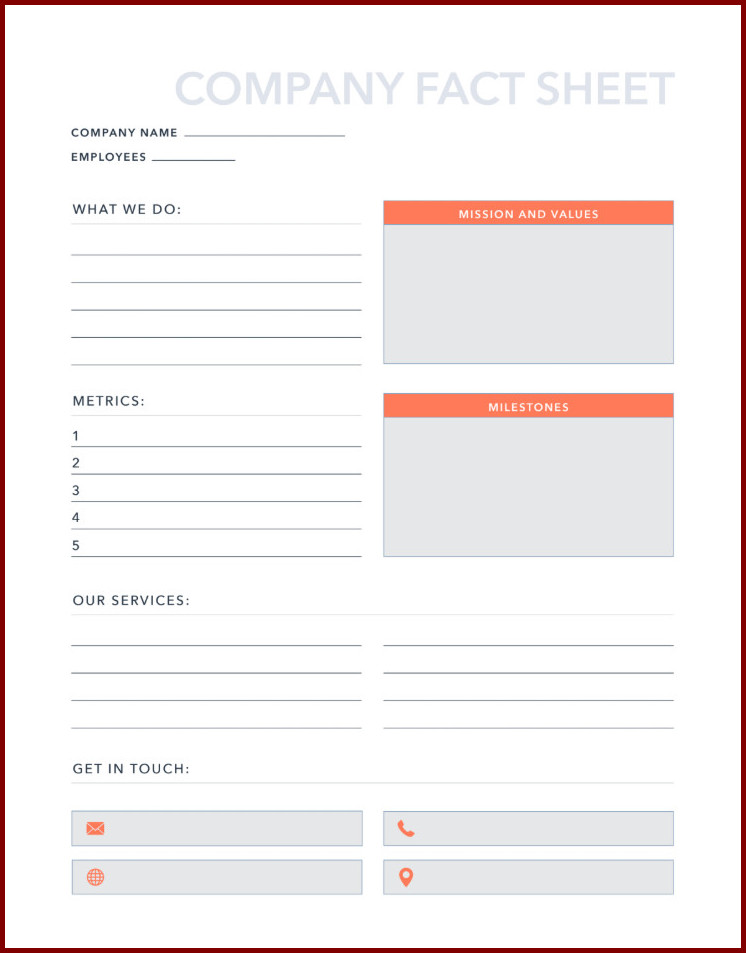
Key Sections to Include
An effective fact sheet must include essential sections that organize information clearly and logically. The structure should guide readers naturally through the content while ensuring quick comprehension.
- The title is the first and most important element because it immediately informs readers about the subject. A strong title should be concise, descriptive, and engaging.
- The introduction provides a brief overview explaining the purpose of the fact sheet and why the information matters. This section should capture attention quickly while establishing context.
- Key facts form the main body of the fact sheet. Information should be presented using short paragraphs, bullet points, charts, or tables whenever appropriate. Organizing details into categories improves readability and helps readers find information easily.
- Statistics and supporting data strengthen credibility. Accurate numbers, percentages, and research findings help readers trust the information being presented.
- Visual elements are also highly important. Icons, infographics, charts, and images improve engagement and simplify complex concepts. Visuals should support the content rather than overwhelm it.
- Contact information should always be included, especially for corporate, healthcare, or public information fact sheets. Readers may need additional details or assistance after reviewing the document.
Creating an Effective Fact Sheet
Creating an effective fact sheet requires careful planning, accurate information, and thoughtful design. A poorly organized fact sheet may confuse readers or fail to communicate important points clearly.
The first step is identifying the target audience. Understanding who will read the fact sheet helps determine the appropriate language, tone, and level of detail. A medical fact sheet for healthcare professionals may contain technical terms, while one for the general public should use simpler language.
Next, gather reliable information from trustworthy sources. Accuracy is critical because readers rely on fact sheets for quick understanding and decision-making.
Organizing content logically is also important. Information should flow naturally from the introduction to the conclusion. Headings and bullet points improve readability and help readers locate key information quickly.
Design and formatting play a major role in effectiveness. A clean layout with sufficient spacing, readable fonts, and balanced visuals creates a professional appearance.
Writers should avoid excessive jargon or overly complex explanations. Simplicity improves accessibility and engagement.
- Define the Audience. Understand who will read the fact sheet.
- Research Thoroughly. Use accurate and up-to-date information.
- Organize Clearly. Present facts in a logical structure.
- Use Visuals Wisely. Include charts, icons, or images when helpful.
- Keep It Concise. Focus only on the most important points.
- Review Carefully. Check for grammar, formatting, and factual accuracy.
Implementation
Implementing fact sheets successfully involves more than simply creating the document. Organizations must also consider distribution methods, audience accessibility, and ongoing updates to maintain relevance and effectiveness.
Digital implementation has become increasingly important in modern communication strategies. Fact sheets can be shared through websites, email newsletters, social media platforms, presentations, and downloadable PDF files. Digital formats allow organizations to reach larger audiences quickly while reducing printing costs.
Printed fact sheets remain valuable in conferences, healthcare clinics, educational institutions, trade shows, and community outreach programs. Physical copies provide convenient access for audiences who may prefer printed materials.
Organizations should also ensure that fact sheets remain updated. Outdated statistics, expired event information, or inaccurate product details can damage credibility and reduce effectiveness. Regular reviews help maintain accuracy and professionalism.
Another important aspect of implementation is branding consistency. Company logos, colors, typography, and messaging should align with overall organizational branding. Consistent branding strengthens recognition and professionalism.
Fact sheets should also be accessible to diverse audiences. Using readable fonts, clear language, and visually balanced layouts improves accessibility for readers with varying levels of expertise or literacy.
Measuring effectiveness is equally important. Organizations can evaluate audience engagement through feedback, downloads, website traffic, or event participation. This information helps improve future fact sheet strategies.
As communication continues evolving in the digital age, fact sheets remain one of the most efficient and versatile tools for sharing information clearly and professionally. Their ability to simplify complex topics while maintaining credibility ensures they will continue playing an important role in business, healthcare, education, marketing, and public communication for years to come.
