Embarking on a fitness journey can be both exciting and challenging. Whether you are looking to lose weight, gain muscle, or simply improve your overall health, keeping track of your progress is essential for staying motivated and making informed adjustments to your exercise and diet plans. One of the most effective tools for monitoring your fitness journey is a fitness log.
By recording details like workouts, weights, reps, and duration, you can see improvements, identify patterns, and set new goals. This record not only helps ensure consistency but also builds confidence and helps others, like a coach, understand your performance and patterns.
What is a Fitness Log?
A fitness log is a journal or digital tool used to track and monitor your exercise and diet progress. It allows you to record details about your workouts, such as the type of exercise, sets, reps, weights used, duration, and any additional notes.
You can also track your daily food intake, water consumption, sleep quality, and other relevant factors that impact your fitness journey. By keeping a detailed record of your activities, you can better understand your progress over time and make informed decisions to reach your goals.
Why Use a Fitness Log?
There are several reasons why using a fitness log can be beneficial for your fitness journey:
- Track Progress: By recording your workouts and diet, you can track your progress over time and see how far you have come.
- Identify Patterns: A fitness log helps you identify patterns in your behavior, such as which workouts are most effective or how your diet affects your performance.
- Set New Goals: By analyzing your log, you can set new goals based on your current progress and make adjustments to your routine to achieve them.
- Ensure Consistency: Keeping a fitness log helps you stay consistent with your workouts and diet, which is crucial for long-term success.
- Build Confidence: Seeing your progress documented in a fitness log can boost your confidence and motivation to continue working towards your goals.
- Help Others Understand: If you have a coach or trainer, sharing your fitness log with them can help them understand your performance and make personalized recommendations for improvement.
What to Include in Your Fitness Log
When creating your fitness log, consider including the following details to ensure comprehensive tracking of your progress:
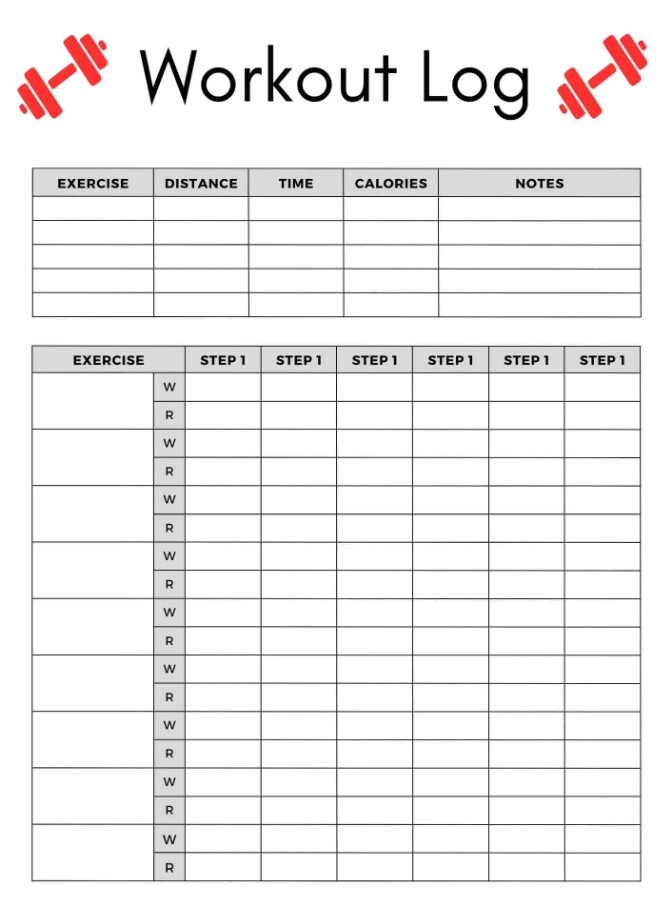
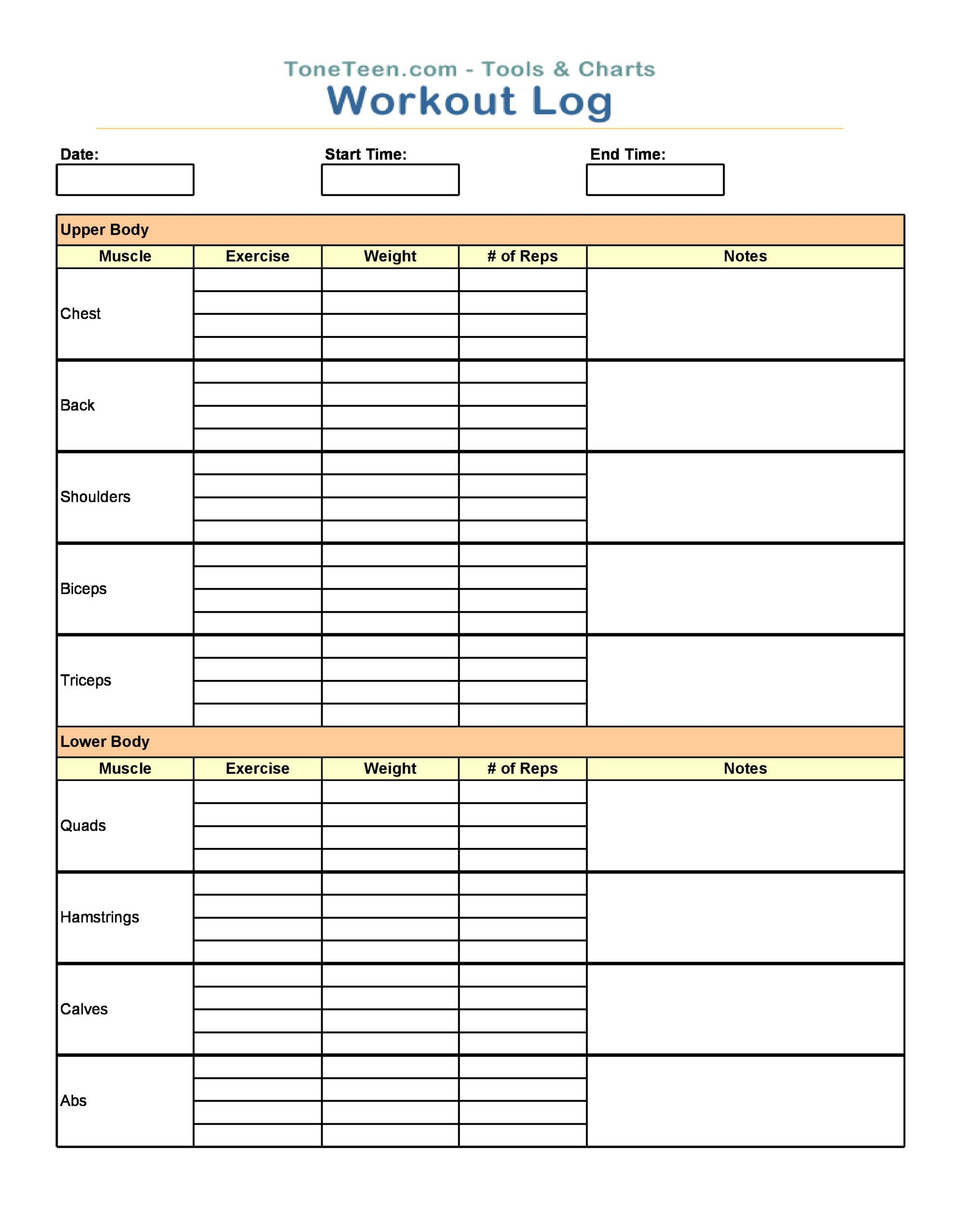
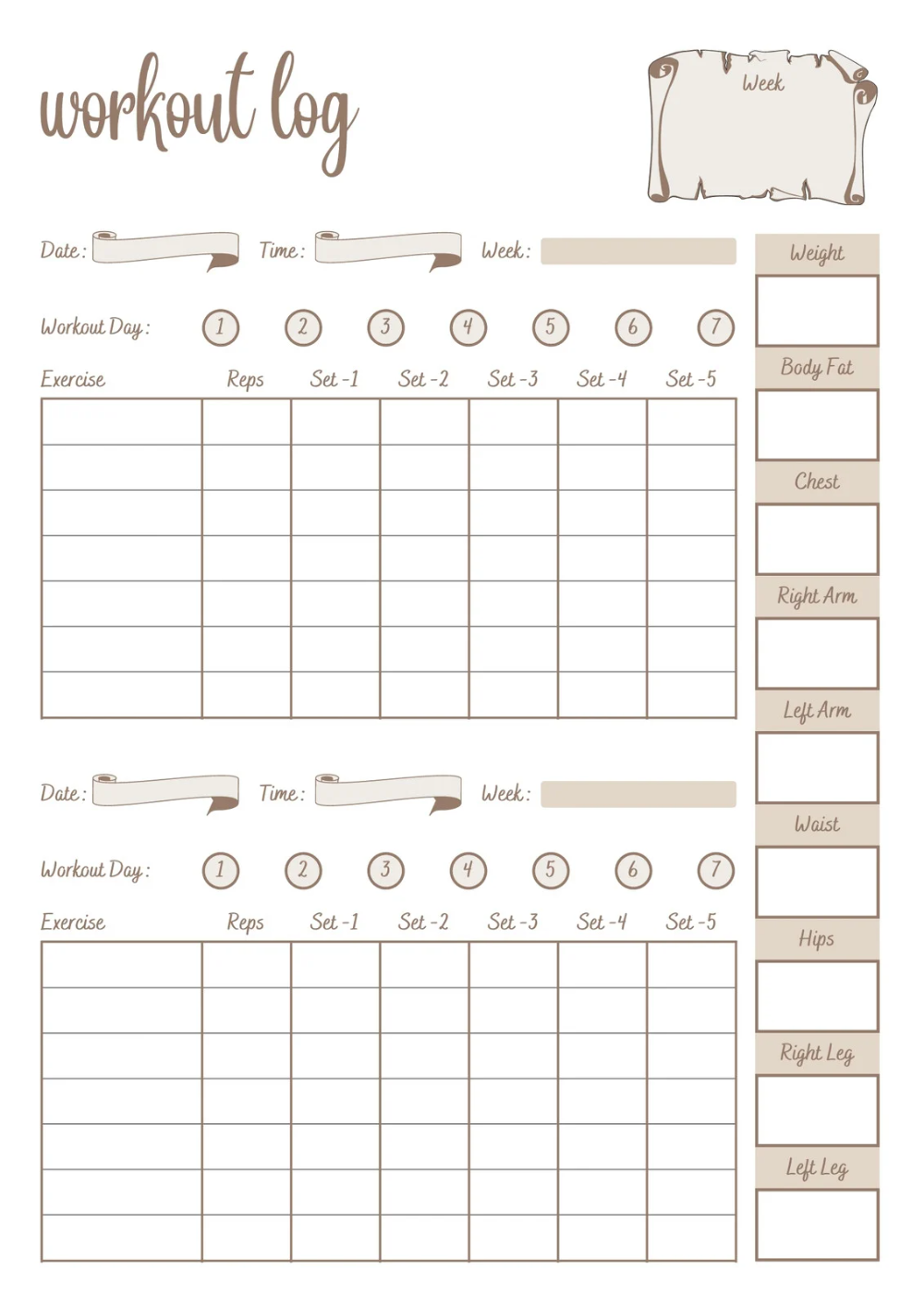
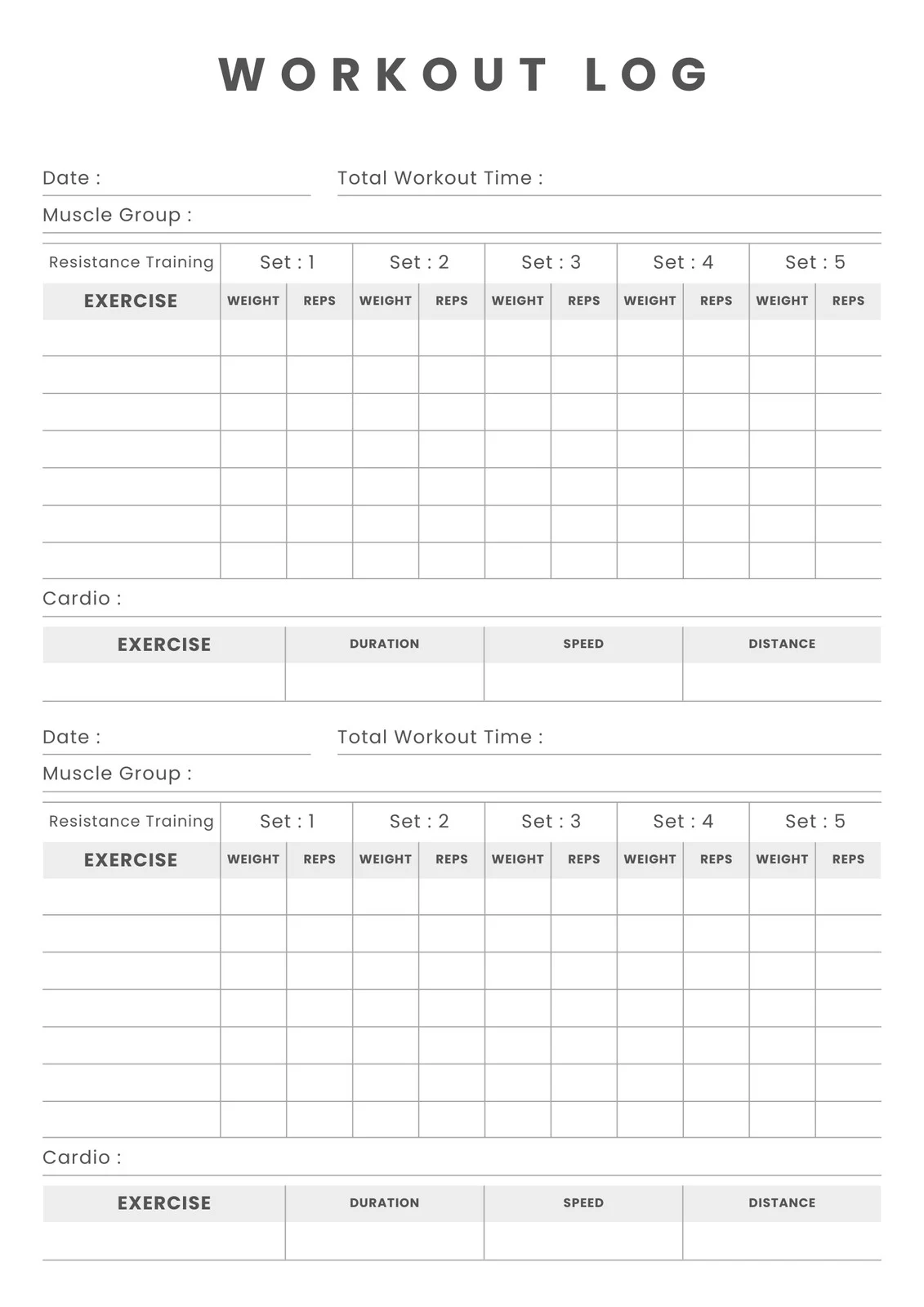
- Workout Details: Record the type of exercise, sets, reps, weights used, duration, and any additional notes about your workout.
- Diet and Nutrition: Track your daily food intake, water consumption, supplements, and any other nutritional information that impacts your fitness goals.
- Sleep Quality: Note down your sleep patterns and quality, as rest is crucial for recovery and overall performance.
- Body Measurements: Take regular measurements of your body, such as weight, body fat percentage, and muscle mass, to track physical changes.
- Mood and Energy Levels: Document how you feel before and after workouts, as well as your energy levels throughout the day, to understand how exercise affects your mood and productivity.
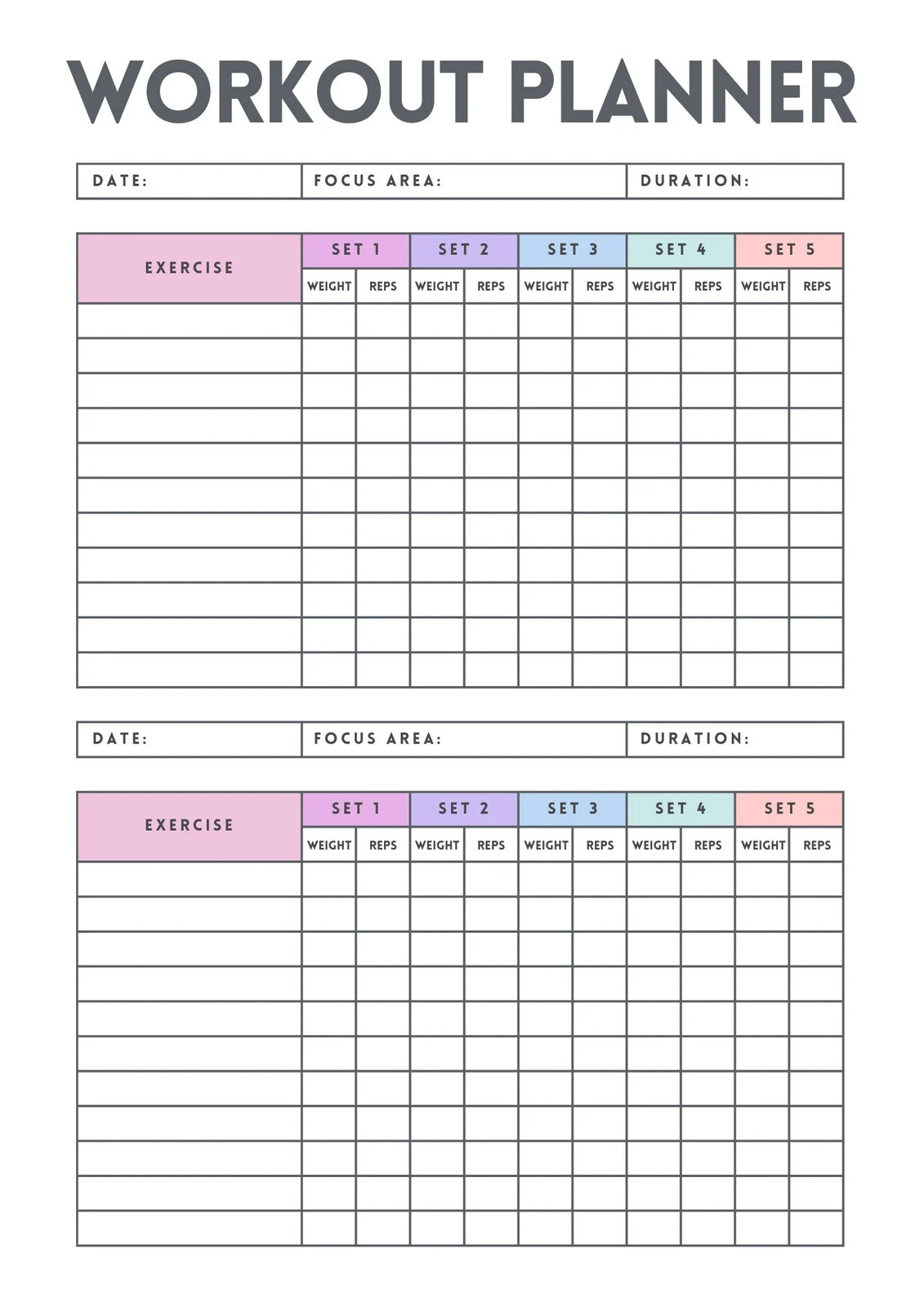
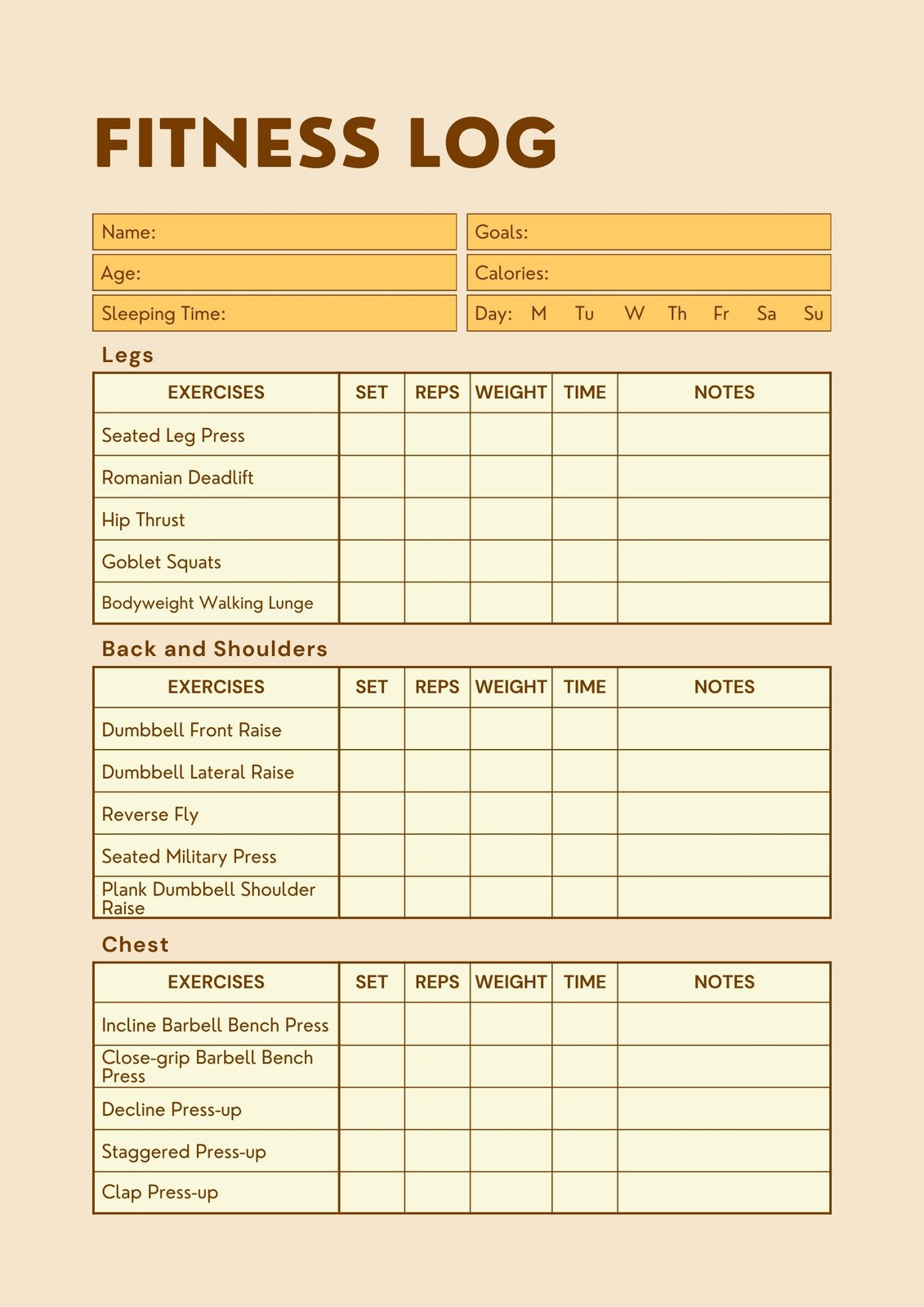
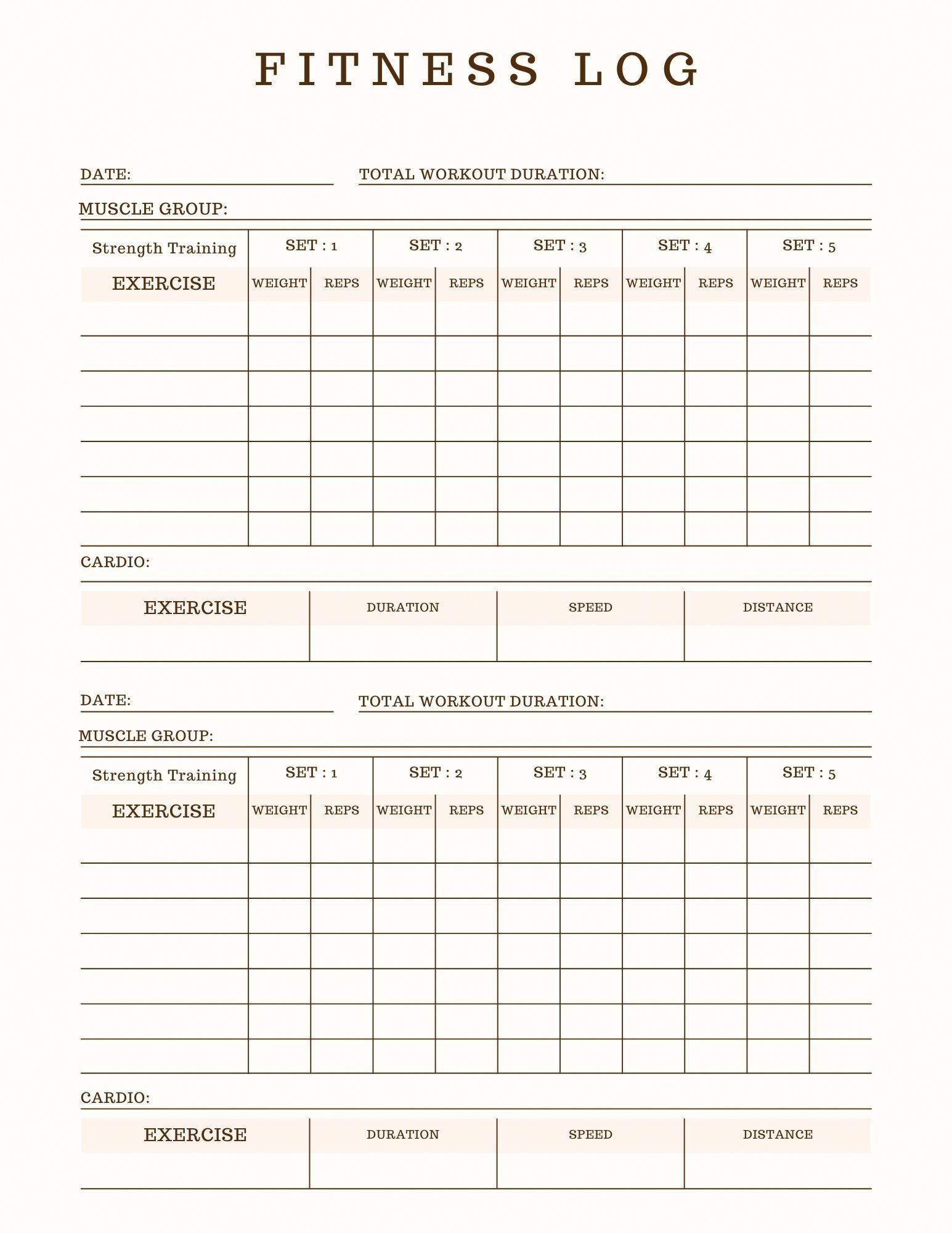
Examples
How to Use a Fitness Log Effectively
To make the most out of your fitness log, follow these tips for successful tracking and progress monitoring:
- Consistent Tracking: Make it a habit to record your workouts, diet, and other details daily to ensure accurate and consistent data.
- Set SMART Goals: Define specific, measurable, achievable, relevant, and time-bound goals based on your current progress and adjust them as needed.
- Review Regularly: Take time to review your fitness log weekly or monthly to analyze trends, identify areas of improvement, and set new goals.
- Listen to Your Body: Pay attention to how your body responds to different workouts and adjust your routine accordingly to prevent injuries and maximize results.
- Seek Support: Share your fitness log with a coach, trainer, or workout buddy for accountability, feedback, and personalized guidance.
