In any organization, creating a safe and respectful work environment is paramount. Employee complaint forms serve as a crucial tool in achieving this goal by providing a formal, structured, and documented way for employees to report workplace issues such as harassment, discrimination, policy violations, or interpersonal conflicts. By implementing an effective complaint process, companies can ensure that these concerns are officially logged, investigated fairly, and resolved promptly.
Let’s explore in detail why employee complaint forms are essential and how they contribute to fostering a positive work culture.
What is an Employee Complaint Form?
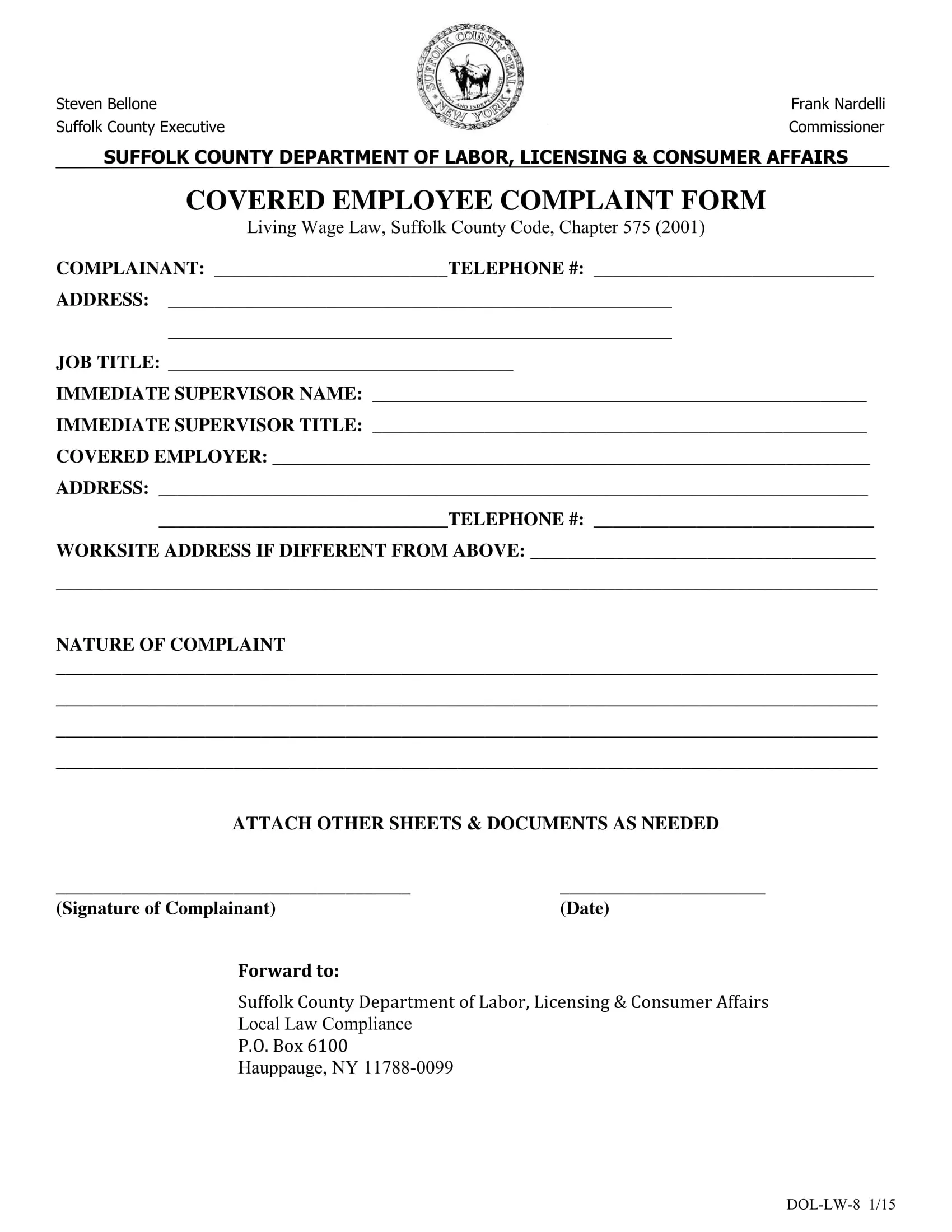
An employee complaint form is a standardized document used by organizations to gather information about workplace issues or concerns raised by employees. These forms typically include fields for the employee’s contact information, details of the complaint, witnesses, supporting evidence, and the desired resolution.
By providing a formalized structure for reporting complaints, employee complaint forms help streamline the process and ensure that all necessary information is captured consistently.
Why Employee Complaint Forms are Important?
Employee complaint forms play a crucial role in maintaining a healthy and productive work environment. Let’s delve deeper into the reasons why these forms are essential for both employees and organizations.
Promote Transparency and Accountability
Employee complaint forms promote transparency within an organization by providing a clear process for reporting and addressing workplace issues. When employees feel that their concerns are being taken seriously and handled appropriately, it fosters a culture of accountability where everyone is held to the same standards of conduct.
Protect Employees from Harassment and Discrimination
By providing a formalized method for reporting incidents of harassment or discrimination, employee complaint forms help protect employees from abusive behavior in the workplace. When employees know that they can safely raise concerns without fear of retaliation, it creates a safer and more inclusive work environment for all.
Ensure Fair and Impartial Investigations
Employee complaint forms are designed to ensure that all complaints are investigated fairly and impartially. By documenting the details of the complaint and the steps taken to address it, companies can demonstrate that they take workplace issues seriously and are committed to resolving them in a just manner.
Foster a Positive Work Culture
When employees have a structured way to address concerns and conflicts in the workplace, it contributes to a more positive and supportive work culture. By promoting open communication and addressing issues proactively, employee complaint forms help build trust and respect among team members.
Legal Compliance and Risk Mitigation
Employee complaint forms also help organizations meet legal requirements related to workplace issues. By documenting complaints and the steps taken to investigate and resolve them, companies can demonstrate their commitment to compliance with labor laws and regulations. Additionally, having a formal complaint process in place can help mitigate legal risks and protect the organization from potential lawsuits.
What to Include in an Employee Complaint Form?
When designing an employee complaint form, it’s important to consider the specific needs and requirements of your organization. Here are some key elements to include in an employee complaint form to ensure effectiveness and thoroughness.
Employee Information
The employee information section of the complaint form should capture essential details about the individual raising the concern. This may include their name, job title, department, contact information, and any other relevant identifiers.
Nature of Complaint
Provide a dedicated space for employees to describe the nature of their complaint in detail. Please encourage them to include specific incidents, dates, times, locations, and individuals involved to give a comprehensive understanding of the issue.
Witnesses and Supporting Evidence
Include sections for employees to identify any witnesses to the incident and provide their contact information. Additionally, allow employees to attach any supporting documentation, such as emails, messages, photos, or videos that corroborate their complaint.
Resolution Requested
Allow employees to outline their desired outcome or resolution to the complaint. This can help guide the investigation process and ensure that the employee’s concerns are addressed satisfactorily.
Confidentiality and Privacy
Include a statement on the form assuring employees that their complaints will be handled confidentially and with respect for their privacy. This can help alleviate concerns about retaliation or disclosure of sensitive information.
Signature and Acknowledgment
Provide space for the employee to sign and date the complaint form, acknowledging that the information provided is accurate to the best of their knowledge. This helps establish accountability and authenticity in the complaint process.
How to Handle Employee Complaints Effectively
Once an employee complaint is submitted, organizations must handle it promptly, professionally, and with sensitivity. Let’s explore some effective strategies for managing and resolving employee complaints fairly and efficiently.
Designated Point of Contact
Designate a specific individual or team within the organization to receive and review employee complaints. This ensures that complaints are handled consistently and that employees know where to turn when they have concerns.
Establish Clear Reporting Procedures
Create clear and accessible reporting procedures for employees to follow when submitting a complaint. This may include guidelines on how to complete the complaint form, where to submit it, and what to expect during the investigation process.
Thoroughly Document Complaints
Document all complaints and the steps taken to investigate and resolve them in a detailed and organized manner. Keeping thorough records helps track the progress of each complaint, identify trends or patterns, and ensure accountability throughout the process.
Conduct Fair and Impartial Investigations
Ensure that all complaints are investigated fairly and impartially, with due consideration given to all parties involved. Interview witnesses, gather evidence, and follow established procedures to reach a well-informed and unbiased conclusion.
Provide Regular Updates
Keep the complainant informed of the progress of the investigation and any significant developments along the way. Open communication helps maintain trust and transparency throughout the complaint resolution process.
Respect Privacy and Confidentiality
Handle all complaints with the utmost respect for the privacy and confidentiality of the individuals involved. Share information on a need-to-know basis and maintain confidentiality throughout the investigation and resolution process.
Take Appropriate Action
Once the investigation is complete, take appropriate action based on the findings and the company’s policies and procedures. Ensure that any corrective measures or disciplinary actions are carried out fairly and consistently.
Follow-Up and Monitor Progress
Follow up with the complainant after the resolution to ensure that they are satisfied with the outcome and that any necessary changes have been implemented. Monitor the situation to prevent recurrence of similar issues in the future.
Provide Support and Resources
Offer support and resources to employees involved in the complaint process, such as counseling services, conflict resolution training, or other forms of assistance. Ensure that employees feel supported throughout the complaint resolution process.
Tips for Successful Employee Complaint Management
Effectively managing employee complaints requires a proactive and systematic approach. Here are some additional tips to ensure successful complaint resolution and a positive work environment for all.
Provide Training on Complaint Procedures
Educate employees on the company’s complaint procedures, including how to submit a complaint, what to expect during the investigation process, and their rights and responsibilities. Clear communication can help employees feel more comfortable coming forward with concerns.
Encourage Open Communication
Create a culture of open communication where employees feel comfortable discussing issues and conflicts with their supervisors or HR department. Encourage dialogue, feedback, and collaboration to prevent misunderstandings and promote a positive work environment.
Regularly Review and Update Policies
Periodically review and update your company’s complaint policies and procedures to ensure they align with current best practices and legal requirements. Make adjustments as needed to improve the effectiveness and efficiency of the complaint process.
Solicit Feedback from Employees
Seek feedback from employees on their experiences with the complaint process to identify areas for improvement. Conduct surveys, focus groups, or one-on-one meetings to gather insights and perspectives on how to enhance the process.
Provide Multiple Reporting Channels
Offer multiple channels for employees to report complaints, such as in-person meetings, anonymous hotlines, online forms, or email submissions. Providing various options ensures that employees can choose the method that works best for them.
Train Managers on Handling Complaints
Provide training for managers and supervisors on how to handle employee complaints effectively and sensitively. Equip them with the skills and knowledge to address issues promptly, support employees, and uphold company policies.
Recognize and Reward Transparency
Acknowledge and reward employees who demonstrate transparency and integrity in reporting workplace issues.
Implement a Non-Retaliation Policy
Establish a clear policy prohibiting retaliation against employees who raise complaints or participate in investigations. Communicate this policy to all staff members and hold violators accountable to uphold a culture of trust and safety.
Seek Legal Guidance
Consult with legal advisors or HR professionals to ensure that your company’s complaint process complies with relevant laws and regulations. Stay informed about legal requirements and update procedures as needed to mitigate legal risks.
Provide Conflict Resolution Training
Offer conflict resolution training for employees at all levels of the organization to help prevent and manage workplace conflicts effectively. Equip employees with the skills to address and resolve issues before they escalate into formal complaints.
Establish an Employee Advocacy Program
Create an employee advocacy program that provides support and guidance to employees navigating the complaint process. Designate trained advocates who can assist employees in understanding their rights, options, and resources.
Encourage Peer Support and Collaboration
Foster a culture of peer support and collaboration where employees feel empowered to address conflicts and issues together. Encourage teamwork, open dialogue, and mutual respect to prevent misunderstandings and promote a harmonious work environment.
Monitor and Evaluate Complaint Trends
Regularly monitor and analyze complaint data to identify trends, patterns, and recurring issues within the organization. Use this information to implement proactive measures, address root causes, and continuously improve the workplace culture.
Celebrate Success Stories
Share success stories of how employee complaints were effectively resolved and positive changes were implemented as a result. Celebrate employees who speak up and contribute to a healthy work environment, inspiring others to do the same.
Offer Support for Whistleblowers
Provide support and protection for employees who report serious violations or misconduct within the organization. Create a safe and confidential reporting mechanism for whistleblowers to raise concerns without fear of reprisal.
Emphasize Accountability at All Levels
Hold all employees, including managers and executives, accountable for their conduct and adherence to company policies. Set a strong tone from the top that unethical behavior or misconduct will not be tolerated in the organization.
Encourage Continuous Feedback
Encourage employees to provide feedback on the complaint process and suggest improvements for a more efficient and responsive system. Create opportunities for dialogue and collaboration to strengthen the complaint management process.
The Role of HR in Employee Complaint Management
Human Resources (HR) plays a vital role in managing and resolving employee complaints within an organization. Let’s explore the responsibilities and functions of HR in effectively handling complaints and promoting a positive work environment.
Provide Guidance and Support
HR professionals are responsible for providing guidance and support to employees who raise complaints. They offer assistance in completing complaint forms, understanding the process, and accessing resources for resolution.
Ensure Compliance with Policies
HR ensures that all complaints are handled in accordance with company policies, procedures, and legal requirements. They oversee the investigation process, maintain confidentiality, and ensure fairness and impartiality.
Train Managers and Supervisors
HR trains managers and supervisors on how to handle employee complaints effectively and professionally. They provide guidance on conducting investigations, addressing conflicts, and upholding the company’s values.
Analyze Complaint Data
HR analyzes complaint data to identify trends, patterns, and areas for improvement in the workplace. They use this information to develop strategies for preventing future conflicts, enhancing communication, and promoting a positive work culture.
Assist in Conflict Resolution
HR assists in resolving conflicts and disputes between employees by facilitating mediation, negotiation, or other conflict resolution techniques. They work to restore relationships, promote understanding, and prevent further issues.
Provide Training on Diversity and Inclusion
HR offers training on diversity and inclusion to promote a respectful and inclusive work environment. They educate employees on cultural awareness, sensitivity, and bias prevention to prevent discriminatory behaviors and conflicts.
Implement Employee Assistance Programs
HR implements employee assistance programs to support employees facing personal or work-related challenges. They provide counseling, resources, and referrals to help employees cope with stress, conflict, or other issues affecting their well-being.
Collaborate with Legal Advisors
HR collaborates with legal advisors to ensure that the company’s complaint process complies with labor laws, regulations, and ethical standards. They seek legal guidance on complex issues, investigations, and disciplinary actions.
Promote Transparency and Accountability
HR promotes transparency and accountability in handling employee complaints by communicating openly about the process, outcomes, and follow-up actions. They strive to build trust, credibility, and confidence in the complaint management system.
Support Organizational Values
HR supports the organization’s values, mission, and culture by upholding ethical standards, fostering a safe work environment, and promoting respect and dignity among employees. They reinforce the importance of integrity, fairness, and inclusivity in all interactions.
Continuous Improvement and Evaluation
HR continuously evaluates and improves the complaint management process to enhance efficiency, effectiveness, and employee satisfaction. They seek feedback, analyze data, and implement changes to ensure a responsive and supportive system.
Embracing a Culture of Accountability and Respect
Employee complaint forms are not just administrative tools; they are essential components of a broader culture of accountability, respect, and fairness in the workplace. By creating a structured and transparent process for employees to raise concerns, organizations demonstrate their commitment to addressing issues proactively and fostering a positive work environment.
In conclusion, employee complaint forms serve as a critical mechanism for addressing workplace issues, protecting employees, and promoting a culture of integrity and dignity. By implementing effective complaint management processes, organizations can build trust, enhance communication, and prevent conflicts from escalating. Employee complaints should be viewed as opportunities for growth, learning, and improvement, contributing to a harmonious and productive work environment for all.
Employee Complaint Form Template – DOWNLOAD
