Christmas is one of the most cherished celebrations around the world, filled with joy, warmth, traditions, and unforgettable memories. Among the many customs associated with the festive season, writing a Father Christmas letter remains one of the most magical experiences for children.
For generations, children have eagerly sat down with colorful paper, pens, and glitter to write heartfelt messages to Father Christmas, also known as Santa Claus. These letters are much more than simple wish lists requesting toys and gifts. They represent imagination, hope, gratitude, creativity, and the excitement of childhood during the holiday season.
Parents and families often treasure these letters for years because they capture a child’s personality, dreams, and emotions in a meaningful way. In modern times, Father Christmas letters have also evolved into educational and emotional tools that encourage communication, writing practice, kindness, and family bonding.
Whether handwritten or digitally created, these festive letters continue to keep the spirit of Christmas alive for children and adults alike.
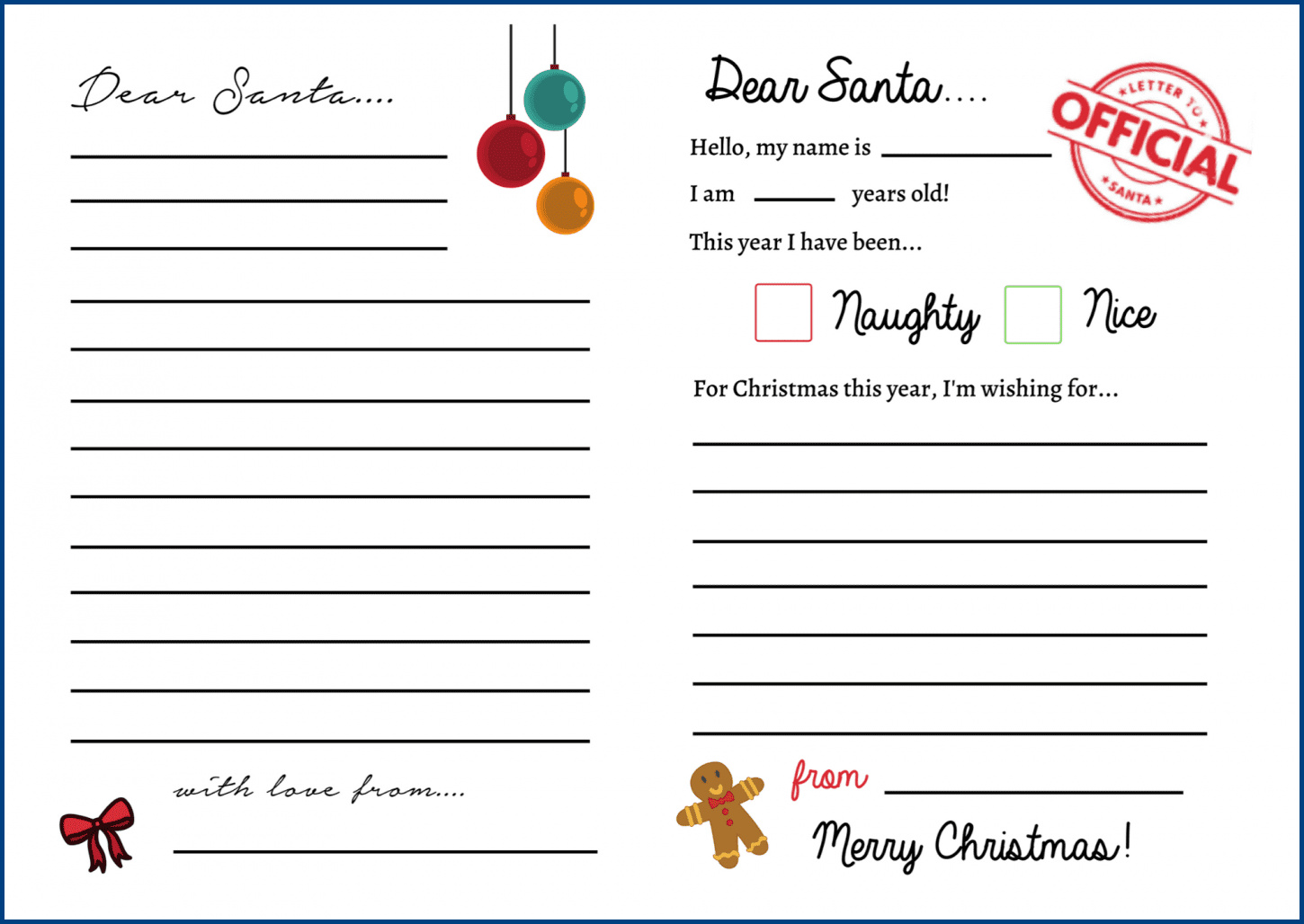
What is a Father Christmas Letter?
A Father Christmas letter is a written message traditionally sent by children to Father Christmas during the holiday season. In the letter, children commonly share their Christmas wishes, describe the gifts they hope to receive, and talk about their experiences throughout the year. However, these letters often go far beyond gift requests. Many children also express gratitude, discuss their achievements, apologize for mistakes, and share hopes for family and friends.
The tradition of writing to Father Christmas has existed for generations and remains an important part of Christmas celebrations in many countries. The letters are often filled with excitement and creativity, reflecting the magical imagination associated with the festive season. Some children carefully decorate their letters with drawings, stickers, and holiday symbols such as snowflakes, Christmas trees, stars, and reindeer.
Traditionally, children place the letters in envelopes addressed to the North Pole. Parents may help mail them through special postal services that respond with personalized messages from Santa Claus. In some households, children leave the letters near the fireplace or under the Christmas tree as part of family traditions.
Father Christmas letters also serve educational purposes. Writing a letter encourages children to practice spelling, handwriting, sentence construction, and communication skills. Teachers and parents often use the activity as a fun way to improve literacy while maintaining the excitement of Christmas.
Emotionally, these letters can be very meaningful. They provide insight into a child’s feelings, interests, and values. Parents reading the letters often discover what truly matters to their children, whether it is a desired toy, family happiness, or concern for others.
Common elements found in a Father Christmas letter include:
- Greetings. Children usually begin with a warm greeting to Father Christmas.
- Behavior Updates. Many children mention whether they have been helpful or well-behaved throughout the year.
- Christmas Wishes. A list of toys, books, games, or gifts they hope to receive.
- Expressions of Gratitude. Thanking Father Christmas for previous gifts or joyful memories.
- Personal Stories. Sharing school achievements, hobbies, or family experiences.
- Closing Messages. Ending with festive wishes and excitement for Christmas Day.
Today, Father Christmas letters exist in both traditional and digital forms. Some families create personalized printable templates, while others use online platforms that generate customized letters from Santa Claus. Despite these technological changes, the emotional magic behind the tradition remains timeless.
Ultimately, a Father Christmas letter represents much more than holiday correspondence. It symbolizes imagination, innocence, kindness, and the wonder of childhood during one of the most joyful times of the year.
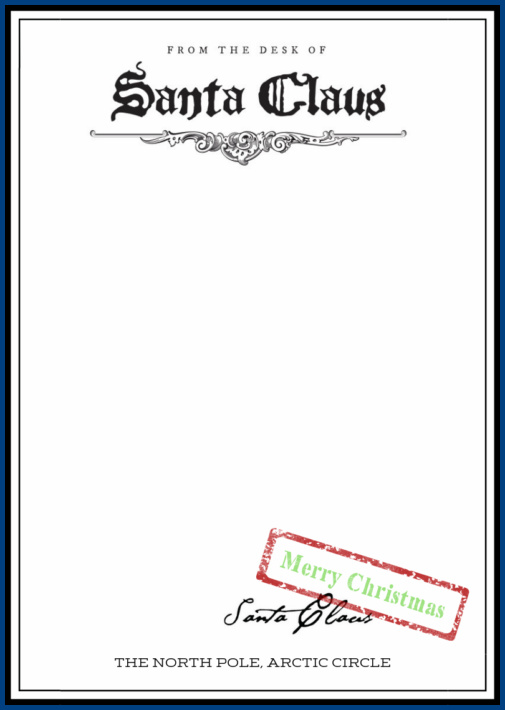
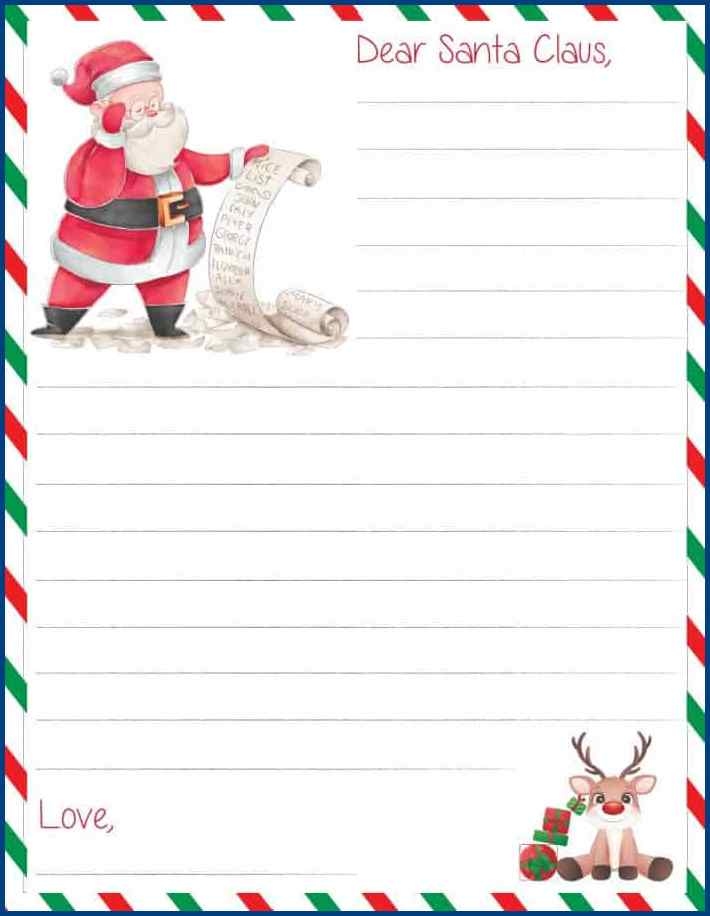
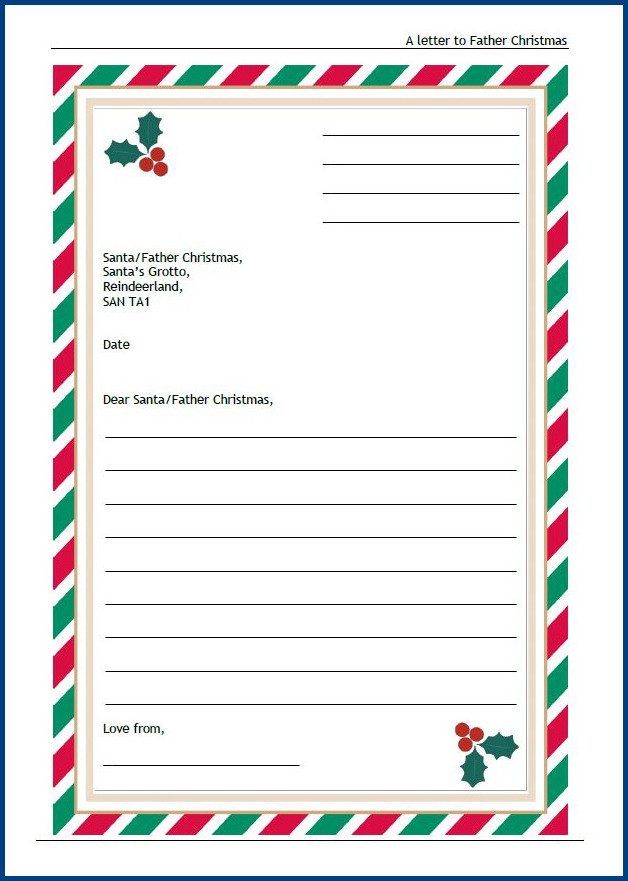
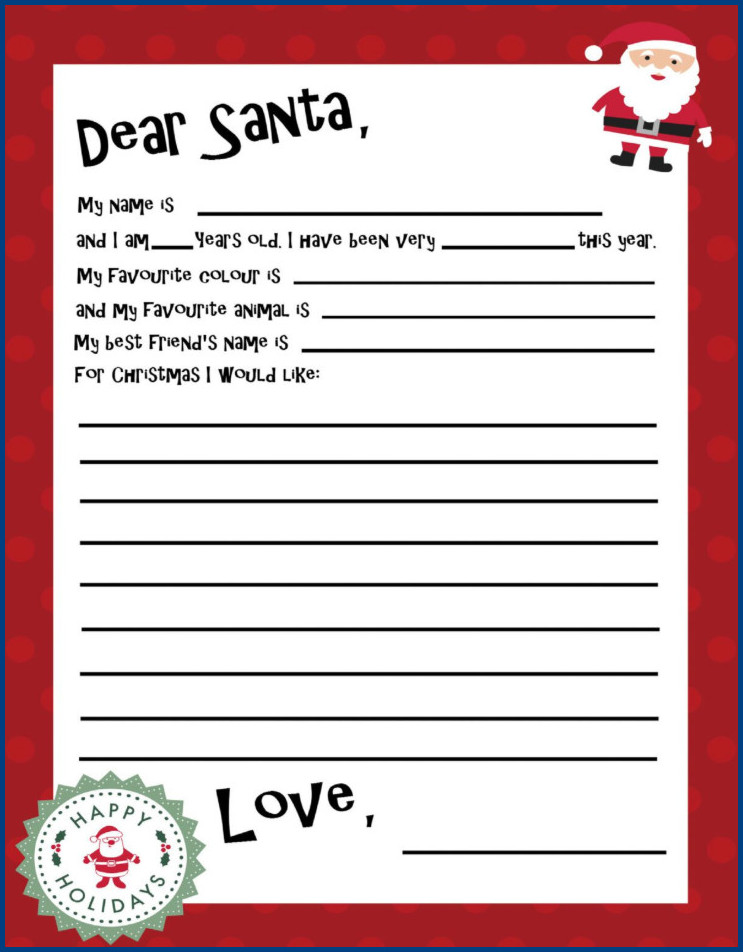
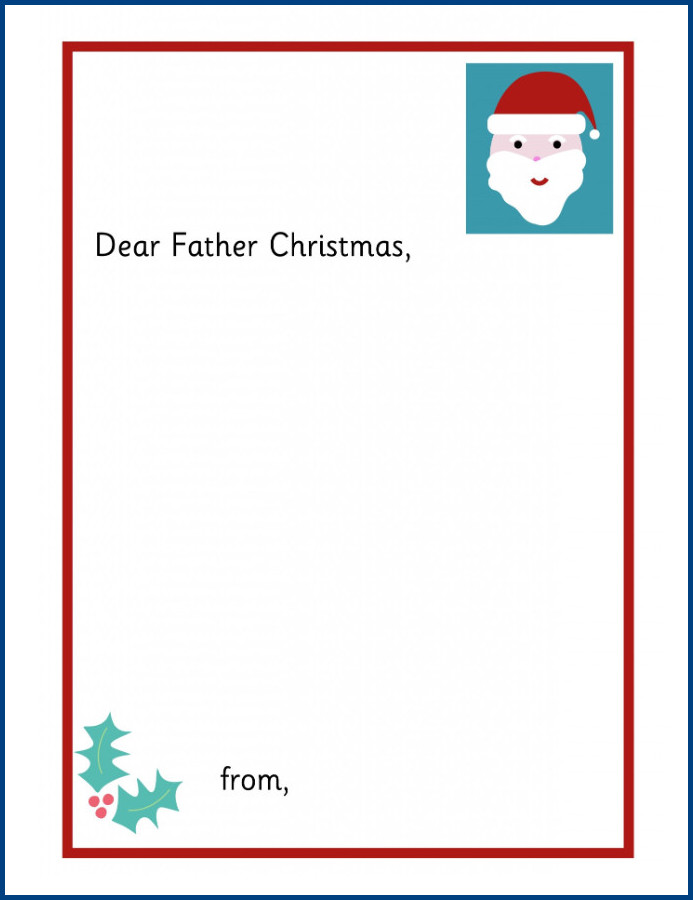
Examples:
Reasons to Write a Dear Santa Letter Every Year
Writing a Dear Santa or Father Christmas letter every year offers emotional, educational, and social benefits for children and families. While many people associate the tradition primarily with gift requests, the experience provides much deeper value that contributes to childhood development and family memories.
One of the most important reasons for writing these letters is preserving the magic of Christmas. Childhood passes quickly, and traditions such as writing to Father Christmas create joyful memories that families treasure forever. The excitement of carefully crafting a letter and imagining it traveling to the North Pole strengthens the emotional wonder associated with the holiday season.
Another valuable reason is encouraging creativity and imagination. Children often decorate their letters, invent stories, and describe their dreams in imaginative ways. This creative process supports emotional expression and helps children develop confidence in communication.
Writing Christmas letters also teaches gratitude. Instead of focusing only on receiving gifts, many parents encourage children to thank Father Christmas for previous presents, family blessings, and happy experiences throughout the year. Gratitude helps children develop empathy and appreciation.
Educational benefits are equally important. Writing letters improves literacy skills such as spelling, grammar, sentence formation, handwriting, and vocabulary. Teachers frequently incorporate holiday letter-writing activities into classroom lessons because they combine learning with seasonal enjoyment.
Father Christmas letters also provide parents with meaningful insight into their children’s personalities, concerns, and desires. Sometimes children express hopes or worries in these letters that they may not discuss openly in everyday conversations.
Additionally, the tradition strengthens family bonding. Families often gather together to discuss gift ideas, decorate letters, and share holiday stories. These shared activities create emotional connections and strengthen holiday traditions.
- Preserves Christmas Magic. Keeps the excitement and wonder of the holiday season alive for children.
- Encourages Creativity. Inspires imagination through storytelling, drawings, and festive decorations.
- Improves Writing Skills. Helps children practice communication and literacy in a fun way.
- Teaches Gratitude. Encourages appreciation for family, kindness, and previous gifts.
- Strengthens Family Traditions. Creates meaningful holiday memories shared with loved ones.
- Supports Emotional Expression. Gives children a safe and joyful way to share feelings and dreams.
In today’s fast-moving digital world, many traditional family activities are becoming less common. Writing Father Christmas letters offers an opportunity to slow down and enjoy meaningful holiday experiences together.
For adults, these letters often become treasured keepsakes. Years later, parents may look back on the letters and remember the innocence, humor, and hopes of their children during different stages of childhood.
Ultimately, writing a Dear Santa letter every year is not just about presents. It is about preserving joy, strengthening relationships, encouraging creativity, and celebrating the emotional spirit of Christmas.
The Historical Origins of Father Christmas Letters
The tradition of writing letters to Father Christmas has deep historical and cultural roots connected to the evolution of Christmas celebrations around the world. While modern images of Santa Claus often feature red suits, flying reindeer, and the North Pole, the origins of Father Christmas traditions date back centuries.
Father Christmas originally emerged in European folklore as a symbol of holiday cheer, generosity, and festive celebration. In England, Father Christmas was associated more with feasting and community spirit rather than gift-giving. Over time, cultural influences combined with the legend of Saint Nicholas, a historical figure known for kindness and generosity toward children.
By the nineteenth century, Christmas traditions became more family-centered, especially during the Victorian era. This period popularized Christmas trees, greeting cards, gift exchanges, and children’s holiday traditions. Writing letters to Father Christmas gradually became part of these festive customs.
Postal systems also contributed to the growth of the tradition. As mail services expanded, children began sending actual letters addressed to Father Christmas or Santa Claus. Postal workers in many countries often embraced the holiday spirit by responding to children’s letters or ensuring they reached special holiday programs.
During the twentieth century, commercial advertising and popular culture further strengthened the image of Santa Claus as a magical gift-bringer living at the North Pole. Films, books, television specials, and advertisements helped spread the tradition worldwide.
Today, many countries operate official Santa mail programs where children receive personalized responses. These programs continue to preserve the excitement and wonder associated with writing Christmas letters.
The historical development of Father Christmas letters demonstrates how traditions evolve while maintaining emotional significance across generations.
How to Write Letters from Father Christmas
Writing letters from Father Christmas can be a magical experience for both children and adults. Parents, teachers, and guardians often create personalized responses from Santa Claus to encourage holiday excitement and reward positive behavior. These letters can become treasured keepsakes that children remember for many years.
A good Father Christmas letter should feel warm, personal, encouraging, and festive. The tone should inspire joy while reinforcing kindness, gratitude, and positive values. Personalized details make the letter more believable and meaningful for children.
1. Begin with a Warm Christmas Greeting
Start the letter with a cheerful and welcoming greeting. Mention the child’s name and create a friendly atmosphere immediately. Simple openings such as “Ho Ho Ho” or “Greetings from the North Pole” help establish the magical Christmas mood.
2. Mention Positive Behavior and Achievements
Children feel proud when Father Christmas recognizes their efforts during the year. Mention achievements such as helping family members, doing well in school, practicing kindness, or learning new skills.
3. Reference Their Christmas Wishes
Including details about the child’s requested gifts makes the letter feel more personalized. Father Christmas can mention that the elves are working hard in the workshop preparing toys and surprises.
4. Encourage Kindness and Gratitude
A meaningful Christmas letter should promote positive values. Encourage children to continue being kind, generous, and helpful to others throughout the holiday season and beyond.
5. Add Magical North Pole Details
Children enjoy hearing imaginative stories about the North Pole, reindeer, elves, toy workshops, and snowy adventures. These details enhance the magical atmosphere and make the letter more engaging.
6. Keep the Tone Positive and Encouraging
The message should inspire happiness rather than fear. Even if discussing behavior improvements, focus on encouragement and support instead of criticism.
7. Include a Festive Closing Message
End the letter with warm Christmas wishes and excitement for Christmas Eve. Mention Santa’s reindeer, holiday preparations, or the importance of going to bed early before Christmas morning.
8. Personalize the Presentation
Decorative paper, festive fonts, stickers, stamps, and holiday illustrations can make the letter feel more authentic and memorable. Personalized presentation adds excitement and emotional value.
Creative Ideas for Making Father Christmas Letters More Special
Families and educators can make Father Christmas letters even more magical through creative activities and personalized traditions. These small details often become unforgettable childhood memories.
- Use Festive Stationery. Christmas-themed paper, envelopes, and stickers create a magical appearance.
- Add Glitter and Drawings. Children enjoy decorating letters with holiday artwork and colorful designs.
- Create North Pole Postmarks. Custom stamps or labels make the letters feel authentic.
- Include Reindeer Footprints. Small decorative footprints near the fireplace add excitement on Christmas Eve.
- Write Personalized Replies. Tailored responses from Father Christmas feel more meaningful to children.
- Save Letters as Keepsakes. Storing letters in memory boxes preserves family traditions for future generations.
The Lasting Importance of Father Christmas Letters
Father Christmas letters continue to hold emotional and cultural importance because they capture the wonder, innocence, and joy of childhood. In a world increasingly dominated by digital communication and fast-paced lifestyles, these handwritten or personalized letters encourage families to slow down and celebrate meaningful traditions together.
For children, writing to Father Christmas nurtures imagination, creativity, gratitude, and excitement during the holiday season. For parents, the letters provide valuable insight into their children’s dreams, personalities, and emotional growth. They also create opportunities for bonding, storytelling, and family connection.
Educationally, Father Christmas letters support literacy development and communication skills while making learning enjoyable and engaging. Emotionally, they help children express hopes, appreciation, and festive enthusiasm in a positive and memorable way.
As traditions evolve, the spirit behind Father Christmas letters remains unchanged. Whether written with crayons on colorful paper or generated through digital holiday platforms, these letters continue to symbolize the magic of Christmas and the timeless beauty of childhood imagination.
Ultimately, a Father Christmas letter is far more than a seasonal activity. It is a treasured expression of hope, wonder, kindness, and family tradition that continues bringing joy to generations around the world every Christmas season.
