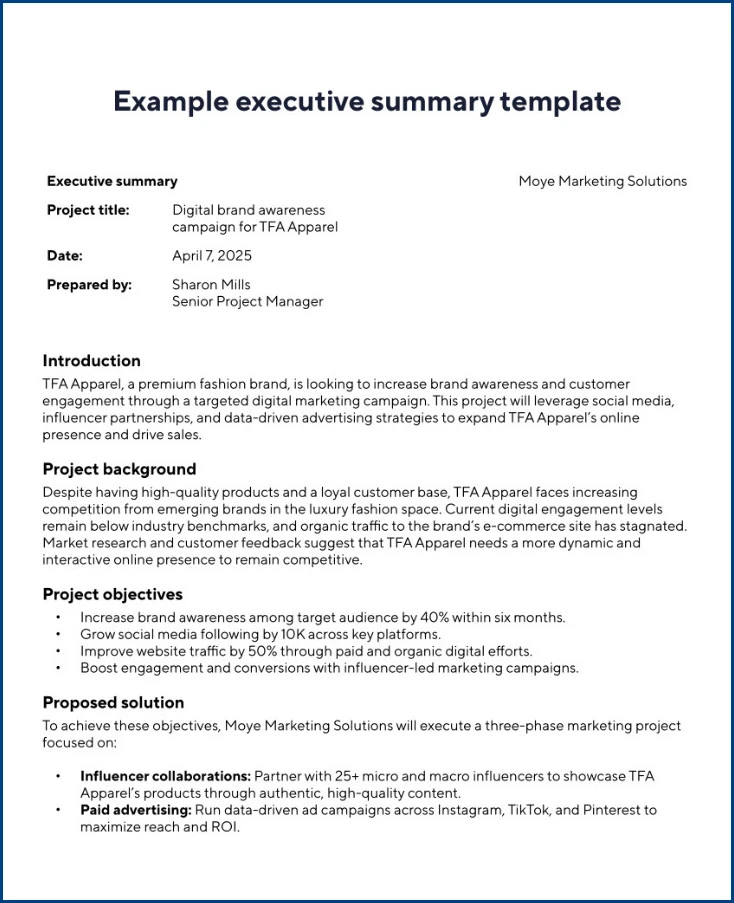
As the pace of business continues to accelerate, executives find themselves bombarded with countless reports, analyses, and documents on a daily basis. In this fast-paced environment, the executive summary plays a crucial role in distilling complex information into a concise, easy-to-digest format. By providing a snapshot of the main points, findings, and recommendations, the executive summary allows busy readers to quickly grasp the essence of a longer document without having to read every single detail.
In this comprehensive guide, we will explore the key elements of an effective executive summary, why it is important, and how to create one that grabs the reader’s attention and drives action.
What is an Executive Summary?
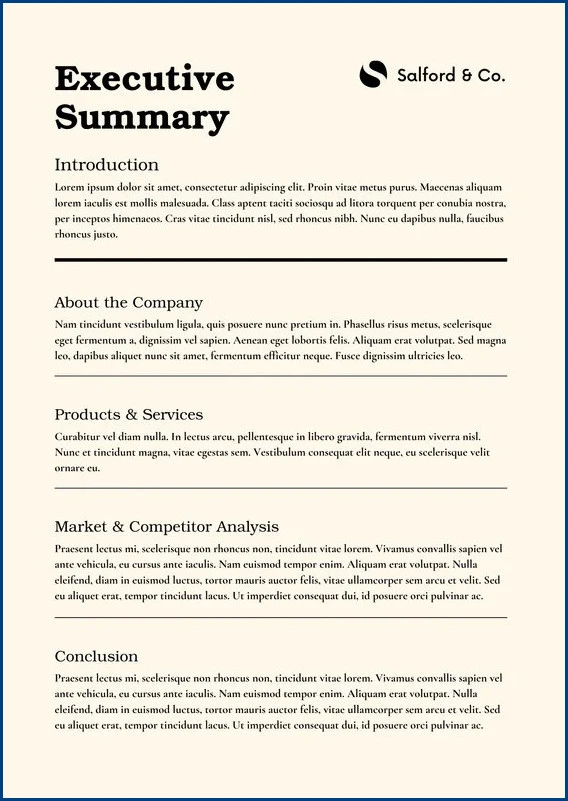
An executive summary is a brief overview of a longer document, such as a report, proposal, or research paper. Its primary purpose is to provide busy readers, particularly executives, with a snapshot of the main points, key findings, and recommendations without having to read the entire document.
Essentially, the executive summary serves as a condensed version of the full text, highlighting the most important information in a clear and concise manner.
Why is an Executive Summary Important?
The executive summary is crucial for several reasons.
Time Efficiency
One of the primary reasons why an executive summary is important is its role in saving time for busy executives. Rather than having to sift through pages of detailed information, executives can get a quick snapshot of the main points, findings, and recommendations by reading the executive summary. This time efficiency is crucial in ensuring that executives can make timely decisions and prioritize their tasks effectively.
Decision-Making Support
Executive summaries also provide valuable support for decision-making. By highlighting the key findings and recommendations of a document, the executive summary equips executives with the information they need to make informed decisions. Whether it is a strategic decision, a financial investment, or a policy change, the executive summary serves as a guide for executives to navigate complex information and take appropriate action.
Clarity and Focus
Clarity and focus are essential elements of effective communication, especially in a business context. An executive summary distills complex information into a clear and focused format, ensuring that executives can quickly grasp the main points without getting lost in unnecessary details. By presenting information in a structured and concise manner, the executive summary enhances clarity and enables executives to understand the content more easily.
Communication Tool
Executive summaries also serve as a powerful communication tool within organizations. They facilitate the sharing of information across different levels of management and departments, ensuring that everyone is aligned on the main points and objectives of a document. Whether it is a project update, a research report, or a financial analysis, the executive summary enables effective communication by providing a common understanding of the key points.
Driving Action
One of the key reasons why an executive summary is important is its ability to drive action. By presenting the main findings and recommendations in a concise and compelling format, the executive summary motivates executives to take the next steps or make decisions based on the summarized information. Whether it is implementing a new strategy, allocating resources, or launching a new initiative, the executive summary catalyzes action within organizations.
Building Consensus
Executive summaries also play a role in building consensus among stakeholders within an organization. By providing a high-level overview of a document, the executive summary ensures that all stakeholders are aligned on the main points and objectives. This alignment fosters collaboration, encourages discussion, and helps in reaching consensus on important decisions and initiatives. The executive summary acts as a common reference point for stakeholders to engage with the content and work towards shared goals.
Key Elements of an Executive Summary
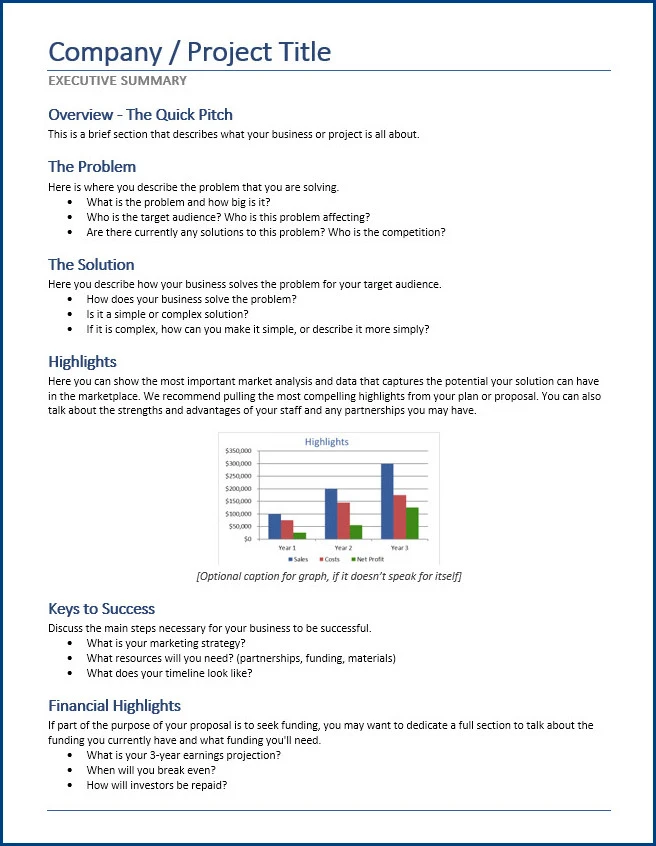
Creating an effective executive summary requires careful attention to detail and a strategic approach. The key elements of a well-crafted executive summary include:
Introduction
The introduction of an executive summary sets the stage for the document and provides context for the reader. It should briefly outline the purpose of the document, the main topics covered, and the key objectives. The introduction serves as a roadmap for the reader, guiding them through the main points and preparing them for what to expect in the rest of the summary.
Summary of Key Findings
The summary of key findings is the heart of the executive summary. It highlights the main points, insights, and discoveries from the full document in a concise and impactful manner. This section should present the most critical information in a clear and organized way, focusing on the key takeaways that the reader needs to know. The summary of key findings is crucial in capturing the reader’s attention and providing them with a comprehensive overview of the document.
Recommendations
Recommendations are an essential component of an executive summary. They provide actionable insights and suggestions based on the findings presented in the document. Recommendations should be concise, specific, and aligned with the objectives of the document. They should offer clear guidance on what actions should be taken next, whether it is implementing a new strategy, making a policy change, or investing in a particular initiative. Recommendations help executives make informed decisions and drive action based on the information presented in the executive summary.
Conciseness
Concise is a key attribute of an effective executive summary. The summary should be brief and to the point, focusing on the most critical information while omitting unnecessary details. By keeping the summary concise, the reader can quickly grasp the main points
Clarity
Clarity is essential in an executive summary to ensure that the information is easily understood by the reader. The language should be clear, straightforward, and free of technical jargon or complex terminology. Using simple and accessible language helps the reader navigate the content without confusion and enhances comprehension of the key points presented in the summary.
Formatting
Formatting plays a significant role in enhancing the readability of an executive summary. Using headings, subheadings, bullet points, and visuals like charts or graphs can help break up the text and make the information more digestible. A well-formatted executive summary is visually appealing and guides the reader’s eyes to the most critical information, ensuring that they can quickly scan and understand the content.
Call to Action
A call to action is a crucial component of an executive summary as it prompts the reader to take the next steps based on the information presented. Whether it is making a decision, implementing a recommendation, or further exploring the full document, the call to action encourages the reader to move forward and engage with the content. A strong and clear call to action motivates executives to act on the insights provided in the executive summary.
Engaging Language
Engaging language is essential in capturing the reader’s attention and maintaining their interest throughout the executive summary. Using a conversational tone, storytelling elements, or compelling anecdotes can make the summary more engaging and relatable. By incorporating engaging language, the executive summary becomes more captivating and encourages the reader to continue reading and absorbing the information presented.
Customization for Audience
Customizing the executive summary for the specific audience is critical in ensuring that the content resonates with the readers. Tailoring the language, tone, and level of detail to the preferences and knowledge level of the target audience enhances the effectiveness of the executive summary. By customizing the summary, you can better connect with the audience and drive engagement with the content.
Proofreading and Editing
Proofreading and editing are essential steps in the creation of an executive summary to ensure accuracy and professionalism. Before finalizing the summary, review it carefully for spelling and grammar errors, clarity of language, and consistency of formatting. Editing helps refine the content and eliminate any inconsistencies or inaccuracies that may detract from the quality of the executive summary.
How to Write an Effective Executive Summary
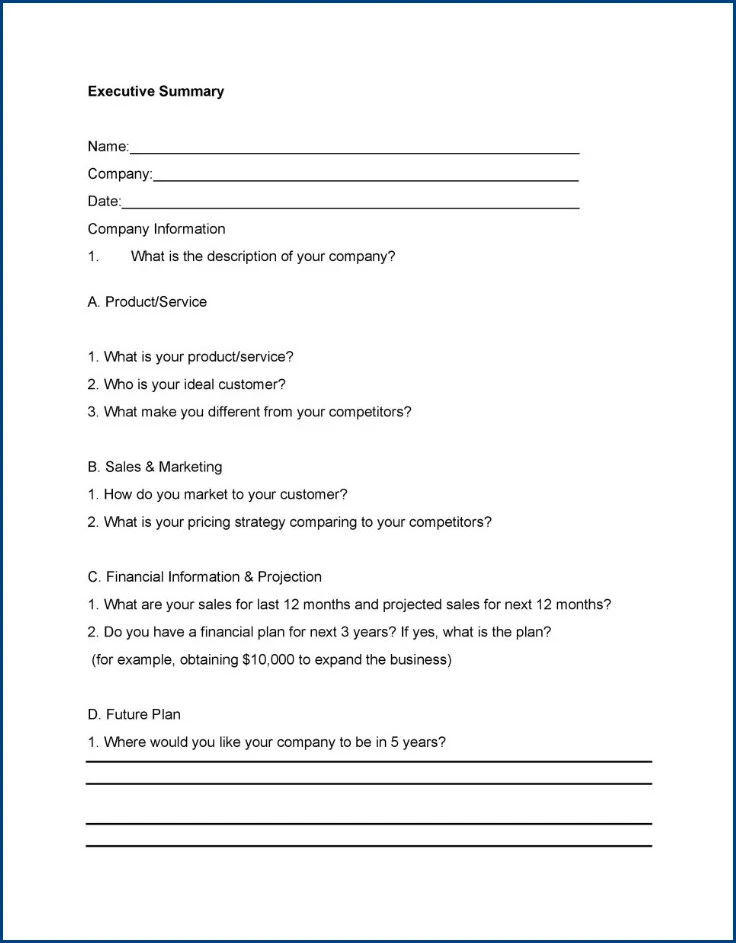
Writing a compelling executive summary requires a strategic approach and attention to detail. Follow these tips to create an effective executive summary that grabs the reader’s attention and drives action:
Understand Your Audience
One of the first steps in writing an effective executive summary is to understand your audience. Consider the needs, preferences, and knowledge level of the target readers, particularly executives. Tailoring the content to resonate with the audience ensures that the executive summary is engaging and relevant to their interests and priorities.
Focus on the Main Points
When crafting an executive summary, prioritize the main points, key findings, and recommendations from the full document. Avoid including unnecessary details or background information that may distract from the essential information. Focus on presenting the most critical insights that the reader needs to know to make informed decisions.
Use Clear and Concise Language
Clear and concise language is key to effective communication in an executive summary. Avoid using technical jargon, complex terminology, or lengthy sentences that may confuse the reader. Instead, use simple language to convey the main points in a way that is easy to understand and digest.
Format for Readability
Formatting plays a significant role in enhancing the readability of an executive summary. Use headings, subheadings, bullet points, and visuals like charts or graphs to organize the information and make it more accessible to the reader. A well-formatted summary guides the reader through the content and highlights the most critical information effectively.
End with a Strong Call to Action
Conclude the executive summary with a strong call to action that prompts the reader to take the next steps based on the information presented. Whether it is making a decision, implementing a recommendation, or seeking further information, the call to action guides the reader towards engagement and action. A clear and compelling call to action encourages executives to move forward with confidence.
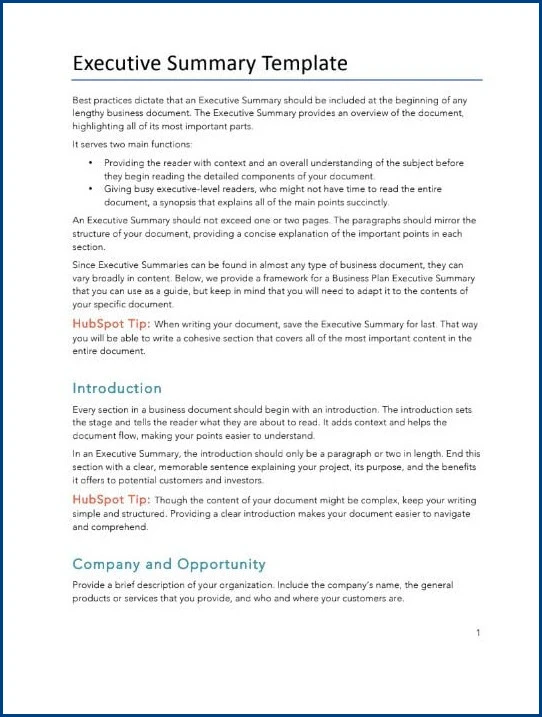
Tips for Crafting an Effective Executive Summary
1. Highlight the Main Points
Focus on presenting the most critical information, key findings, and recommendations in the executive summary. Highlighting the main points helps the reader quickly grasp the essence of the document without having to read every detail.
2. Keep It Succinct
Avoid including unnecessary details or extraneous information in the executive summary. Keep the summary concise and to the point, focusing on the essential insights that the reader needs to know.
3. Use Visuals Wisely
Incorporate visuals like charts, graphs, or images to enhance the clarity and impact of the executive summary. Visuals can help break up the text, convey complex information more effectively, and engage the reader visually.
4. Tailor to Audience
Customize the executive summary to resonate with the specific audience, particularly executives. Consider their preferences, knowledge level, and priorities when crafting the content to ensure relevance and engagement.
5. Include a Call to Action
End the executive summary with a strong call to action that prompts the reader to take the next steps based on the information presented. A clear and compelling call to action motivates executives to act on the insights provided.
6. Seek Feedback
Before finalizing the executive summary, seek feedback from colleagues, mentors, or trusted advisors. Their input can help identify areas for improvement, clarify any confusing points, and ensure that the summary effectively communicates the main ideas.
7. Review and Revise
After completing the executive summary, take the time to review and revise the content for clarity, accuracy, and professionalism. Editing helps refine the language, structure, and format of the summary to enhance readability and impact.
8. Test for Impact
Consider testing the executive summary with a small sample of readers to gauge its impact and effectiveness. Use their feedback to make any necessary adjustments and ensure that the summary resonates with the target audience.
9. Stay Focused
When writing an executive summary, stay focused on the main objectives and key points of the document. Avoid including irrelevant information or going off on tangents that may distract from the main message.
10. Be Professional
Maintain a professional tone and demeanor throughout the executive summary. Use formal language, proper grammar, and respectful communication to convey a sense of credibility and authority in your writing.
